Support our educational content for free when you purchase through links on our site. Learn more
Was Percy Fawcett Ever Found? 🕵️♂️ The Untold Truth (2025)

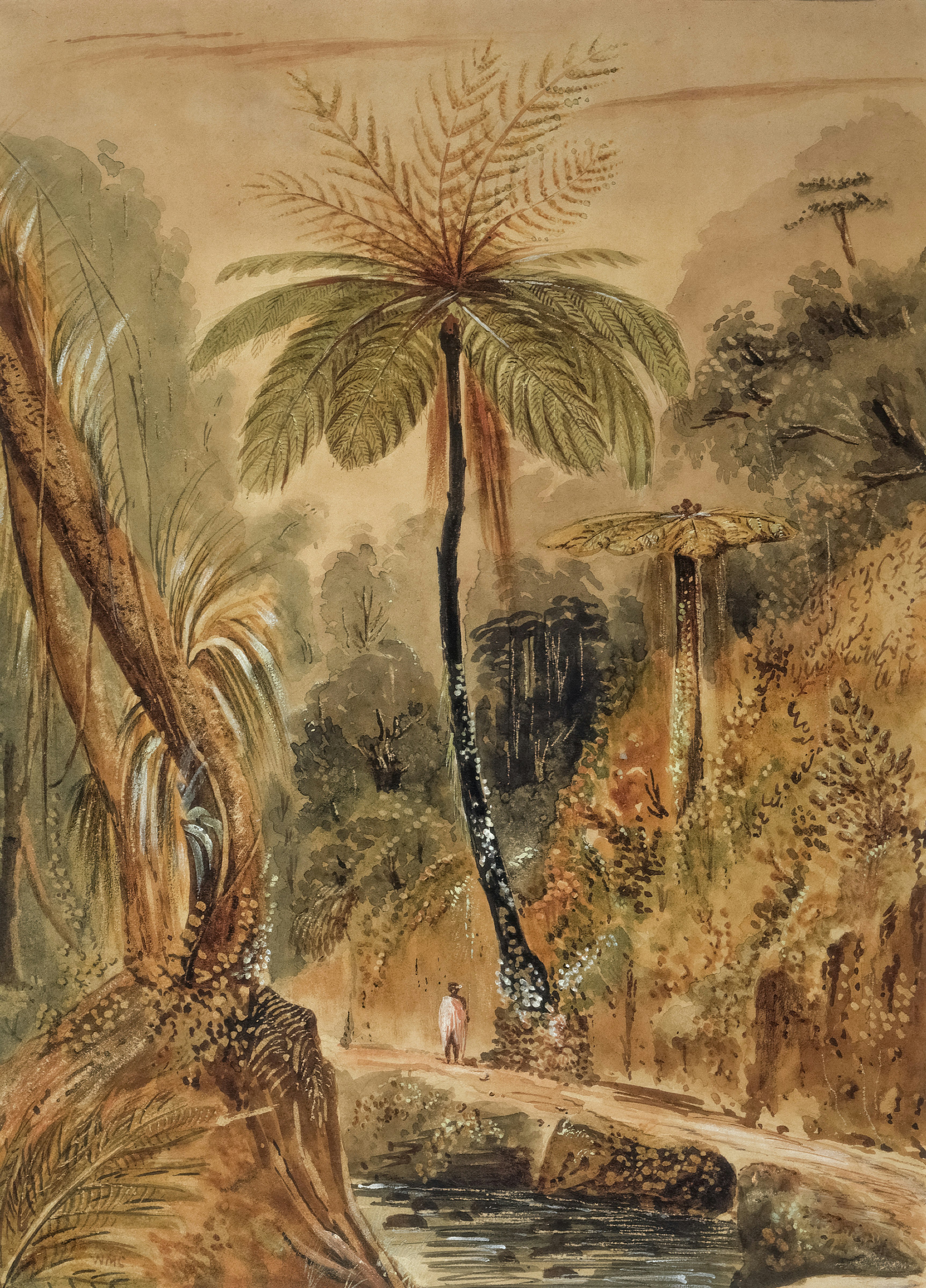
Imagine vanishing into the dense, unforgiving Amazon jungle almost a century ago — no trace, no farewell, just a whisper of a legend left behind. That’s exactly what happened to Percy Fawcett, the intrepid British explorer who set out in 1925 to find the mythical Lost City of Z and never returned. But was he ever found? Or does the jungle still guard his secrets?
In this article, we dive deep into the mystery surrounding Fawcett’s disappearance, exploring indigenous accounts, recovered artifacts, and modern scientific expeditions. We’ll unravel the most compelling theories, reveal how cutting-edge technology is reshaping the search, and show why Fawcett’s story continues to captivate explorers and historians alike. Plus, stick around for our curated list of books and documentaries that bring this enigmatic tale to life!
Key Takeaways
- Percy Fawcett disappeared in 1925 during his quest for the Lost City of Z, and despite numerous searches, he was never conclusively found.
- Indigenous oral histories and recovered artifacts provide clues but no definitive answers about his fate.
- Modern technology like LIDAR and DNA analysis is revolutionizing exploration but has yet to solve the mystery.
- Fawcett’s story has inspired books, films, and renewed archaeological interest in ancient Amazonian civilizations.
- For those eager to explore further, check out The Lost City of Z by David Grann and the 2016 film adaptation — both excellent gateways into this fascinating saga.
👉 Shop related titles on Amazon:
Table of Contents
- ⚡️ Quick Tips and Facts About Percy Fawcett’s Disappearance
- 🕵️♂️ The Mysterious Life and Expeditions of Percy Fawcett
- 🌿 The Search for the Lost City of Z: Fawcett’s Final Expedition
- ❓ Was Percy Fawcett Ever Found? Theories and Evidence
- 🧭 The Legacy of Percy Fawcett in Exploration and Popular Culture
- 📚 Books, Documentaries, and Films Inspired by Fawcett’s Story
- 🔍 How Modern Technology is Changing the Search for Lost Explorers
- 🗺️ Mapping the Amazon: Challenges Faced by Early 20th Century Explorers
- 🧳 What We Can Learn From Percy Fawcett’s Expeditions Today
- 🎯 Conclusion: The Enduring Mystery of Percy Fawcett’s Fate
- 🔗 Recommended Links for Further Exploration
- ❓ FAQ: Answering Your Burning Questions About Percy Fawcett
- 📖 Reference Links and Sources
⚡️ Quick Tips and Facts About Percy Fawcett’s Disappearance
Welcome to the jungle of facts and mysteries surrounding Percy Fawcett, the British explorer who vanished in the Amazon while hunting for the fabled Lost City of Z. At History Hidden™, we’ve pieced together the essentials to get you started on this captivating saga.
- Disappearance Date: May 29, 1925
- Last Known Location: Dead Horse Camp, Mato Grosso, Brazil
- Companions: Son Jack Fawcett and Raleigh Rimell
- Mission: To find the legendary Lost City of Z, believed to be an ancient Amazonian civilization
- Official Status: Declared lost by the Royal Geographical Society in 1927
- Items Found: Nameplate (1927), Theodolite (1933), Signet ring (1979)
- Main Theories: Killed by hostile tribes, died of natural causes, or chose to disappear intentionally
- Legacy: Inspired books, films, and renewed archaeological interest in Amazonian civilizations
Curious how these facts fit into the broader story? Stick with us as we unravel the layers of mystery, myth, and history! For a quick visual dive, check out the featured video that explores Fawcett’s strange and unsolved disappearance.
🕵️♂️ The Mysterious Life and Expeditions of Percy Fawcett
Before we plunge into the jungle, let’s get to know the man behind the legend. Percy Harrison Fawcett was no ordinary explorer — he was a cartographer, geographer, and military officer with a passion for uncovering hidden civilizations.
Early Life and Military Career
- Born in 1867 in England, Fawcett was trained at the Royal Military Academy, Woolwich.
- Served in the Royal Artillery and fought in World War I, earning the Distinguished Service Order.
- His early adventures included mapping uncharted territories in South America, where he developed a fascination with indigenous cultures and lost cities.
The Spark for Exploration
- Inspired by explorers like David Livingstone and Henry Morton Stanley, Fawcett was captivated by tales of El Dorado and ancient Amazonian civilizations.
- His belief in the existence of a sophisticated lost city, which he dubbed Z, was fueled by historical documents, indigenous legends, and the rediscovery of Machu Picchu in 1911.
Expeditions Overview
- Fawcett led multiple expeditions into the Amazon, often facing brutal terrain, tropical diseases, and hostile tribes.
- His 1924 expedition, which ended in his disappearance, was his most ambitious attempt to find Z.
- Known for his stamina and resilience, Fawcett was also criticized for his stubbornness and sometimes abrasive personality.
For a deeper dive into his life and expeditions, check out our detailed article on the Lost City of Z.
🌿 The Search for the Lost City of Z: Fawcett’s Final Expedition
Fawcett’s last journey is the stuff of legends — a perilous trek into the heart of the Amazon with only his son Jack and friend Raleigh Rimell for company.
The Route and Challenges
- The expedition began in Cuiabá, Brazil, on April 20, 1925.
- They hired native guides and pack animals but sent the guides back at Dead Horse Camp on May 29, choosing to venture into uncharted territory alone.
- The Amazon’s challenges were relentless: swarms of mosquitoes, treacherous rivers, and dense jungle that seemed to swallow them whole.
- Rimell suffered from tick bites causing a swollen foot, yet Fawcett pushed a grueling pace of 10-15 miles per day.
The Last Communication
- At Dead Horse Camp, Fawcett wrote a letter to his wife, reassuring her:
“Jack is well and fit and getting stronger every day. You need have no fear of any failure.” - After this, the trio disappeared without a trace.
The Aftermath
- No further messages were received.
- The Royal Geographical Society declared them lost in 1927.
- Numerous search parties ventured into the jungle, with many never returning themselves.
The final expedition remains one of the most haunting tales of exploration, blending hope, tragedy, and mystery.
❓ Was Percy Fawcett Ever Found? Theories and Evidence
The million-dollar question: Was Percy Fawcett ever found? The short answer: ❌ No definitive evidence has ever surfaced confirming his fate. But the story is far richer and more tangled than a simple yes or no.
1. Indigenous Accounts and Oral Histories
- Various indigenous tribes in the Mato Grosso region have passed down stories about Fawcett’s fate.
- The Kalapalo tribe, for example, recounted that Fawcett ignored warnings and entered the territory of a hostile tribe, leading to an ambush and death.
- Other accounts suggest Fawcett and his party may have been killed after a conflict or succumbed to illness and starvation.
- Some oral histories claim the explorers were killed by a local chief named Izarari, though these stories vary and lack concrete proof.
2. Archaeological Discoveries and Artifacts
| Artifact | Year Found | Location | Significance |
|---|---|---|---|
| Nameplate | 1927 | Near expedition area | Possibly given as a gift by indigenous people |
| Theodolite Compass | 1933 | Amazon jungle | Left behind before final journey |
| Signet Ring | 1979 | Pawnshop in Brazil | Suggests interaction with local traders or bandits |
- Despite these finds, none conclusively prove what happened to Fawcett or his companions.
- Skeletal remains once thought to be Fawcett’s were later disproven by scientific analysis.
3. Modern Expeditions and DNA Analysis
- Recent archaeological work has uncovered evidence of large, complex Amazonian settlements, lending credibility to Fawcett’s belief in Z.
- DNA and forensic studies have been inconclusive regarding remains linked to Fawcett.
- Modern explorers and researchers, including journalist David Grann, have retraced Fawcett’s route, interviewing indigenous people and piecing together clues.
- Theories range from death by natural causes, murder by hostile tribes, to intentional disappearance to establish a jungle commune.
The mystery remains unsolved, but each new expedition adds a piece to the puzzle.
🧭 The Legacy of Percy Fawcett in Exploration and Popular Culture
Fawcett’s disappearance didn’t just vanish into the jungle — it sparked a cultural phenomenon that endures today.
Influence on Exploration
- His expeditions inspired renewed interest in Amazonian archaeology, leading to discoveries of ancient civilizations like Kuhikugu.
- Fawcett’s meticulous mapping and ethnographic notes remain valuable to researchers.
Pop Culture Impact
- Arthur Conan Doyle’s The Lost World was inspired by Fawcett’s reports.
- The story of Fawcett’s disappearance has been retold in books, documentaries, and films, including the acclaimed movie The Lost City of Z (2016).
- His story embodies the archetype of the intrepid explorer — brave, obsessive, and ultimately tragic.
Want to see the mystery brought to life? Don’t miss the featured video that captures the essence of Fawcett’s strange, unsolved disappearance.
📚 Books, Documentaries, and Films Inspired by Fawcett’s Story
If you’re hungry for more, here’s a curated list of must-consume media that delve into Fawcett’s life and legend:
| Title | Type | Author/Director | Highlights |
|---|---|---|---|
| The Lost City of Z (book) | Book | David Grann | Investigative journalism retracing Fawcett’s steps |
| The Lost City of Z (film, 2016) | Film | James Gray | Dramatic retelling starring Charlie Hunnam |
| The Lost City of Z (documentary) | Documentary | Various | Explores archaeological findings and theories |
| Percy Fawcett: The Mystery of the Lost Explorer | Documentary | BBC | Focuses on disappearance and search efforts |
These works offer multiple perspectives — from scholarly to cinematic — enriching your understanding of the enigma.
🔍 How Modern Technology is Changing the Search for Lost Explorers
The jungle may be dense, but technology is cutting new paths through the mystery.
Tools and Techniques
- LIDAR (Light Detection and Ranging): Reveals hidden structures beneath dense canopy, uncovering ancient Amazonian cities.
- Satellite Imaging: Tracks terrain changes and possible expedition routes.
- DNA Analysis: Attempts to identify remains linked to missing explorers.
- Drones: Provide aerial reconnaissance in inaccessible areas.
Impact on Fawcett’s Mystery
- LIDAR has uncovered complex settlements near Mato Grosso, supporting Fawcett’s belief in Z.
- Despite advanced tech, no conclusive evidence of Fawcett’s fate has emerged, highlighting the jungle’s enduring secrets.
These innovations keep the hope alive that one day, the mystery will be solved.
🗺️ Mapping the Amazon: Challenges Faced by Early 20th Century Explorers
Imagine trekking through a living labyrinth with no GPS, no reliable maps, and the constant threat of disease and hostile encounters. That was Fawcett’s reality.
Key Challenges
- Dense Jungle: Thick foliage made navigation and communication nearly impossible.
- Wildlife and Disease: Mosquitoes, jaguars, malaria, and parasitic infections were constant dangers.
- Hostile Tribes: Some indigenous groups were wary or hostile to outsiders.
- Logistical Hurdles: Limited supplies, unreliable pack animals, and unpredictable weather.
Fawcett’s Approach
- Relied on indigenous guides initially but chose to proceed alone with trusted companions to avoid suspicion.
- Carried specialized equipment like a theodolite, sextant, and marine chronometer for navigation.
- Maintained a grueling pace, often pushing his team to extremes.
Understanding these challenges helps us appreciate the sheer audacity of Fawcett’s quest.
🧳 What We Can Learn From Percy Fawcett’s Expeditions Today
Fawcett’s story is more than a mystery; it’s a lesson in exploration, resilience, and the human spirit.
Lessons and Insights
- Respect for Indigenous Knowledge: Fawcett’s fate underscores the importance of understanding and respecting local cultures.
- Persistence and Curiosity: His relentless pursuit of Z reminds us of the power of curiosity and determination.
- The Limits of Human Endurance: The jungle tested physical and mental limits, highlighting the need for preparation and caution.
- The Value of Documentation: Fawcett’s detailed notes and maps continue to inform modern research.
Whether you’re an adventurer, historian, or armchair explorer, Fawcett’s journey invites reflection on the costs and rewards of discovery.
Ready to dive deeper? Explore our related categories on Folklore and Legends and Mythology Stories for more hidden histories and fascinating tales.
🎯 Conclusion: The Enduring Mystery of Percy Fawcett’s Fate
So, was Percy Fawcett ever found? Despite decades of searching, numerous expeditions, and tantalizing clues, the answer remains a resounding no. The jungle has kept its secrets well, and Fawcett’s ultimate fate is still shrouded in mystery. From indigenous oral histories to recovered artifacts, from modern archaeological discoveries to cutting-edge technology, every piece adds depth but no definitive closure.
What we do know is that Fawcett’s disappearance sparked a legacy far beyond his own lifetime. His belief in the Lost City of Z, once dismissed as fanciful, now finds support in archaeological findings of complex Amazonian civilizations. His story reminds us that exploration is as much about the journey and the questions we ask as it is about the answers we find.
For those who wonder if Fawcett’s story ended in tragedy or transcendence, the jungle whispers both possibilities. Whether he met a violent end, succumbed to the unforgiving environment, or chose a mysterious new life among the tribes, his legend lives on — inspiring adventurers, historians, and dreamers alike.
🔗 Recommended Links for Further Exploration
Hungry for more? Here are some essential reads and resources to dive deeper into the mystery of Percy Fawcett and the Lost City of Z:
-
The Lost City of Z by David Grann (Amazon):
Amazon Link
A riveting investigative journey retracing Fawcett’s footsteps. -
The Lost City of Z (2016 Film) – Available on major streaming platforms:
Search on Amazon -
BBC Documentary: Percy Fawcett: The Mystery of the Lost Explorer
BBC Official Site -
Books on Amazon related to Amazonian archaeology and exploration:
- Ancient Amazon by Michael Heckenberger
- Explorers of the Amazon by various authors
❓ FAQ: Answering Your Burning Questions About Percy Fawcett
What happened to Percy Fawcett in the Amazon?
Percy Fawcett disappeared in May 1925 during an expedition to find the Lost City of Z. The exact circumstances are unknown, but theories include death by hostile tribes, illness, starvation, or intentional disappearance. Despite extensive searches, no conclusive evidence of his fate has been found.
Was Percy Fawcett’s disappearance ever solved?
No, Fawcett’s disappearance remains one of the great unsolved mysteries of exploration. While artifacts linked to his expedition have been recovered, none provide definitive answers. Indigenous oral histories and modern research offer clues but no conclusive proof.
What were Percy Fawcett’s last known whereabouts?
Fawcett’s last confirmed location was Dead Horse Camp in Mato Grosso, Brazil, on May 29, 1925. From there, he and his two companions ventured into uncharted jungle territory, after dismissing their guides.
Did Percy Fawcett’s family ever find out what happened to him?
Fawcett’s family never received definitive news. His wife, Nina, held hope for years, but the Royal Geographical Society officially declared him lost in 1927. Some family members accepted various theories, but no conclusive closure was ever reached.
What were the circumstances surrounding Percy Fawcett’s disappearance?
Fawcett chose to proceed with only his son and a trusted friend into dangerous, unexplored jungle. The expedition faced harsh environmental conditions, potential hostility from indigenous tribes, and logistical challenges. Fawcett’s decision to send guides away before entering unknown territory increased the risks.
Are there any theories about what happened to Percy Fawcett?
Yes, multiple theories exist:
- Killed by hostile indigenous tribes after ignoring warnings.
- Died from disease, starvation, or exhaustion in the jungle.
- Murdered by bandits, evidenced by the discovery of his signet ring in a pawnshop.
- Voluntarily disappeared to live in isolation or establish a commune based on Theosophy.
- Lost and perished while searching for the Lost City of Z.
Were there any expeditions to find Percy Fawcett after he went missing?
Absolutely. Starting in 1928, numerous expeditions attempted to find Fawcett or his remains. Many searchers faced the same dangers and some perished themselves. Modern expeditions continue to explore the Amazon, using advanced technology to uncover clues about Fawcett’s fate and the civilizations he sought.
📖 Reference Links and Sources
For verification and further research, here are some reputable sources:
- Percy Fawcett – Wikipedia
- History Today: The Lost City of Z
- History.com: Explorer Percy Fawcett Disappears in the Amazon
- Royal Geographical Society
- BBC Documentary on Percy Fawcett
- David Grann’s Official Website
👉 CHECK PRICE on:
- The Lost City of Z by David Grann: Amazon | Barnes & Noble
- The Lost City of Z (2016 Film): Amazon | iTunes
Dive into these resources and keep the spirit of exploration alive! 🌿🧭