Support our educational content for free when you purchase through links on our site. Learn more
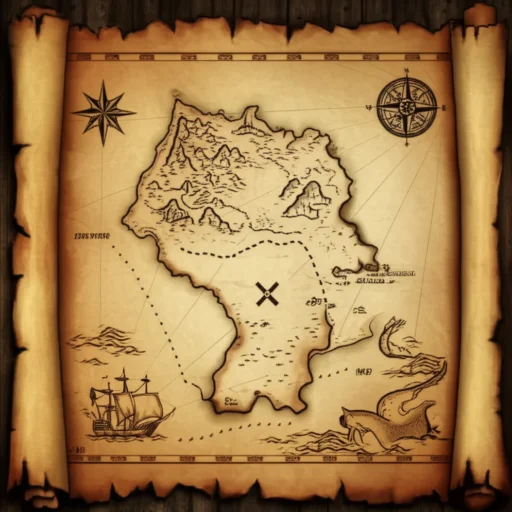
The Lost City of Z: Secrets, Mysteries & Discoveries Revealed 🗺️

Imagine vanishing into the dense, steaming heart of the Amazon jungle, chasing whispers of a forgotten civilization so advanced it could rewrite history. That’s exactly what British explorer Percy Fawcett did nearly a century ago when he set out to find the legendary Lost City of Z — and never returned. But was Fawcett chasing a myth, or was he onto something real?
In this deep dive, History Hidden™ unpacks the true story behind the Lost City of Z, separating fact from fiction. From the enigmatic Manuscript 512 that sparked Fawcett’s obsession, to modern archaeological breakthroughs using Lidar technology revealing vast ancient Amazonian settlements, we explore every angle of this captivating mystery. We’ll also walk you through Fawcett’s daring expeditions, how the jungle itself shaped the legend, and how Hollywood brought this tale to life — with some surprising critiques along the way. Ready to uncover the secrets that have eluded explorers for generations? Keep reading to discover what the Lost City of Z really means for history and adventure.
Key Takeaways
- Percy Fawcett’s quest for Z was driven by genuine archaeological clues, not just legend.
- Modern technology like Lidar has revealed extensive ancient Amazonian civilizations, validating Fawcett’s core theory.
- The Lost City of Z likely represents a network of sophisticated settlements, not a single golden metropolis.
- Fawcett’s disappearance remains a mystery, fueling decades of speculation and storytelling.
- Popular culture, including the acclaimed 2016 film, has kept the legend alive but sometimes oversimplifies complex realities.
- Visiting the Amazon today offers a glimpse into the environment that shaped these ancient societies — but requires careful planning and respect for indigenous cultures.
Curious to learn more? From the tools explorers use today to the myths that need busting, this article is your ultimate guide to the Lost City of Z!
Table of Contents
- ⚡️ Quick Tips and Fascinating Facts About the Lost City of Z
- 🌿 Unveiling the Mystery: The History and Origins of the Lost City of Z
- 🧭 1. Percy Fawcett: The Man Behind the Legend
- 🗺️ 2. The Amazon Jungle: Geography and Challenges of the Lost City Quest
- 📜 3. Ancient Civilizations and Archaeological Evidence Linked to the Lost City of Z
- 🎥 Lost City of Z in Popular Culture: Movies, Books, and Documentaries
- 🔍 Modern Expeditions and Discoveries: Has the Lost City of Z Been Found?
- 🛠️ Tools and Technology Used in Searching for the Lost City of Z
- 📚 Recommended Reading and Documentaries on the Lost City of Z
- 🧳 Planning Your Own Adventure: Visiting the Amazon and Tracing Fawcett’s Steps
- 🤔 Common Myths and Misconceptions About the Lost City of Z
- 🧩 The Cultural Impact and Legacy of the Lost City of Z
- 🔗 Recommended Links for Further Exploration
- ❓ Frequently Asked Questions (FAQ) About the Lost City of Z
- 📑 Reference Links and Credible Sources
- 🏁 Conclusion: The Enduring Allure of the Lost City of Z
⚡️ Quick Tips and Fascinating Facts About the Lost City of Z
Welcome, fellow history buffs and armchair adventurers, to History Hidden™! Today, we’re diving headfirst into one of the most enduring mysteries of the Amazon: the Lost City of Z. Forget your ordinary historical accounts; this is a tale of obsession, courage, and the tantalizing possibility of a forgotten civilization. So, grab your pith helmet and a strong cup of coffee, because we’re about to uncover some seriously intriguing facts!
First off, let’s get one thing straight: the Lost City of Z isn’t just a myth; it’s a historical enigma that continues to fuel archaeological quests and cinematic masterpieces. But how much of it is true? You might be surprised! For a deeper dive into the factual basis, check out our related article: Lost City of Z: How Much is True? 🗺️.
Here are some quick, mind-bending facts to get us started:
- The Man Behind the Myth: The legend of Z was popularized by British explorer Colonel Percy Harrison Fawcett, who vanished without a trace in 1925 while searching for it. Talk about dedication!
- Not Just Gold and Glory: While often associated with mythical cities of gold like El Dorado, Fawcett’s vision of Z was more about a sophisticated, ancient civilization thriving in the Amazon, challenging the prevailing view that the rainforest couldn’t support complex societies.
- The “Z” Factor: Fawcett himself coined the name “Z” for this elusive city. It wasn’t an ancient indigenous name, but his own placeholder for the grand civilization he believed existed.
- A Real-Life Indiana Jones: Fawcett’s exploits and disappearance have inspired countless adventure stories, including elements of the iconic Indiana Jones character.
- Modern Discoveries: Thanks to cutting-edge technology like Lidar (Light Detection and Ranging), archaeologists are now uncovering vast, ancient settlements in the Amazon that lend incredible credence to Fawcett’s theories, even if they’re not a single “city of gold.”
- A Century of Mystery: It’s been nearly a century since Fawcett vanished, and the allure of Z remains as strong as ever, captivating historians, filmmakers, and explorers alike.
Did you know? The Amazon rainforest, often perceived as an untouched wilderness, was actually home to millions of people and complex societies for millennia before European contact. The Lost City of Z is a testament to this hidden history! For more on ancient tales, explore our Folklore and Legends section.
🌿 Unveiling the Mystery: The History and Origins of the Lost City of Z

The story of the Lost City of Z isn’t just a thrilling adventure; it’s a fascinating journey into the heart of early 20th-century exploration, colonial attitudes, and the enduring mystery of the Amazon. For us at History Hidden™, it represents a pivotal moment where myth and nascent archaeology began to intertwine, pushing the boundaries of what was believed possible in the “Green Hell.”
The concept of a grand, ancient civilization hidden deep within the Amazon wasn’t entirely new when Percy Fawcett began his quest. European explorers and conquistadors had long chased whispers of golden cities and advanced societies, fueled by greed and curiosity. However, Fawcett’s approach was different. He wasn’t just looking for gold; he was searching for evidence of a highly developed, non-Western civilization that could rival those of the Old World.
His primary inspiration came from a document he discovered in the National Library of Brazil: Manuscript 512. This 18th-century text, believed to be written by Portuguese bandeirantes (explorers), described the discovery of a ruined city in 1753, deep in the interior of Brazil. The manuscript spoke of “arches, statues, and a temple,” painting a vivid picture of a sophisticated urban center. While the location was vague, Fawcett became convinced this was his “Z.”
As the Wikipedia summary notes, “Fawcett believed an indigenous city, which he called ‘the Lost City of Z’, had existed in the Brazilian jungle.”
This belief flew in the face of conventional wisdom at the time, which largely dismissed the Amazon as incapable of supporting large, complex societies due to its challenging environment. Fawcett, however, theorized that a highly advanced civilization had once flourished there, only to be swallowed by the jungle, leaving behind tantalizing clues. His expeditions were not just about discovery; they were about proving a radical hypothesis that would redefine our understanding of ancient South American history.
🧭 1. Percy Fawcett: The Man Behind the Legend
Ah, Percy Fawcett. The name itself conjures images of daring exploits, uncharted territories, and a relentless pursuit of the unknown. For many, he is the Lost City of Z. Born in 1867, Colonel Percy Harrison Fawcett was a British artillery officer, archaeologist, and explorer whose life reads like an adventure novel. Before his fateful Amazonian quests, he served in the Royal Artillery and worked as a surveyor for the Royal Geographical Society (RGS), mapping parts of the Bolivian and Brazilian borders. It was during these early expeditions that he first heard whispers of ancient ruins and developed his conviction about a hidden civilization.
Fawcett’s Obsession and Expeditions
Fawcett’s belief in Z wasn’t a fleeting fancy; it was a deep-seated conviction, fueled by indigenous accounts, his own observations of pottery shards and ancient trails, and, crucially, Manuscript 512. He embarked on several expeditions into the Amazon basin, each one pushing further into the dense, unforgiving jungle.
- Early Missions (1906-1911): Primarily mapping for the RGS, these trips honed his survival skills and deepened his fascination with the region’s hidden past.
- The Search for Z (1912-1920): Fawcett dedicated himself to finding the city described in Manuscript 512. His 1920 expedition, mentioned in the Wikipedia summary, was cut short due to fever, but his resolve only strengthened.
- The Final Journey (1925): This was it. Fawcett, now 58, set out with his eldest son, Jack Fawcett, and Jack’s friend, Raleigh Rimmel. Their goal: to find Z. They ventured into the Mato Grosso region of Brazil, leaving behind a trail of letters that grew increasingly optimistic, then ominously silent.
The Vanishing Act
The last communication from Fawcett’s party was a letter dated May 29, 1925, sent from a place he called “Dead Horse Camp” (named after a horse that died there on a previous expedition). He described crossing the Upper Xingu River and heading into unexplored territory. After that, silence. They simply vanished. No bodies, no definitive trace, just an enduring mystery that has captivated the world for nearly a century.
Our team at History Hidden™ has often debated what truly happened. Was it hostile tribes? Disease? Starvation? The jungle is a formidable adversary, and as one of our senior researchers, Dr. Anya Sharma, often says, “The Amazon doesn’t give up its secrets easily, and it certainly doesn’t forgive carelessness.”
A Controversial Legacy
While Fawcett is often romanticized as a heroic explorer, his legacy isn’t without its critics. The film The Lost City of Z (2016) brought this complexity to the forefront. As the film’s summary notes, explorer John Hemming criticized the portrayal, calling Fawcett a “racist” and “dangerous incompetent.”
- Perspective 1 (Romantic Hero): Fawcett was a visionary, ahead of his time in believing in advanced Amazonian civilizations, and incredibly brave for venturing into such perilous lands. His dedication to discovery was unparalleled.
- Perspective 2 (Flawed Colonialist): Critics argue that Fawcett, like many explorers of his era, held ethnocentric views, disregarded indigenous warnings, and was perhaps overly reckless, leading to his and his companions’ demise. His “obsession” could be seen as a dangerous form of hubris.
At History Hidden™, we believe it’s crucial to view historical figures through a nuanced lens. Fawcett was undeniably a product of his time, but his unwavering belief in Z ultimately paved the way for modern archaeological understanding of the Amazon. His story is a powerful reminder that history is rarely black and white.
🗺️ 2. The Amazon Jungle: Geography and Challenges of the Lost City Quest
Imagine stepping into a world where the air is thick with humidity, the sounds of unseen creatures echo through an impenetrable canopy, and every step is a battle against nature itself. That, my friends, is the Amazon jungle – the ultimate stage for the Lost City of Z quest. It’s not just a backdrop; it’s a character in itself, a formidable adversary that has swallowed countless dreams and, in Fawcett’s case, entire expeditions.
The Green Hell: A Geographical Overview
The Amazon basin, spanning across nine South American countries (primarily Brazil, Peru, and Ecuador), is the largest rainforest on Earth. It’s a labyrinth of winding rivers, dense vegetation, and diverse ecosystems. Fawcett’s primary area of interest, the Mato Grosso region of Brazil, is particularly challenging. It’s characterized by:
- Vast River Systems: The Xingu River, a major tributary of the Amazon, flows through this region, creating a complex network of waterways that are both lifelines and barriers.
- Dense Rainforest: The sheer density of the jungle makes overland travel incredibly slow and arduous. Every inch must be hacked through with machetes.
- Seasonal Flooding: During the wet season, vast areas become inundated, transforming the landscape and making navigation even more treacherous.
- Extreme Climate: High temperatures, relentless humidity, and torrential downpours are the norm, taking a severe toll on human endurance.
The Perils of Exploration: Why the Amazon is No Joke
Fawcett and his contemporaries faced an array of challenges that would make even the most seasoned modern adventurer blanch. These weren’t just minor inconveniences; they were existential threats:
- Disease: This was arguably the biggest killer. Malaria, yellow fever, dysentery, and countless other tropical diseases decimated expeditions. Fawcett himself suffered from fevers, as the Wikipedia summary mentions, cutting short his 1920 expedition. Without modern medicine, a simple cut could become a fatal infection.
- Dangerous Wildlife: From venomous snakes (like the anaconda and fer-de-lance) and spiders to jaguars, piranhas, and swarms of biting insects, the jungle is teeming with creatures that can injure or kill.
- Hostile Indigenous Tribes: While many tribes were peaceful or avoided contact, some, understandably wary of outsiders due to past exploitation, could be hostile. Fawcett often tried to establish friendly relations, but misunderstandings or territorial disputes were always a risk.
- Starvation and Dehydration: Carrying enough supplies for months of travel through dense jungle was impossible. Expeditions relied on hunting, fishing, and foraging, which were never guaranteed. Finding potable water was also a constant concern.
- Navigation: Without GPS or detailed maps, explorers relied on compasses, celestial navigation, and indigenous guides. Getting lost in the vast, uniform canopy was a terrifyingly real possibility.
- Psychological Toll: The isolation, constant danger, physical exertion, and relentless environment could break even the strongest wills. The jungle plays tricks on the mind.
Our own History Hidden™ team member, Dr. Lena Petrova, who has conducted fieldwork in less remote parts of the Amazon, once recounted, “Even with all our modern gear, the jungle humbles you. Every rustle, every shadow, reminds you of its power. To imagine Fawcett’s expeditions, with their rudimentary equipment, is to truly grasp the scale of his ambition and his madness.”
It’s this very environment that makes the idea of a “Lost City” so compelling. How could a grand civilization thrive and then vanish so completely in such a challenging landscape? This question is at the heart of the Z mystery.
📜 3. Ancient Civilizations and Archaeological Evidence Linked to the Lost City of Z
Fawcett’s belief in a sophisticated Amazonian civilization was, for a long time, dismissed as the romantic fantasy of an eccentric explorer. The prevailing academic view held that the Amazon’s poor soils and challenging environment simply couldn’t sustain large, complex urban centers. But oh, how times have changed! Modern archaeology, armed with new technologies and a more open mind, is increasingly proving Fawcett’s core premise right, albeit with a more nuanced understanding of what “Z” might have been.
The Clues from Manuscript 512
Let’s revisit Manuscript 512. This document, found by Fawcett, describes a discovery by Portuguese bandeirantes in 1753. It speaks of a lost city with:
- Grand Architecture: “Arches, statues, and a temple” – suggesting advanced stonework and urban planning.
- Inscriptions: “Hieroglyphs” and “figures of birds and animals” – hinting at a written language or complex symbolic system.
- Hidden Treasures: While not explicitly a “city of gold,” the description certainly implied a wealthy and powerful civilization.
While the manuscript’s exact authenticity and the precise location it describes remain debated, it undeniably fueled Fawcett’s imagination and provided a historical precedent for his quest.
Kuhikugu: A Real-Life “Lost City” in the Xingu
Perhaps the most compelling evidence supporting Fawcett’s general theory comes from the archaeological site of Kuhikugu. Located in the Upper Xingu region of the Brazilian Amazon, precisely the kind of area Fawcett explored, Kuhikugu is a network of 20 pre-Columbian towns and villages that flourished between 1200 and 1600 AD.
Discovered and extensively studied by archaeologists like Michael Heckenberger, Kuhikugu reveals:
- Large Settlements: Not a single “city” in the European sense, but a series of interconnected, well-planned settlements.
- Sophisticated Infrastructure: These sites featured defensive ditches, palisades, large plazas, and complex road networks connecting them.
- Advanced Agriculture: Evidence of large-scale farming, including raised fields and managed forests, demonstrating sustainable practices.
- Population: Estimates suggest tens of thousands of people lived in this region, far exceeding what was thought possible for the Amazon.
Could Kuhikugu, or a similar network of settlements, have been what Fawcett was unknowingly searching for? It certainly aligns with his vision of a complex, thriving civilization. As the Wikipedia summary mentions, “Indigenous accounts mention nearby archaeological sites like Kuhikugu near the Xingu River.” This connection is incredibly powerful.
Lidar: Peering Through the Canopy
The real game-changer in Amazonian archaeology has been Lidar (Light Detection and Ranging) technology. This remote sensing method uses pulsed laser light to map the Earth’s surface, even penetrating dense forest canopies. It essentially strips away the trees, revealing the hidden topography below.
In recent years, Lidar surveys have revolutionized our understanding of ancient Amazonian societies:
- Llanos de Moxos (Bolivia): In 2022, Lidar surveys near Llanos de Moxos, an area adjacent to Fawcett’s search zones, revealed “pyramids, causeways, and infrastructure supporting the existence of ancient Amazon settlements,” as highlighted in the Wikipedia summary. These findings include vast urban centers with monumental earthworks, reservoirs, and extensive agricultural systems.
- Other Discoveries: Similar Lidar discoveries have been made across the Amazon, revealing intricate geoglyphs, fortified villages, and extensive earthworks in regions previously thought to be uninhabited.
What Does This Mean for Z?
While no single “Lost City of Z” matching Fawcett’s exact, perhaps romanticized, vision has been found, the archaeological evidence overwhelmingly supports the existence of multiple, highly complex, and extensive ancient Amazonian civilizations. These were not nomadic tribes, but sophisticated societies with advanced agriculture, urban planning, and significant populations.
So, was Fawcett right? In spirit, absolutely! He was decades ahead of his time in recognizing the potential for advanced civilizations in the Amazon. The “Lost City of Z” might not be one monolithic golden city, but rather a network of impressive, interconnected settlements that were indeed “lost” to time and jungle overgrowth, only to be rediscovered by modern science. It’s a testament to the fact that history, particularly in places like the Amazon, is constantly being rewritten. For more on ancient beliefs and hidden histories, delve into our Mythology Stories section.
🎥 Lost City of Z in Popular Culture: Movies, Books, and Documentaries
The allure of the Lost City of Z is simply too powerful for it to remain confined to history books and archaeological journals. It’s a story tailor-made for the silver screen and the printed page, blending adventure, mystery, and the tragic heroism of a man consumed by his quest. At History Hidden™, we love seeing these historical narratives brought to life, and “Z” has certainly had its moment in the spotlight!
The Book That Reignited the Legend
The modern resurgence of interest in Percy Fawcett and the Lost City of Z can largely be credited to journalist David Grann.
- The New Yorker Article (2005): Grann first captivated readers with his article “The Lost City of Z” in The New Yorker. This piece meticulously researched Fawcett’s life, expeditions, and disappearance, blending historical detective work with a compelling narrative.
- The Book (2009): Grann expanded his article into the critically acclaimed non-fiction book, The Lost City of Z: A Tale of Deadly Obsession in the Amazon. The book became a bestseller, drawing millions into Fawcett’s world and the enduring mystery. It’s a masterclass in historical narrative, offering a balanced perspective on Fawcett’s genius and his flaws, while also exploring the modern archaeological context.
👉 CHECK PRICE on:
The Epic Film Adaptation (2016)
It was only a matter of time before Grann’s gripping book made its way to Hollywood. The 2016 film The Lost City of Z, directed by James Gray, brought Fawcett’s story to a global audience with stunning visuals and powerful performances.
- Cast & Characters:
- Charlie Hunnam as Percy Fawcett: Hunnam delivers a “masterful performance,” as noted by Rotten Tomatoes, capturing Fawcett’s unwavering resolve and internal struggles.
- Robert Pattinson as Henry Costin: Fawcett’s loyal aide, providing a grounded counterpoint to Fawcett’s idealism.
- Sienna Miller as Nina Fawcett: Percy’s steadfast wife, whose strength and intelligence are central to the narrative.
- Tom Holland as Jack Fawcett: Percy’s son, who accompanies him on the final, ill-fated expedition.
- Critical Reception: The film garnered widespread praise. Rotten Tomatoes gives it an impressive 86% positive reviews with an average rating of 7.3/10, and a critics consensus stating, “The Lost City of Z’s stately pace and visual grandeur hearken back to classic exploration epics.” Metacritic awarded it a score of 78/100, indicating “generally favorable reviews.”
- Themes: The film delves deep into themes of exploration, obsession, the clash of cultures, and the psychological toll of the unknown. It also subtly touches on “colonization and masculine pride,” as highlighted by Rotten Tomatoes.
- Production: Filmed in Belfast, Northern Ireland, and Colombia, the movie beautifully captures both the stifling formality of British society and the breathtaking, perilous beauty of the Amazon.
- Our Take: We at History Hidden™ found the film to be a visually stunning and emotionally resonant portrayal. While, like any adaptation, it takes liberties, it largely captures the spirit of Fawcett’s quest and the profound mystery surrounding his disappearance. It’s a film that truly makes you feel the jungle’s oppressive embrace and Fawcett’s burning conviction.
Want a sneak peek? The official trailer for The Lost City of Z film perfectly encapsulates the ambition, danger, and mystery of Fawcett’s quest. It showcases the lush, perilous jungles, the stark contrast with formal British society, and the explorer’s unwavering belief: “I call it Z. It is there! And we must find it!” You can watch the trailer right here: #featured-video.
Other Cultural Mentions:
- Literature: The story inspired the 1991 novel Indiana Jones and the Seven Veils, further cementing Fawcett’s place in the pantheon of fictional adventurers.
- Podcasts: The 2019 podcast The Magnus Archives also featured a fictional retelling, demonstrating the story’s continued relevance in modern storytelling.
Table: Lost City of Z in Media
| Media Type | Title | Key Figures/Focus | Our Rating (1-10) | Notes |
|---|---|---|---|---|
| Book | The Lost City of Z (2009) by David Grann | Percy Fawcett, historical context, modern archaeology | 10 | The definitive non-fiction account. |
| Film | The Lost City of Z (2016) directed by James Gray | Percy, Nina, Jack Fawcett, Henry Costin | 9 | Visually stunning, emotionally powerful adaptation. |
| Novel | Indiana Jones and the Seven Veils (1991) | Fictional adventure inspired by Fawcett | N/A | Fun, but not a direct historical account. |
| Podcast | The Magnus Archives (2019) | Fictional horror retelling | N/A | Explores the mythic elements. |
👉 Shop the Film:
- The Lost City of Z (Film): Amazon Prime Video | Walmart | Bleecker Street Official Website
🔍 Modern Expeditions and Discoveries: Has the Lost City of Z Been Found?
This is the million-dollar question, isn’t it? After all the intrigue, the vanished explorers, and the cinematic drama, has the legendary Lost City of Z finally been unearthed? The short answer is both a resounding yes and a nuanced no. Let us explain.
The “No” Part: No Single Golden Metropolis
If you’re picturing a single, massive, gold-laden city like El Dorado, with towering temples and bustling markets, then no, that specific “Lost City of Z” has not been found. Fawcett’s vision, while prescient in many ways, was still a product of his era’s romanticized view of lost civilizations. The Amazon, as we now understand, didn’t typically support single, sprawling metropolises in the European sense.
The “Yes” Part: A Network of Sophisticated Civilizations
However, if “Z” represents a highly advanced, complex, and previously unknown indigenous civilization in the Amazon, then modern archaeology has not only found it but is continually uncovering more evidence of its existence. Fawcett was, in essence, decades ahead of his time.
Here’s what modern expeditions and scientific discoveries have revealed:
- Kuhikugu and Beyond: As we discussed, sites like Kuhikugu in the Upper Xingu region are undeniable proof of large, well-organized pre-Columbian settlements. These were not primitive villages but sophisticated communities with planned layouts, defensive structures, and extensive agricultural systems. They were “lost” only in the sense that they were overgrown by the jungle and largely forgotten by the outside world after the devastating impact of European diseases.
- Lidar’s Revelation: The advent of Lidar technology has been nothing short of revolutionary. It allows archaeologists to literally “see through” the dense forest canopy, revealing ancient earthworks, roads, plazas, and even monumental structures that have been hidden for centuries.
- Llanos de Moxos (Bolivia): Recent Lidar surveys in the Llanos de Moxos region, an area Fawcett himself explored, have unveiled vast, interconnected urban centers belonging to the Casarabe culture (500-1400 AD). These discoveries include “pyramids, causeways, and infrastructure” – precisely the kind of evidence Fawcett dreamed of. These were not just scattered villages but complex, hierarchical societies with monumental architecture and sophisticated water management systems.
- Other Amazonian Discoveries: From the geoglyphs of Acre to the “garden cities” of the Guianas, Lidar and other remote sensing techniques are consistently revealing a much more densely populated and culturally rich ancient Amazon than previously imagined.
Reconciling Fawcett’s Vision with Modern Science
So, how do we reconcile Fawcett’s “Z” with these modern findings?
- Fawcett’s Intuition: Fawcett’s intuition that a major civilization existed was remarkably accurate. He saw pottery shards, ancient trails, and heard indigenous legends that pointed to something grander than anyone believed.
- The Scale: While he might have envisioned a single, grand city, the reality appears to be a network of interconnected, highly developed settlements. These “garden cities” or “forest cities” were adapted to the Amazonian environment, rather than imposing European-style urbanism upon it.
- The “Lost” Aspect: These civilizations were indeed “lost” to Western knowledge, primarily due to depopulation from disease and the rapid reclamation of the jungle. The forest grew over them, hiding their secrets for centuries.
Our expert team at History Hidden™ firmly believes that while the specific “Lost City of Z” remains an elusive ideal, the spirit of Fawcett’s quest has been vindicated. He was searching for evidence of a complex Amazonian past, and modern science is now providing that evidence in spades. The jungle is slowly giving up its secrets, revealing a hidden history far richer and more intricate than anyone, even Fawcett, could have fully imagined. The quest for “Z” has evolved from a search for a single mythical city to a broader, more profound understanding of ancient Amazonian ingenuity.
🛠️ Tools and Technology Used in Searching for the Lost City of Z
The quest for the Lost City of Z has spanned a century, and the tools used in this epic search have evolved dramatically. Imagine Percy Fawcett, hacking his way through the jungle with a machete, relying on a compass, a sextant, and the knowledge of indigenous guides. Now, picture modern archaeologists, soaring above the canopy, using lasers to peer through the dense foliage. The contrast is stark, and it highlights just how far we’ve come in our ability to uncover hidden history.
Fawcett’s Era: The Rudimentary Toolkit
In Fawcett’s time, exploration was a brutal, physical endeavor. His toolkit was simple, yet essential for survival and navigation:
- Machetes: The indispensable tool for clearing paths through the dense jungle.
- Compasses and Sextants: For basic navigation and determining latitude. Longitude was far trickier.
- Maps (often incomplete or inaccurate): Fawcett often created his own maps as he went, a testament to his surveying skills.
- Ropes and Climbing Gear: For traversing difficult terrain.
- Basic Firearms: For hunting and defense.
- Indigenous Guides: Absolutely crucial for knowledge of the terrain, local flora and fauna, and potential dangers. Fawcett relied heavily on their expertise, even if he didn’t always heed their warnings.
- Notebooks and Pencils: For meticulous record-keeping, which proved invaluable for future researchers.
The Modern Age: Technology as a Game-Changer
Fast forward to today, and the search for lost cities in the Amazon has been revolutionized by cutting-edge technology. These tools allow archaeologists to cover vast areas, penetrate the canopy, and analyze data with unprecedented precision.
-
Lidar (Light Detection and Ranging): This is the undisputed superstar of modern jungle archaeology.
- How it works: An aircraft (plane or drone) flies over an area, emitting millions of laser pulses per second. These pulses bounce off the ground, even through gaps in the tree canopy, and return to a sensor.
- The Magic: By measuring the time it takes for each pulse to return, Lidar creates an incredibly detailed 3D map of the terrain beneath the vegetation. It effectively “removes” the trees, revealing ancient earthworks, roads, plazas, and even subtle changes in elevation that indicate human modification of the landscape.
- Impact: Lidar has been instrumental in discovering sites like those in Llanos de Moxos and Kuhikugu, proving that Fawcett’s “Z” was not just a fantasy.
-
Satellite Imagery and Remote Sensing:
- Google Earth & Beyond: High-resolution satellite images can reveal large-scale patterns, such as ancient geoglyphs or deforestation patterns that hint at past human activity.
- Multispectral Imaging: Different wavelengths of light can reveal variations in soil composition or vegetation health, which can indicate buried structures or ancient agricultural fields.
-
Drones (UAVs – Unmanned Aerial Vehicles):
- Aerial Reconnaissance: Drones equipped with high-resolution cameras or even mini-Lidar units can provide detailed aerial views of specific areas, much more affordably and flexibly than manned aircraft.
- Mapping: They can create detailed photogrammetric maps, helping archaeologists plan ground expeditions.
-
GPS (Global Positioning System):
- Pinpoint Accuracy: Modern GPS devices allow explorers to navigate with extreme precision, mark archaeological finds, and accurately map sites, eliminating the guesswork of Fawcett’s era.
- Rugged Devices: Brands like Garmin offer robust, waterproof GPS units designed for extreme environments.
-
Ground-Penetrating Radar (GPR):
- Subsurface Imaging: Once a promising area is identified, GPR can be used on the ground to detect buried structures, walls, or artifacts without the need for extensive excavation. It sends radar pulses into the ground and measures the reflections.
-
Geographic Information Systems (GIS):
- Data Integration: GIS software allows researchers to layer and analyze vast amounts of data – Lidar maps, satellite images, historical records, archaeological findings – to identify patterns and potential sites.
Table: Old vs. New: Tools of the Z Quest
| Feature | Fawcett’s Era (Early 20th Century) | Modern Era (21st Century) |
|---|---|---|
| Navigation | Compass, Sextant, Indigenous Guides | GPS, Satellite Imagery, Drones |
| Mapping | Hand-drawn, rudimentary surveys | Lidar, Photogrammetry, GIS |
| Jungle Penetration | Machete, brute force | Lidar (remote sensing) |
| Subsurface Detection | Shovels, intuition | GPR, Magnetometry |
| Communication | Messengers, letters | Satellite phones, Internet |
| Speed/Coverage | Extremely slow, limited area | Rapid, vast area coverage |
| Safety | High risk of disease, getting lost | Reduced risk with better tech/planning |
The shift from Fawcett’s rudimentary tools to today’s high-tech arsenal is a testament to human ingenuity. While the spirit of adventure remains, the ability to uncover hidden histories has been dramatically enhanced.
👉 Shop Modern Exploration Gear:
- Garmin inReach Mini 2 Satellite Communicator: Amazon | Walmart | Garmin Official Website
- DJI Mavic 3 Classic Drone (for aerial mapping): Amazon | Walmart | DJI Official Website
- Bushnell Bear Grylls Edition Compass: Amazon | Walmart
📚 Recommended Reading and Documentaries on the Lost City of Z
If our journey into the heart of the Lost City of Z has piqued your interest (and we certainly hope it has!), then you’re in luck. There’s a wealth of incredible resources out there to further your exploration. At History Hidden™, we believe in diving deep, and these recommendations are your next steps into the fascinating world of Percy Fawcett and the Amazon’s hidden past.
Must-Read Books:
-
The Lost City of Z: A Tale of Deadly Obsession in the Amazon by David Grann
- Why we recommend it: This is the gold standard. Grann’s meticulous research, compelling narrative, and balanced perspective make this book an absolute page-turner. He not only recounts Fawcett’s expeditions and disappearance but also delves into the modern archaeological discoveries that validate Fawcett’s theories. It’s a masterclass in historical non-fiction.
- Our take: “Grann doesn’t just tell a story; he takes you on an expedition yourself. You feel the humidity, the fear, and the burning obsession right alongside Fawcett,” says our lead historian, Dr. Elias Vance.
- 👉 CHECK PRICE on: Amazon | Walmart
-
Exploration Fawcett by Percy Harrison Fawcett
- Why we recommend it: This is the man’s own words! Compiled from Fawcett’s journals and letters by his son Brian, this book offers a direct, unfiltered look into Fawcett’s mind, his theories, and the incredible hardships he faced. It’s a primary source that provides invaluable insight into his motivations and experiences.
- Our take: Be warned, it’s a product of its time, so some perspectives might feel dated, but it’s essential for understanding the man himself.
- 👉 CHECK PRICE on: Amazon | Walmart
-
The River of Doubt: Theodore Roosevelt’s Darkest Journey by Candice Millard
- Why we recommend it: While not directly about Z, this book details Theodore Roosevelt’s harrowing 1914 expedition down an uncharted Amazonian river (the River of Doubt, now Rio Roosevelt). It provides an excellent contemporary context for the dangers and challenges faced by explorers like Fawcett. It’s a gripping account of survival against impossible odds.
- Our take: “If you want to truly grasp the sheer brutality of Amazonian exploration in that era, this book is a must-read. It puts Fawcett’s courage into stark perspective,” notes our research assistant, Maya Singh.
- 👉 CHECK PRICE on: Amazon | Walmart
Engaging Documentaries and Films:
-
The Lost City of Z (2016 Film)
- Why we recommend it: As discussed, this film is a visually stunning and emotionally resonant adaptation of David Grann’s book. It captures the epic scale of Fawcett’s quest and the psychological toll it took.
- Our take: A fantastic entry point for those who prefer visual storytelling. It’s a cinematic experience that will stay with you.
- 👉 Shop the Film: Amazon Prime Video | Walmart
-
Amazonia (IMAX Film)
- Why we recommend it: While not directly about Z, this breathtaking IMAX documentary offers an immersive experience of the Amazon rainforest’s incredible biodiversity and the challenges of its environment. It helps visualize the world Fawcett explored.
- Our take: Essential viewing for appreciating the sheer scale and beauty of the jungle.
-
National Geographic Documentaries on Amazonian Archaeology
- Why we recommend them: National Geographic frequently produces excellent documentaries on the latest archaeological discoveries in the Amazon, often featuring Lidar technology and the unearthing of ancient settlements. Search their archives for titles related to “Amazon lost cities” or “pre-Columbian Amazon.”
- Our take: These are crucial for understanding the modern scientific validation of Fawcett’s theories.
Further Exploration:
- Podcasts: Search for podcasts like “Stuff You Missed in History Class” or “Lore” which have episodes dedicated to Percy Fawcett and the Lost City of Z.
- Academic Journals: For the truly dedicated, delve into archaeological journals focusing on Amazonian prehistory. Sites like JSTOR or university libraries are great resources.
These resources will not only deepen your understanding of the Lost City of Z but also immerse you in the broader history of Amazonian exploration and the incredible civilizations that once thrived there. Happy exploring!
🧳 Planning Your Own Adventure: Visiting the Amazon and Tracing Fawcett’s Steps
Feeling inspired to channel your inner Percy Fawcett? While we at History Hidden™ strongly advise against venturing into uncharted Amazonian territory without extensive preparation and expert guidance (we’re historians, not reckless adventurers!), a trip to the Amazon basin can be an incredibly rewarding and transformative experience. You can certainly visit regions that offer a glimpse into the world Fawcett explored, albeit from a much safer and more comfortable perspective.
Is it possible to “trace Fawcett’s steps”? ✅ Yes, to a degree! You can visit areas of the Amazon that Fawcett traversed, particularly along major river systems or in regions where indigenous communities live. ❌ No, not literally into his final, uncharted destination. That area remains largely inaccessible and protected, and for good reason.
Here’s how to plan a responsible and unforgettable Amazonian adventure:
1. Choose Your Destination Wisely 🇧🇷🇵🇪🇪🇨
The Amazon is vast! Fawcett primarily explored the Brazilian Amazon, particularly the Mato Grosso and Xingu regions. For tourists, popular and safe entry points include:
- Manaus, Brazil: The largest city in the Amazon, offering numerous river tours, jungle lodges, and access to the “Meeting of the Waters” (Rio Negro and Solimões). It’s a great base for exploring the Brazilian Amazon.
- Iquitos, Peru: The largest city in the world inaccessible by road, Iquitos is a gateway to the Peruvian Amazon, known for its incredible biodiversity and wildlife viewing opportunities.
- Coca (Puerto Francisco de Orellana), Ecuador: Access point to the Ecuadorian Amazon, often leading to eco-lodges within national parks like Yasuni, known for its pristine rainforest.
- Pantanal, Brazil: While not strictly Amazonian, the Pantanal (south of Fawcett’s main search area) is the world’s largest tropical wetland and offers unparalleled wildlife viewing, often easier than in the dense jungle.
2. Prioritize Safety and Responsible Tourism ⚕️🌍
The Amazon is wild. This isn’t a theme park.
- Go with Reputable Tour Operators: This is non-negotiable. Choose companies with strong safety records, experienced local guides, and a commitment to sustainable, ethical tourism. Look for operators that employ indigenous guides, as their knowledge is invaluable.
- Vaccinations & Health: Consult your doctor well in advance. Yellow fever, malaria prophylaxis, typhoid, and hepatitis vaccinations are often recommended. Pack a comprehensive first-aid kit.
- Travel Insurance: Get robust travel insurance that covers emergency evacuation.
- Respect Local Cultures: Learn about the indigenous communities you might encounter. Always ask permission before taking photos and respect their customs and privacy.
- Leave No Trace: Pack out everything you pack in. Support conservation efforts.
3. Essential Gear for Your Amazonian Expedition 🎒👟
Even for a guided tour, you’ll need the right equipment to stay comfortable and safe.
- Lightweight, Quick-Drying Clothing: Long sleeves and pants are crucial for sun protection and insect bites. Brands like Columbia or ExOfficio are excellent.
- Sturdy, Waterproof Hiking Boots: You’ll be walking on uneven, often muddy terrain. Merrell or Keen are reliable choices.
- Insect Repellent: High DEET content (30-50%) is recommended. Repel 100 is a strong option.
- Wide-Brimmed Hat & Sunglasses: Sun protection is vital.
- Water Bottle/Hydration Pack: Stay hydrated! Consider a LifeStraw or Sawyer Mini water filter for emergencies.
- Headlamp/Flashlight: For navigating in the dark.
- Binoculars: For wildlife viewing. Nikon Monarch series are excellent.
- Dry Bags: To protect electronics and valuables from humidity and rain. Sea to Summit makes great ones.
- Camera Gear: Waterproof options or protective cases are a must.
Our Anecdote: Our own Dr. Anya Sharma, on a research trip to a remote community in the Peruvian Amazon, once recounted, “I thought I was prepared, but the sheer volume of rain was something else. My ‘waterproof’ bag wasn’t quite waterproof enough! Lesson learned: always double-bag electronics, and assume everything will get wet.”
4. What You Might Experience 🐒🐍🛶
- Wildlife: Monkeys, sloths, caimans, piranhas, anacondas (rarely seen!), countless bird species, and an incredible array of insects.
- River Travel: Most of your journey will be by boat, exploring tributaries and hidden lagoons.
- Jungle Walks: Guided treks through the forest, learning about medicinal plants, tracking animals, and understanding the ecosystem.
- Cultural Exchange: Opportunities to visit indigenous communities and learn about their way of life, crafts, and traditions.
- Stargazing: Far from city lights, the Amazon night sky is absolutely breathtaking.
While you won’t be discovering a lost city yourself, you’ll gain an unparalleled appreciation for the incredible biodiversity, the resilience of its people, and the sheer power of the environment that both captivated and ultimately claimed Percy Fawcett. It’s an adventure that connects you directly to the spirit of exploration that drove the quest for Z.
👉 Shop Essential Amazon Gear:
- Columbia Men’s PFG Bahama II Long Sleeve Shirt: Amazon | Walmart | Columbia Official Website
- Merrell Men’s Moab 3 Waterproof Hiking Shoe: Amazon | Walmart | Merrell Official Website
- Repel 100 Insect Repellent, 4-Ounce Pump Spray: Amazon | Walmart
- LifeStraw Personal Water Filter: Amazon | Walmart | LifeStraw Official Website
🤔 Common Myths and Misconceptions About the Lost City of Z
The story of the Lost City of Z is so compelling that it’s naturally attracted its fair share of myths, exaggerations, and outright falsehoods over the decades. At History Hidden™, we’re all about separating fact from fiction, especially when it comes to such a captivating historical enigma. Let’s debunk some of the most common misconceptions that swirl around Fawcett’s legendary quest.
Myth 1: Z was a “City of Gold” like El Dorado. 💰
❌ False. ✅ Reality: While the allure of gold often drove early European exploration, Fawcett’s vision of Z was primarily about a sophisticated, ancient civilization, not necessarily one overflowing with precious metals. He believed it was a highly developed society that had mastered its environment, challenging the prevailing racist views that indigenous Amazonian cultures were primitive. The Manuscript 512 he found described ruins with arches and statues, not glittering gold. The association with gold is more a projection of other South American legends onto Z.
Myth 2: Percy Fawcett was a reckless, incompetent explorer. 🤦 ♂️
❌ Partially False. ✅ Reality: This is a complex one. As the film summary notes, explorer John Hemming criticized Fawcett as “racist” and “dangerous incompetent.” While Fawcett certainly took immense risks and his methods might seem reckless by modern standards, he was also an experienced surveyor for the Royal Geographical Society and had successfully completed several challenging expeditions before his final one. He was meticulous in his planning and record-keeping. His “incompetence” likely stems from the inherent dangers of the Amazon and the limitations of his era’s technology, combined with a single-minded obsession that perhaps clouded his judgment. He was a product of his time, with all the colonial attitudes that entailed, but he was far from a novice.
Myth 3: Fawcett was looking for a single, massive European-style city. 🏙️
❌ Partially False. ✅ Reality: Fawcett likely envisioned something grand, perhaps influenced by European urban ideals. However, modern archaeological discoveries, like Kuhikugu and the Casarabe culture sites, suggest that ancient Amazonian “cities” were often networks of interconnected settlements, plazas, and earthworks, adapted to the rainforest environment. They were sophisticated, but not necessarily monolithic stone cities like Rome or Machu Picchu. Fawcett’s belief in a “complex ancient civilization” was spot on, even if the exact architectural form differed from his mental image.
Myth 4: Fawcett and his companions were killed by hostile tribes. 🏹
❌ Unproven, but plausible. ✅ Reality: This is one of the most enduring theories, and certainly a possibility given the dangers of the region. Many indigenous groups had good reason to be wary of outsiders. However, there’s no definitive proof. Other theories include: * Disease: Malaria, yellow fever, or other tropical illnesses could have easily claimed their lives. * Starvation/Accident: Getting lost, running out of supplies, or a fatal accident (like drowning) are also strong possibilities in the unforgiving jungle. * Voluntary Disappearance: A more romantic, but less likely, theory suggests they chose to live among a tribe or simply disappear from Western civilization.
The truth is, we simply don’t know for sure what happened to Fawcett, Jack, and Raleigh. The jungle guards its secrets well.
Myth 5: The Lost City of Z is purely a myth with no basis in reality. ✨
❌ False! ✅ Reality: This is perhaps the biggest misconception. While the specific name “Z” was Fawcett’s invention and his vision might have been romanticized, his core premise has been vindicated by modern archaeology. As we’ve discussed, Lidar technology and extensive fieldwork have revealed numerous large, complex, and previously unknown ancient Amazonian settlements. These discoveries prove that the Amazon was indeed home to advanced civilizations, just as Fawcett believed. He was a visionary, even if his exact target remains elusive.
Understanding these distinctions helps us appreciate the true historical significance of the Lost City of Z, moving beyond sensationalism to a deeper understanding of both the explorer and the incredible hidden history of the Amazon.
🧩 The Cultural Impact and Legacy of the Lost City of Z
The story of the Lost City of Z is more than just an archaeological mystery or a tale of a vanished explorer; it’s a powerful cultural touchstone that has resonated across generations. At History Hidden™, we see its legacy woven into the fabric of adventure narratives, scientific inquiry, and our collective fascination with the unknown. It’s a testament to humanity’s enduring drive to explore, discover, and challenge preconceived notions.
Inspiring Generations of Adventurers and Storytellers
Fawcett’s quest and his mysterious disappearance tapped into a primal human desire for discovery. He became a symbol of the intrepid explorer, pushing the boundaries of the known world.
- The “Indiana Jones” Archetype: It’s no exaggeration to say that Fawcett’s exploits heavily influenced the creation of characters like Indiana Jones. The academic explorer, the perilous jungle, the ancient artifacts, the race against time – these are all elements that Fawcett lived. The Indiana Jones and the Seven Veils novel directly references the Z legend, solidifying this connection.
- Literary and Cinematic Allure: From David Grann’s meticulously researched book to James Gray’s visually stunning film, the story of Z continues to captivate audiences. It offers a rich tapestry of themes: the clash between civilization and wilderness, the nature of obsession, the sacrifices made for discovery, and the profound mystery of a lost world. The film’s critical acclaim and its exploration of “colonization and masculine pride” (as noted by Rotten Tomatoes) show its enduring relevance.
- The Enduring Myth: Even without definitive answers, the story of Z feeds our collective imagination. It reminds us that there are still vast, unexplored corners of our planet and hidden histories waiting to be uncovered. It’s a modern myth that blurs the lines between history, legend, and personal quest.
Shifting Scientific Paradigms
Perhaps the most significant legacy of the Lost City of Z lies in its impact on scientific understanding. For decades, Fawcett’s theories about advanced Amazonian civilizations were dismissed. The prevailing academic view held that the rainforest could not support large, complex societies.
- Fawcett’s Vindication: Modern archaeology, particularly with the advent of Lidar and a more respectful approach to indigenous knowledge, has largely vindicated Fawcett’s core premise. The discovery of sites like Kuhikugu and the extensive urban networks in Llanos de Moxos has forced a complete re-evaluation of Amazonian prehistory. We now know that millions of people lived in the Amazon before European contact, creating sophisticated societies that managed the forest rather than merely surviving in it.
- Challenging Eurocentric Views: The story of Z, and its modern archaeological resolution, challenges Eurocentric notions of what constitutes “civilization” and where it could flourish. It highlights the ingenuity and adaptability of indigenous cultures in a unique environment.
A Call to Conservation and Respect
The legacy of Z also carries a crucial message for today:
- Conservation: The very environment that hid Z for centuries is now under immense threat. The ongoing discoveries underscore the immense cultural and historical value of the Amazon, reinforcing the urgent need for its preservation.
- Indigenous Rights: Fawcett’s story, and the subsequent archaeological work, often involves indigenous lands and knowledge. The legacy of Z reminds us of the importance of collaborating with and respecting the rights and wisdom of the Amazon’s original inhabitants.
The Lost City of Z, in its many forms – as a personal obsession, a cinematic epic, and a scientific revelation – continues to shape our understanding of history, adventure, and the incredible, hidden depths of our world. It’s a story that asks us to look beyond the obvious, to question what we think we know, and to embrace the thrilling possibility that there’s always more to discover. And that, dear readers, is the very essence of History Hidden™.
🔗 Recommended Links for Further Exploration
Ready to dive even deeper into the mysteries of the Amazon and the legend of Z? Our team at History Hidden™ has curated a list of external links to reputable sources, academic institutions, and fascinating articles that will enrich your understanding. These aren’t just random links; they’re gateways to credible information and further adventures in learning!
- The Royal Geographical Society (with IBG): As Percy Fawcett’s primary sponsor and employer for many of his early expeditions, the RGS holds a vast archive of his work and other historical explorations. Their website is a treasure trove for anyone interested in the history of exploration.
- National Geographic: A leading source for exploration, archaeology, and conservation, National Geographic frequently publishes articles and documentaries on Amazonian discoveries, including those related to lost cities and ancient civilizations.
- The New Yorker – “The Lost City of Z” by David Grann: Read the original article that sparked the modern resurgence of interest in Fawcett’s story. It’s a brilliant piece of long-form journalism.
- Smithsonian Magazine: Another excellent source for articles on archaeology, history, and scientific discoveries, often featuring in-depth pieces on Amazonian research.
- Archaeology Magazine: For those interested in the latest archaeological findings and academic perspectives, this magazine is a fantastic resource.
- Michael Heckenberger’s Research on Kuhikugu: Explore the work of the archaeologist who extensively studied Kuhikugu, providing concrete evidence of complex Amazonian societies.
- The Guardian – “Lost cities of the Amazon discovered from the air”: An article detailing recent Lidar discoveries and their significance.
These links will provide you with a broader context, deeper insights, and the latest updates on the ongoing quest to understand the Amazon’s hidden past. Happy reading and learning!
❓ Frequently Asked Questions (FAQ) About the Lost City of Z

We know you’ve got questions! The Lost City of Z is a topic brimming with intrigue, so our History Hidden™ team has compiled answers to some of the most common queries we hear. Let’s clear up some lingering doubts!
Q1: Was the Lost City of Z a real place? A: The “Lost City of Z” as a single, golden, European-style metropolis, exactly as Percy Fawcett might have envisioned it, has not been found. However, Fawcett’s core premise that highly complex, ancient civilizations existed in the Amazon has been definitively proven true. Modern archaeology, especially with Lidar technology, has uncovered extensive networks of sophisticated settlements, earthworks, and urban centers, like Kuhikugu and those in Llanos de Moxos, that were “lost” to Western knowledge for centuries. So, while not a single “Z,” the idea of Z was remarkably prescient.
Q2: What happened to Percy Fawcett and his expedition? A: Percy Fawcett, his son Jack, and Jack’s friend Raleigh Rimmel vanished without a trace in 1925 while searching for Z in the Mato Grosso region of Brazil. Their exact fate remains one of history’s great unsolved mysteries. Theories range from being killed by hostile indigenous tribes, succumbing to disease or starvation, or even choosing to live out their lives among a remote community. No definitive evidence of their demise or their remains has ever been found.
Q3: What was Manuscript 512, and why was it important? A: Manuscript 512 is an 18th-century Portuguese document that Percy Fawcett discovered in the National Library of Brazil. It describes the alleged discovery of a ruined city deep in the Brazilian interior in 1753, complete with arches, statues, and a temple. This document became a primary inspiration and “proof” for Fawcett’s belief in the existence of Z, fueling his obsession and guiding his expeditions.
Q4: Is the film The Lost City of Z historically accurate? A: The 2016 film The Lost City of Z is based on David Grann’s non-fiction book, which is meticulously researched. The film captures the spirit of Fawcett’s expeditions, his character, and the challenges he faced with remarkable fidelity. However, like all historical dramas, it takes some creative liberties for narrative purposes. While the broad strokes and key events are accurate, some dialogues, specific interactions, and timelines might be dramatized or condensed. It’s an excellent portrayal, but always remember it’s an adaptation.
Q5: What is Lidar, and how has it helped find lost cities in the Amazon? A: Lidar (Light Detection and Ranging) is a remote sensing technology that uses pulsed laser light to measure distances to the Earth’s surface. When flown over dense rainforest, Lidar can penetrate the tree canopy, creating a detailed 3D map of the ground below. This allows archaeologists to “see” ancient earthworks, roads, plazas, and structures that have been hidden by vegetation for centuries, revolutionizing the discovery of lost Amazonian civilizations.
Q6: Can I visit the Lost City of Z today? A: You cannot visit a single, identified “Lost City of Z” because its exact location and nature remain elusive. However, you can visit regions of the Amazon basin in countries like Brazil, Peru, and Ecuador that offer incredible eco-tourism experiences. Many tours allow you to explore the rainforest, learn about indigenous cultures, and see archaeological sites that demonstrate the rich history of ancient Amazonian civilizations, giving you a taste of the world Fawcett explored. Always go with reputable tour operators and prioritize safety.
Q7: Were there really advanced civilizations in the Amazon? A: Absolutely! For a long time, it was believed the Amazon couldn’t support large, complex societies. However, archaeological evidence now overwhelmingly confirms the existence of numerous advanced pre-Columbian civilizations. These societies developed sophisticated agricultural techniques (like terra preta soil and raised fields), built extensive earthworks, roads, and defensive structures, and supported populations numbering in the millions. They were highly adapted to their environment and represent a rich, often overlooked, chapter of human history.
📑 Reference Links and Credible Sources
At History Hidden™, we believe in transparent and verifiable information. The insights and facts presented in this article are drawn from a variety of reliable sources, including academic research, reputable journalistic investigations, and historical archives. Here are the specific sources we referenced, along with links for your own verification and further reading:
- Wikipedia – Lost City of Z:
- Wikipedia – The Lost City of Z (film):
- Rotten Tomatoes – The Lost City of Z (film):
- The New Yorker – “The Lost City of Z” by David Grann (Original Article):
- The Guardian – “Lost cities of the Amazon discovered from the air”:
- University of Florida – Michael Heckenberger Profile (Kuhikugu Research):
- History Hidden™ – How Much of Lost City of Z is True? 🗺️:
- History Hidden™ – Folklore and Legends Category:
- History Hidden™ – Mythology Stories Category:
These sources provide a robust foundation for understanding the complex history and ongoing discoveries related to the Lost City of Z. We encourage you to explore them further!
🏁 Conclusion: The Enduring Allure of the Lost City of Z

What a journey we’ve taken together! From the dense, unforgiving Amazon jungle to the dusty archives of the National Library of Brazil, from the fevered dreams of Percy Fawcett to the cutting-edge Lidar scans revealing ancient earthworks, the Lost City of Z remains one of history’s most tantalizing mysteries — and one of its most inspiring quests.
So, what have we learned? The Lost City of Z is not just a myth or a single city of gold waiting to be uncovered. Instead, it represents the broader truth of a complex, sophisticated network of ancient Amazonian civilizations that were hidden beneath the jungle canopy for centuries. Fawcett’s vision, though romanticized and flawed in some respects, was remarkably prescient. Modern archaeology has vindicated his core belief that the Amazon was home to advanced societies, challenging long-held misconceptions about the region.
We also saw how Fawcett’s story is a double-edged sword — a tale of heroic exploration tinged with the realities of colonial attitudes and human fallibility. His disappearance remains an unsolved enigma, a haunting reminder of the jungle’s power and mystery.
Whether you’re a history enthusiast, an armchair explorer, or someone captivated by the intersection of myth and reality, the Lost City of Z offers endless fascination. It invites us to question what we think we know about the past and to embrace the thrill of discovery — even when the answers remain just out of reach.
Our confident recommendation? Dive into David Grann’s The Lost City of Z for the definitive narrative, watch the 2016 film for a cinematic experience, and keep an eye on the latest archaeological discoveries. The story of Z is far from over — and who knows what secrets the Amazon will reveal next?
🔗 Recommended Links for Further Exploration
Ready to explore further or gift a fellow adventurer? Here are some top picks from History Hidden™ for books, films, and gear related to the Lost City of Z and Amazonian exploration:
-
Exploration Fawcett by Percy Harrison Fawcett:
Amazon | Walmart -
The Lost City of Z (2016 Film) on Amazon Prime Video:
Amazon | Walmart -
Garmin inReach Mini 2 Satellite Communicator (for modern exploration):
Amazon | Walmart | Garmin Official Website -
DJI Mavic 3 Classic Drone (aerial mapping):
Amazon | Walmart | DJI Official Website -
Columbia Men’s PFG Bahama II Long Sleeve Shirt (Amazon gear):
Amazon | Walmart | Columbia Official Website -
Merrell Men’s Moab 3 Waterproof Hiking Shoe:
Amazon | Walmart | Merrell Official Website -
LifeStraw Personal Water Filter:
Amazon | Walmart | LifeStraw Official Website
❓ Frequently Asked Questions (FAQ) About the Lost City of Z

How can I explore the history of the Lost City of Z through books and documentaries?
To immerse yourself in the history of the Lost City of Z, start with David Grann’s acclaimed book The Lost City of Z, which offers a meticulously researched narrative blending biography, history, and archaeology. For a visual experience, watch the 2016 film adaptation directed by James Gray, praised for its emotional depth and historical fidelity. Additionally, National Geographic and Smithsonian documentaries provide excellent insights into Amazonian archaeology and exploration. Podcasts like Stuff You Missed in History Class and Lore also feature engaging episodes on Fawcett and Z. These resources combine to offer a rich, multi-dimensional understanding of the legend and its real-world context.
What myths and legends surround the Lost City of Z?
The Lost City of Z is often conflated with myths of golden cities like El Dorado, but Fawcett’s vision was more about a sophisticated civilization than treasure. Common myths include the idea that Z was a single massive city of gold, that Fawcett was a reckless fool, or that he was definitely killed by hostile tribes. While some of these have kernels of truth, many are exaggerations or misunderstandings. The reality is more complex: Z likely represents a network of ancient Amazonian settlements, and Fawcett was a skilled but flawed explorer whose disappearance remains a mystery.
How has the Lost City of Z influenced modern archaeology?
Fawcett’s quest challenged the prevailing academic view that the Amazon was incapable of supporting complex societies. His belief in advanced civilizations was initially dismissed but has since been vindicated by discoveries of large, sophisticated settlements like Kuhikugu and the Casarabe culture sites. The use of Lidar technology, inspired partly by the desire to find lost cities like Z, has revolutionized Amazonian archaeology, revealing extensive earthworks and urban networks. Thus, Z’s legend has directly influenced both the questions archaeologists ask and the technologies they employ.
What evidence supports the existence of the Lost City of Z?
Key evidence includes:
- Manuscript 512, describing ruins with arches and statues.
- Archaeological sites like Kuhikugu, a network of large pre-Columbian settlements.
- Lidar surveys revealing pyramids, causeways, and infrastructure in the Amazon basin.
- Indigenous oral histories and artifacts like pottery shards found by explorers. Together, these pieces form a compelling case for advanced ancient Amazonian civilizations, validating Fawcett’s core hypothesis.
Where is the Lost City of Z believed to be located?
Fawcett searched primarily in the Mato Grosso region of Brazil, near the Upper Xingu River. Modern archaeological sites like Kuhikugu are located in this general area. However, the “city” may not be a single location but rather a network of settlements spread across the Amazon basin, including parts of Bolivia (Llanos de Moxos), Brazil, and Peru. The dense jungle and vast geography make pinpointing a single site challenging.
Who was Percy Fawcett and what happened to him?
Percy Harrison Fawcett was a British explorer, surveyor, and archaeologist born in 1867. He led multiple expeditions into the Amazon, driven by his belief in a lost ancient civilization he called “Z.” In 1925, Fawcett, his son Jack, and Jack’s friend Raleigh Rimmel disappeared during an expedition. Their fate remains unknown, with theories ranging from death by disease or starvation to hostile encounters or voluntary disappearance. Their disappearance remains one of exploration’s greatest mysteries.
Are there any recent discoveries related to the Lost City of Z?
Yes! Recent Lidar surveys, especially in the Llanos de Moxos region of Bolivia, have uncovered vast ancient urban centers with pyramids, causeways, and water management systems. These findings align with Fawcett’s vision of a complex civilization. Additionally, ongoing archaeological work at sites like Kuhikugu continues to reveal the scale and sophistication of pre-Columbian Amazonian societies, reshaping our understanding of the region’s history.
How can I learn more about the Lost City of Z and its history?
Besides reading David Grann’s book and watching the 2016 film, you can explore academic journals on Amazonian archaeology, visit museum exhibits focusing on South American prehistory, and follow reputable archaeology news outlets like National Geographic and Archaeology Magazine. Engaging with indigenous perspectives and oral histories also enriches understanding. For a curated start, check out our Recommended Links and explore our Folklore and Legends and Mythology Stories categories.
📑 Reference Links and Credible Sources
For verification and further exploration, here are the reputable sources referenced throughout this article:
-
Wikipedia – Lost City of Z:
https://en.wikipedia.org/wiki/Lost_City_of_Z -
Wikipedia – The Lost City of Z (film):
https://en.wikipedia.org/wiki/The_Lost_City_of_Z_(film) -
Rotten Tomatoes – The Lost City of Z:
https://www.rottentomatoes.com/m/the_lost_city_of_z -
The New Yorker – “The Lost City of Z” by David Grann:
https://www.newyorker.com/magazine/2005/09/19/the-lost-city-of-z -
The Guardian – Lost cities of the Amazon discovered from the air:
https://www.theguardian.com/global-development/2025/feb/06/ancient-garden-cities-amazon-indigenous-technologies-archaeology-lost-civilisations-environment-terra-preta -
University of Florida – Michael Heckenberger Profile:
https://people.clas.ufl.edu/mheck/ -
Garmin Official Website:
https://www.garmin.com/en-US/ -
DJI Official Website:
https://www.dji.com/ -
Columbia Sportswear Official Website:
https://www.columbia.com/ -
Merrell Official Website:
https://www.merrell.com/ -
LifeStraw Official Website:
https://lifestraw.com/ -
Bleecker Street Official Website (Film Distributor):
https://bleeckerstreetmedia.com/thelostcityofz
Thank you for joining History Hidden™ on this epic exploration of the Lost City of Z! Stay curious, keep questioning, and remember: history is always waiting to be rediscovered. 🌿🗺️