Support our educational content for free when you purchase through links on our site. Learn more
Who Built the Nazca Lines and Why? Unraveling 7 Ancient Mysteries 🦅

Imagine standing in the scorching Peruvian desert, gazing up at colossal drawings etched into the earth—monkeys, hummingbirds, spiders, and enigmatic straight lines stretching for miles. Who could have created such monumental art without modern technology, and what secrets did they hope to convey? The Nazca Lines have puzzled historians, archaeologists, and travelers for nearly a century, inspiring theories from sacred rituals to alien visitations.
In this comprehensive guide, History Hidden™ takes you on a journey through time to uncover who built the Nazca Lines, how they were made, and the fascinating theories behind their purpose. We’ll explore the cultural context of the Nazca people, reveal the most intriguing geoglyphs, and share the latest scientific discoveries that shed light on this ancient enigma. Ready to decode one of history’s greatest mysteries? Keep reading to discover the 7 most captivating facts and theories that might just change how you see these desert masterpieces forever.
Key Takeaways
- The Nazca culture (200 BCE–600 CE) primarily created the lines, with earlier influences from the Paracas people.
- The geoglyphs were made by removing surface stones to reveal lighter soil, using simple tools like wooden stakes and ropes.
- The lines likely served ritualistic, astronomical, and water-related purposes, though their exact meaning remains a mystery.
- Over 800 straight lines and 70+ animal figures cover the desert, best viewed from the air.
- Preservation depends on the desert’s extreme dryness, but modern threats like vandalism and infrastructure pose risks.
- Recent studies link the lines to ceremonial centers and underground water sources, deepening our understanding.
- The Nazca Lines continue to inspire myths, legends, and scientific inquiry, making them a timeless cultural treasure.
Ready to explore the secrets behind these giant desert drawings? Let’s dive in!
Table of Contents
- ⚡️ Quick Tips and Fascinating Facts About the Nazca Lines
- 🌄 The Mysterious Origins: Who Built the Nazca Lines and When?
- 🛠️ How Were the Nazca Lines Created? Techniques and Tools Explained
- 🦅 Decoding the Designs: What Do the Nazca Geoglyphs Represent?
- 🌌 Theories Behind the Purpose: Why Were the Nazca Lines Made?
- 🔍 7 Most Intriguing Nazca Figures and Their Possible Meanings
- 🌿 Environmental and Cultural Context: The Nazca People and Their Desert Landscape
- 🛡️ Preservation Challenges: How Are the Nazca Lines Protected Today?
- ✈️ How to Visit the Nazca Lines: Best Tours, Viewing Spots, and Tips
- 📚 Nazca Lines in Popular Culture: Movies, Books, and Mysteries
- 🔬 Scientific Studies and Recent Discoveries About the Nazca Lines
- 🧩 Unsolved Mysteries: What We Still Don’t Know About the Nazca Lines
- 🎯 Conclusion: The Enduring Legacy of the Nazca Lines
- 🔗 Recommended Links for Further Exploration
- ❓ Frequently Asked Questions About the Nazca Lines
- 📖 Reference Links and Academic Sources
⚡️ Quick Tips and Fascinating Facts About the Nazca Lines
Welcome to the desert canvas of mystery! The Nazca Lines are one of the greatest archaeological enigmas, sprawling across Peru’s arid plains. Here’s a quick cheat sheet from the History Hidden™ team to get you started:
| Fact Category | Details |
|---|---|
| Location | Nazca Desert, southern Peru, about 400 km south of Lima |
| Creators | Primarily the Nazca culture (c. 200 BCE – 600 CE), with earlier Paracas influence |
| Number of Lines | Over 800 straight lines, 300 geometric shapes, and 70+ animal and plant figures |
| Size | Largest figures reach over 300 meters (1,000 feet) long |
| Construction Method | Removing reddish-brown iron oxide pebbles to reveal lighter soil underneath |
| Purpose Theories | Ritualistic (water and fertility), astronomical calendars, pilgrimage routes, or alien myths |
| Preservation | Exceptionally preserved due to one of the driest climates on Earth |
| Discovery | First studied scientifically in 1927 by Toribio Mejía Xesspe |
| UNESCO Status | Designated a World Heritage Site in 1994 |
Did you know? The lines are best appreciated from the air, which is why they remained hidden from the world until the invention of aviation! ✈️
For a deep dive into the Nazca Lines’ cultural context, check out our related article on Nazca Lines Peru.
🌄 The Mysterious Origins: Who Built the Nazca Lines and When?
The million-dollar question: Who built the Nazca Lines? Our History Hidden™ experts have sifted through archaeological evidence, ancient pottery, and desert sands to piece together the story.
The Nazca Culture: Master Artists of the Desert
The Nazca people flourished between roughly 200 BCE and 600 CE in the arid Peruvian coastal plain. They are credited with creating the majority of the geoglyphs, as supported by carbon dating of nearby settlements and artifacts. Their culture was sophisticated, with advanced irrigation techniques and a rich spiritual life centered on fertility and water — critical in a desert environment.
The Paracas Predecessors
Before the Nazca, the Paracas culture (c. 900 BCE – 200 BCE) inhabited the region. Some of the oldest lines and figures are attributed to them, especially those with more human-like shapes. The Paracas are known for their intricate textiles and trophy heads, suggesting a ritualistic society that likely influenced the Nazca.
Timeline at a Glance
| Culture | Approximate Dates | Contributions to Nazca Lines |
|---|---|---|
| Paracas | 900 BCE – 200 BCE | Early geoglyphs, human figures, ceremonial sites like Cahuachi |
| Nazca | 200 BCE – 600 CE | Majority of animal and geometric figures, large-scale lines |
| Later Cultures | Post 600 CE | Possible maintenance or additions, but less evidence |
The Lost City of Cahuachi
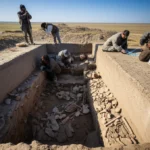
Recent archaeological digs at Cahuachi, the ceremonial center of the Nazca culture, reveal it was a bustling religious hub. This site likely served as the spiritual heart where rituals related to the lines took place. The connection between Cahuachi and the lines hints that the creators were deeply invested in ceremonial practices tied to their environment.
For a vivid cultural overview, watch the featured video that explores the Paracas and Nazca connection and the importance of water rituals.
🛠️ How Were the Nazca Lines Created? Techniques and Tools Explained
Creating gigantic desert drawings without modern tech? Sounds like magic, but it was all skill and ingenuity.
Step-by-Step Construction Process
-
Planning the Design
The Nazca likely started with small sketches or models, gradually scaling up. The use of wooden stakes and ropes allowed them to create straight lines and geometric shapes with surprising precision. -
Clearing the Surface
The desert surface is covered with dark reddish-brown pebbles rich in iron oxide. By carefully removing these top layers, the lighter-colored earth beneath was exposed, creating a striking contrast visible from above. -
Maintaining the Lines
Thanks to the dry climate and minimal wind, the lines have remained intact for centuries. The Nazca might have periodically cleared debris to maintain visibility. -
Tools and Materials
- Wooden stakes: Used as markers to outline shapes and lines.
- Ropes: Tied between stakes to guide straight lines and curves.
- Simple digging tools: To remove the topsoil and pebbles.
Why So Precise?
Some lines stretch over 40 km (25 miles) long! The precision suggests a sophisticated understanding of geometry and surveying. Theories propose that the Nazca used basic surveying techniques, possibly inspired by their knowledge of astronomy and landscape.
Table: Construction Features
| Feature | Description | Benefit |
|---|---|---|
| Wooden Stakes | Marked key points and line ends | Ensured straight lines and accurate shapes |
| Ropes | Connected stakes to guide lines and curves | Allowed scaling up from small sketches |
| Pebble Removal | Cleared dark surface stones to reveal lighter soil | Created high-contrast figures visible from above |
| Dry Climate | Minimal rain and wind | Preserved lines for over 1,500 years |
Fun fact: Some researchers believe the Nazca used hot air cushions and soil “plastering” techniques to protect lines from erosion, a testament to their environmental savvy.
🦅 Decoding the Designs: What Do the Nazca Geoglyphs Represent?
The Nazca Lines aren’t random doodles—they’re a vast gallery of symbolic art etched in the earth.
Categories of Figures
- Straight Lines: Over 800, some stretching for miles. Possibly pathways or markers.
- Geometric Shapes: Triangles, spirals, trapezoids, and zigzags.
- Pictorial Representations: Animals (monkeys, hummingbirds, spiders), plants, and mythical beings.
Symbolism and Possible Meanings
- Animals: Many animals depicted are native to the region and hold spiritual significance. For example, the spider is linked to water and fertility, while the hummingbird symbolizes resurrection and life.
- Plants: Represent fertility and agricultural cycles.
- Astronaut Figure: A humanoid figure often cited by fringe theorists but likely a stylized shaman or deity.
Table: Popular Nazca Figures and Their Symbolism
| Figure | Description | Possible Meaning |
|---|---|---|
| Monkey | Curly-tailed primate | Fertility, agility |
| Hummingbird | Small bird with long beak | Resurrection, vitality |
| Spider | Eight-legged arachnid | Water, rain, fertility |
| Whale | Marine mammal | Connection to water and ocean |
| Astronaut | Humanoid figure with large eyes | Possibly a shaman or deity |
For a detailed look at the most famous figures, see our upcoming section on 7 Most Intriguing Nazca Figures.
🌌 Theories Behind the Purpose: Why Were the Nazca Lines Made?
Why did the Nazca go to such lengths to create these enormous desert artworks? The answer remains elusive, but here’s what our History Hidden™ team has gathered from decades of research and debate.
1. Ritualistic and Religious Functions
The dominant theory is that the lines were part of rituals to summon water and fertility in the desert. Many figures relate to animals associated with rain and agriculture, suggesting the lines were offerings or prayers to deities.
2. Astronomical Calendars and Alignments
Some researchers, including Maria Reiche, proposed that the lines align with solstices, equinoxes, or star constellations, functioning as a giant astronomical calendar to mark planting seasons.
3. Pilgrimage Routes and Ceremonial Pathways
The straight lines may have served as ritual walkways for pilgrims visiting sacred sites like Cahuachi. Intersections of lines could have been ceremonial spots where offerings were made.
4. Water Management Maps
Recent studies suggest the lines might map underground water sources or aquifers, crucial for survival in the desert. This theory aligns with the importance of water in Nazca culture.
5. Extraterrestrial Hypotheses
Popularized by writers like Erich von Däniken, some claim the lines were landing strips for alien spacecraft. While entertaining, mainstream archaeology dismisses this due to lack of evidence.
Summary Table: Theories and Evidence
| Theory | Supporting Evidence | Criticism/Limitations |
|---|---|---|
| Ritualistic Water Prayers | Animal figures linked to fertility; ceremonial sites | No direct written records confirming rituals |
| Astronomical Alignments | Some lines align with solstices and stars | Not all lines fit astronomical patterns |
| Pilgrimage Routes | Line intersections with ceremonial centers | Difficult to prove walking routes without artifacts |
| Water Management | Correlation with underground water sources | Still speculative, requires more data |
| Alien Landing Strips | Large scale and visibility from air | No archaeological support, fringe theory |
🔍 7 Most Intriguing Nazca Figures and Their Possible Meanings
Ready for a safari across the Nazca desert art gallery? Here are seven standout figures that have fascinated historians and tourists alike:
| Figure | Description & Location | Possible Meaning & Notes |
|---|---|---|
| 1. The Monkey | Curly tail, 93 meters long | Fertility symbol; possibly linked to jungle spirits |
| 2. The Hummingbird | Delicate bird with long beak | Symbolizes resurrection and vitality |
| 3. The Spider | Eight legs, intricate lines | Water and rain deity representation |
| 4. The Whale | Marine mammal, near the ocean | Connection to the sea and water cycles |
| 5. The Condor | Large bird of prey, wings spread | Power, freedom, and sky deity |
| 6. The Astronaut | Humanoid figure with large eyes | Likely a shaman or deity, often misinterpreted |
| 7. The Tree | Geometric plant figure | Growth, life, and fertility |
Each figure is a masterpiece of scale and symbolism, reflecting the Nazca’s intimate relationship with nature and spirituality.
🌿 Environmental and Cultural Context: The Nazca People and Their Desert Landscape
Understanding the Nazca Lines means stepping into the shoes of the people who lived in one of the harshest environments on Earth.
The Nazca Desert: A Natural Canvas
The Nazca Desert is one of the driest places on the planet, with almost no rainfall. This extreme aridity is what has preserved the lines for centuries. The landscape is flat, making it ideal for large-scale geoglyphs.
The Nazca People’s Adaptations
- Irrigation and Water Management: The Nazca engineered underground aqueducts called puquios to tap groundwater.
- Agriculture: They cultivated maize, beans, and cotton, relying heavily on water conservation.
- Religion: Water and fertility were central themes, reflected in their art and rituals.
Cultural Significance of the Lines
The geoglyphs likely served as a spiritual bridge between the people and their gods, especially those controlling rain and fertility. The desert was not just a backdrop but a sacred space.
🛡️ Preservation Challenges: How Are the Nazca Lines Protected Today?
Despite their desert fortress, the Nazca Lines face modern threats that keep preservationists on high alert.
Natural Threats
- Rainfall: Rare but damaging; the first major rain damage was recorded in 2009.
- Wind and Erosion: Minimal but ongoing.
Human Threats
- Infrastructure: A highway built near the lines caused water runoff damage.
- Vandalism: In 2018, a truck left deep scars on the site, sparking outrage.
- Tourism Impact: Unregulated foot traffic can degrade the fragile surface.
Conservation Efforts
- UNESCO World Heritage status since 1994 has helped raise awareness.
- The Peruvian government enforces strict regulations and patrols.
- Research projects use drones and satellite imaging to monitor the lines without disturbing them.
Tip: If you visit, stick to designated viewing areas and avoid walking on the lines to help preserve this ancient wonder.
✈️ How to Visit the Nazca Lines: Best Tours, Viewing Spots, and Tips
Dreaming of seeing these giant desert drawings with your own eyes? Here’s the lowdown on how to experience the Nazca Lines safely and memorably.
Best Viewing Options
- Airplane Tours: The most popular and spectacular way to see the lines. Flights depart from Nazca Airport or Paracas Airport, lasting about 30 minutes.
- Observation Towers: Located near the Pan-American Highway, offering views of some lines and figures at a fraction of the cost.
- Hiking and Ground Tours: Limited and generally discouraged due to preservation concerns.
Recommended Tour Operators
Look for companies with good safety records and knowledgeable guides. Some well-reviewed operators include:
- Aerodiana
- Nazca Air
- Paracas Explorer
Tips for Visitors
- Book flights early, especially in high season (May–September).
- Choose a window seat on the right side of the plane for the best views.
- Bring sunscreen, water, and a camera with a good zoom.
- Consider combining your Nazca trip with visits to nearby attractions like the Huacachina oasis or the Paracas National Reserve.
📚 Nazca Lines in Popular Culture: Movies, Books, and Mysteries
The Nazca Lines have inspired countless stories, from scholarly books to sci-fi movies.
In Literature
- Maria Reiche’s The Mystery on the Desert is a classic, detailing decades of research.
- Erich von Däniken’s Chariots of the Gods? popularized alien theories.
On Screen
- Documentaries like The Nazca Lines: The Secret of the Desert explore scientific and mystical angles.
- Fictional portrayals often use the lines as alien landing sites or portals.
Folklore and Legends
Local legends speak of the lines as pathways for gods or spirits. For more on myths and legends, check out our Folklore and Legends and Mythology Stories categories.
🔬 Scientific Studies and Recent Discoveries About the Nazca Lines
Science keeps peeling back layers of the Nazca mystery.
Recent Archaeological Finds
- Discoveries at Cahuachi have revealed complex ceremonial architecture and artifacts, deepening understanding of the Nazca culture’s religious life.
- Ground-penetrating radar has identified possible underground aquifers linked to the lines.
Technological Advances
- Drones and satellite imagery have mapped previously unknown lines and figures.
- Soil analysis confirms the intentional removal of iron oxide pebbles.
New Hypotheses
- Some researchers propose the lines functioned as ritual pathways to water sources, supporting the water management theory.
- Others suggest the lines may have evolved over centuries, changing in meaning and function.
🧩 Unsolved Mysteries: What We Still Don’t Know About the Nazca Lines
Despite centuries of study, the Nazca Lines keep some secrets close.
- Exact Purpose: We still lack definitive proof of the lines’ original function. Were they calendars, ritual maps, or something else entirely?
- Construction Methods: How did the Nazca achieve such precision without aerial views?
- Cultural Context: What did the lines mean to the Nazca themselves? Written records are absent.
- Extent of the Lines: New lines continue to be discovered, suggesting the full scope is unknown.
This mystery is part of the lines’ enduring allure—a puzzle that invites us to imagine and explore.
🎯 Conclusion: The Enduring Legacy of the Nazca Lines
After our deep dive into the who, how, and why of the Nazca Lines, one thing is crystal clear: these geoglyphs are a breathtaking testament to human ingenuity, spirituality, and adaptation. Crafted by the Nazca culture over 1,500 years ago, these massive desert drawings continue to captivate the world with their scale, precision, and mystery.
While we’ve explored multiple theories — from ritualistic water prayers to astronomical calendars and pilgrimage routes — the true purpose of the lines remains tantalizingly elusive. This uncertainty is not a flaw but a feature, inviting us to keep questioning, researching, and marveling.
The Nazca people’s ability to create such monumental art without modern technology, using simple tools like wooden stakes and ropes, speaks volumes about their sophisticated understanding of their environment and their culture’s spiritual depth.
Preservation efforts are crucial to protect this fragile wonder from natural and human threats. If you ever get the chance to visit, whether soaring above in a small plane or peering from observation towers, you’ll witness a living legacy — a desert tapestry that whispers stories of ancient gods, desert survival, and human creativity.
So, are the Nazca Lines a celestial calendar, a sacred map, or an ancient message to the skies? Perhaps they are all of these and more — a riddle carved in stone and sand, waiting for each generation to interpret anew.
🔗 Recommended Links for Further Exploration
Ready to dive deeper or bring a piece of Nazca’s mystery home? Here are some top picks from History Hidden™:
- Maria Reiche’s The Mystery on the Desert: Amazon Link — The classic account of decades of research on the Nazca Lines.
- *Erich von Däniken’s Chariots of the Gods?:* Amazon Link — Popularized alien theories surrounding the lines.
- Nazca Air Tours: Amazon Search for Nazca Lines Tours — For travel gear and guides to plan your visit.
- Aerodiana Official Website: Aerodiana — One of the reputable operators offering Nazca Lines flights.
- Paracas Explorer: Paracas Explorer — Combine Nazca tours with other Peruvian desert adventures.
❓ Frequently Asked Questions About the Nazca Lines
What civilization created the Nazca Lines?
The Nazca Lines were primarily created by the Nazca culture, which thrived in southern Peru between approximately 200 BCE and 600 CE. Earlier contributions from the Paracas culture (900 BCE – 200 BCE) are also evident, especially in some of the oldest geoglyphs. The Nazca people were skilled artisans and engineers who lived in one of the driest regions on Earth, adapting their culture around water management and fertility rituals.
How were the Nazca Lines constructed without modern tools?
The Nazca used simple but effective tools: wooden stakes to mark points, ropes to create straight lines and curves, and manual removal of the iron oxide-rich pebbles covering the desert surface to reveal lighter soil underneath. This method created high-contrast lines visible from the air. Their precision suggests a sophisticated understanding of geometry and surveying, possibly aided by ground-level sighting techniques and scaled-up drawings.
What theories explain the purpose of the Nazca Lines?
Multiple theories exist:
- Ritualistic purposes: Lines and figures as offerings or prayers to deities for water and fertility.
- Astronomical calendars: Alignments with solstices and constellations to mark agricultural cycles.
- Pilgrimage routes: Straight lines as ceremonial pathways connecting sacred sites.
- Water management maps: Geoglyphs marking underground water sources.
- Extraterrestrial hypotheses: Popularized by fringe theorists but unsupported by evidence.
Are the Nazca Lines connected to ancient astronomy?
Some lines and figures align with celestial events such as solstices and equinoxes, supporting the idea that the Nazca used them as a giant astronomical calendar. However, not all lines fit neatly into this pattern, suggesting astronomy was one of several purposes rather than the sole function.
What materials did the Nazca people use to make the lines?
They removed the top layer of reddish-brown pebbles rich in iron oxide from the desert floor, exposing the lighter-colored earth beneath. This contrast creates the visible lines. The materials were natural and abundant, requiring no imported resources.
How have the Nazca Lines remained preserved for centuries?
The Nazca Desert’s extreme aridity and minimal wind have protected the lines from erosion. The lack of rainfall and vegetation means the lines have remained intact for over 1,500 years. However, modern human activity and rare weather events pose new preservation challenges.
What recent discoveries have been made about the Nazca Lines?
Recent archaeological work at the ceremonial center of Cahuachi has revealed complex religious structures and artifacts, shedding light on the cultural context of the lines. Advances in drone and satellite technology have uncovered previously unknown geoglyphs and helped map the site more accurately. Ground-penetrating radar studies suggest the lines may be connected to underground water sources, supporting water management theories.
📖 Reference Links and Academic Sources
For further verification and exploration, here are some authoritative sources:
- History Hit: Who Built the Nazca Lines and Why?
- Wikipedia: Nazca Lines
- Machu Travel Peru Blog: How the Nazca Lines Were Made
- UNESCO World Heritage Centre: Nazca Lines Site
- Aerodiana Official Website: https://aerodiana.com.pe/en/
- Paracas Explorer: https://www.paracasexplorer.com/