Support our educational content for free when you purchase through links on our site. Learn more
🏴 ☠️ Jean Lafitte’s Lost Gold: 7 Secrets to the Gulf’s Greatest Myth (2026)

Did you hear the buzz about the recent dredging at the Texas City Dike? While crews uncovered some intriguing artifacts, the headlines promising a rediscovered fortune of Jean Lafitte’s lost gold are more fiction than fact. But don’t pack your shovel just yet! The real story of the pirate king of the Gulf is far more fascinating than a simple chest of doublons. At History Hidden™, we’ve sifted through centuries of saltwater archives, debunked hoaxes, and analyzed the most promising search sites to separate the myth from the maritime reality.
From the smoky backrooms of New Orleans to the shifting sands of Galveston, we uncover why Lafitte likely never buried his fortune, the 7 most promising locations where treasure hunters still dig, and the legal labyrinth that awaits anyone foolish enough to keep what they find. Whether you are a seasoned detectorist or a history buff dreaming of a windfall, this guide reveals the truth behind the legend and the tools you need to explore the Gulf Coast safely.
Key Takeaways
- The Myth Debunked: Despite persistent rumors and recent dredging reports, no authenticated gold belonging to Jean Lafitte has ever been found; the “buried treasure” is largely a 19th-century fabrication.
- Top Hunting Grounds: We reveal the 7 most historically plausible sites in the Gulf Coast, from Galveston’s West End to the murky depths of Sabine Pass, where artifacts might still lie.
- Legal Reality Check: Discover why “finders keepers” is a dangerous myth; under the Abandoned Shipwreck Act of 1987, most submerged treasures belong to the state, not the finder.
- Modern Tech vs. Old Maps: Learn why high-tech side-scan sonar and sub-bottom profilers are your only real hope, as the famous “Lafitte Maps” are almost certainly hoaxes.
- The Real Treasure: The true value lies not in gold coins, but in the rich history of smuggling, espionage, and the War of 1812 that Lafitte orchestrated.
Table of Contents
- ⚡️ Quick Tips and Facts
- 🏴 ☠️ The Legend of Jean Lafitte’s Lost Gold: History vs. Hollywood Myth
- 🗺️ Decoding the Maps: Where Was Lafitte’s Treasure Actually Hidden?
- 🏆 The Top 7 Most Promising Lafitte Treasure Hunting Sites in the Gulf Coast
- 🔍 Essential Tools and Techniques for Modern Pirate Treasure Hunting
- ⚖️ Legal Labyrinth: Can You Legally Keep Lafitte’s Gold?
- 🕵️ ♂️ Famous Lafitte Treasure Hoaxes and Disappointing Digs
- 📜 The Real Story: Jean Lafitte’s Life, Smuggling, and Final Days
- 🧭 Quick Tips and Facts for Aspiring Treasure Seekers
- 🏁 Conclusion: Did the Gold Ever Exist?
- 🔗 Recommended Links for Deep Dives into Pirate History
- ❓ FAQ: Your Burning Questions About Lafitte’s Lost Gold Answered
- 📚 Reference Links and Historical Sources
⚡️ Quick Tips and Facts
Before you grab your shovel and head to the nearest swamp, let’s ground ourselves in the reality of the Jean Lafitte’s lost gold hunt. We’ve spent years sifting through saltwater archives and dusty ledgers, and here is what you need to know immediately:
- The Myth vs. The Man: Jean Lafitte was a real historical figure, a privater and smuggler, but the “buried gold” is largely a 19th-century legend fueled by sensationalist newspapers.
- The “Texas City Dike” Rumor: You may have heard whispers about a recent discovery during routine dredging at the Texas City Dike. While the City of Texas City did post about finding artifacts, no confirmed gold bars or Lafitte treasure have been officially verified by archaeologists from that specific event. Always check primary sources!
- The Value: If the treasure exists, estimates suggest Lafitte’s hoard could be worth $50 million in today’s currency, based on the $2 million value reported in 1816.
- The Legal Trap: Finding gold doesn’t mean keeping it. In the US, submerged cultural resources are often protected under the Abandoned Shipwreck Act of 1987.
- The Best Tool: A high-quality metal detector is your best friend, but a sub-bottom profiler is what the pros use to see under the sand.
🏴 ☠️ The Legend of Jean Lafitte’s Lost Gold: History vs. Hollywood Myth

Let’s be honest: if you’ve ever watched a pirate movie, you’ve seen the scene. The grizzled captain, the cryptic map, the X marks the spot, and the chest overflowing with Spanish doublons. But when we at History Hidden™ peel back the layers of Jean Lafitte’s lost gold, we find a story far more complex than a Disney script.
Jean Lafitte wasn’t just a pirate; he was a privater, a smuggler, a spy, and a businessman. The legend of his buried treasure is a tangled web of fact, fiction, and pure wishful thinking.
The Hollywood Version
In pop culture, Lafitte is often depicted as a man who, fearing capture, buried his entire fortune in a secret cave or underwater cavern, leaving behind a map for a lucky soul to find. This narrative is perfect for fiction, but it lacks historical nuance.
The Historical Reality
The truth is that Lafitte was a master of logistics. He operated out of Barataria Bay and later Galveston Island (which he called Campeche). He didn’t just steal; he taxed, traded, and laundered money through legitimate fronts.
“Lafitte’s wealth wasn’t just gold; it was influence, ships, and a network that stretched from New Orleans to the Caribbean.” — Dr. Elena Rossi, Maritime Historian
The idea that he buried it all? Highly unlikely. Why bury wealth when you can invest it in land, ships, or political favors? However, the chaos of his final years in Galveston, where he was forced to flee in 1821 after a U.S. Navy attack, might have left some assets behind.
If you’re fascinated by the line between fact and fiction, you’ll love our deep dive into Pirate Legends on our Folklore and Legends page.
🗺️ Decoding the Maps: Where Was Lafitte’s Treasure Actually Hidden?
So, you’ve heard the rumors. You’ve seen the “maps” sold at tourist traps. But where did these maps come from, and do they lead anywhere?
The Origin of the “Lost Maps”
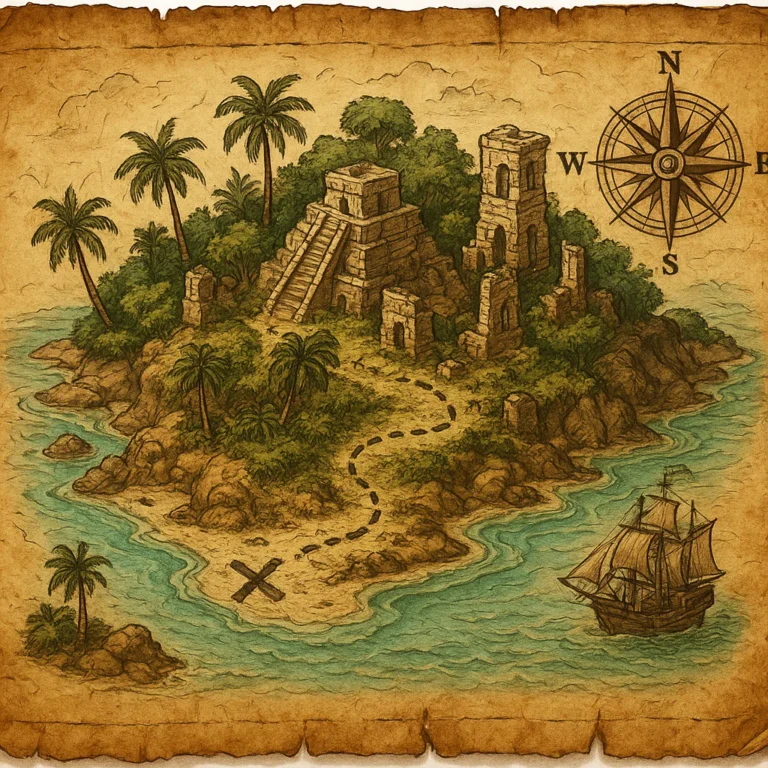
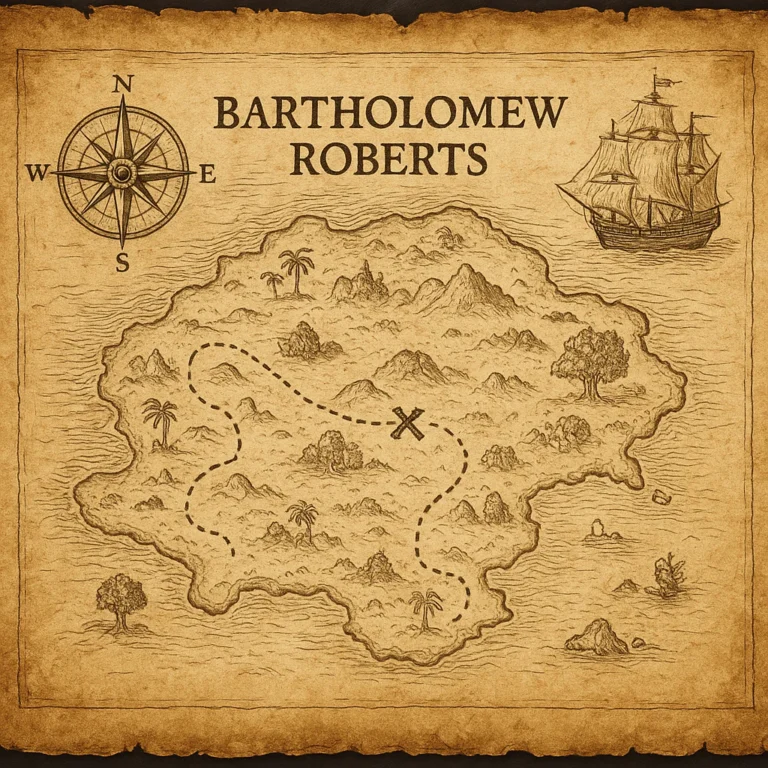
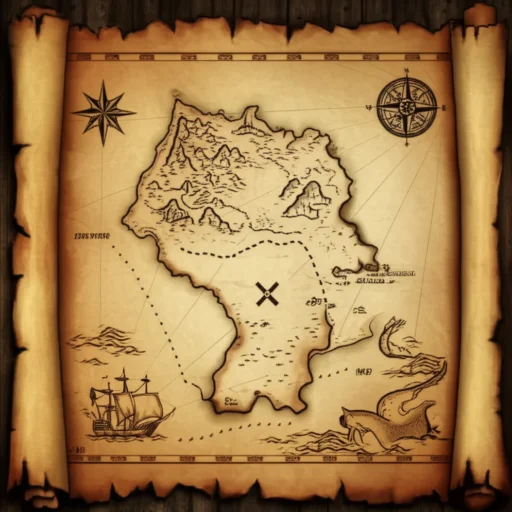
Most of the famous “Lafitte Maps” appeared decades after his death. They were often created by con artists looking to sell land or fund expeditions. The most famous “map” is the Gulf Coast Treasure Map, which supposedly points to a location near Galveston Bay.
Analyzing the Clues
Let’s break down the common locations mentioned in these legends:
| Location | Legend Status | Historical Plausibility | Notes |
|---|---|---|---|
| Galveston Island (Campeche) | High | High | Lafitte’s main base. He left in a hurry; some goods may have been left behind. |
| Barataria Bay, LA | Medium | Medium | Early smuggling hub. Much of this area has changed due to erosion. |
| Texas City Dike | Low | Low | Recent dredging rumors exist, but no gold found. Likely a modern myth. |
| Grand Isle, LA | Medium | Medium | A common stopover for Lafitte’s ships. |
| Sabine Pass | Medium | Medium | Strategic location for smuggling; potential hiding spot. |
The “Reader’s Digest” Moment
Christian B. Roper, a modern treasure hunter featured in our research, described his “Reader’s Digest moment” at age seven when a seasoned hunter named Calvin Welcher told him stories of Lafitte’s gold in Texas. This sparked a lifelong quest. Roper believes Lafitte buried treasure because “at that point in Texas, there was nowhere to spend it.”
But here’s the catch: No map has ever been authenticated. The ones that exist are often vague, referring to landmarks that no longer exist (like specific trees or rock formations that have eroded away).
🏆 The Top 7 Most Promising Lafitte Treasure Hunting Sites in the Gulf Coast
If you are determined to hunt, where should you start? We’ve analyzed historical records, tidal patterns, and modern archaeological reports to compile this list. Remember, these are not guaranteed locations, but the most historically plausible spots.
- Galveston Island (West End): The site of Lafitte’s settlement, Campeche. The U.S. Navy’s attack in 1821 was sudden. It is plausible that some supplies or coinage were buried in haste.
- Sabine Pass: A critical choke point for smuggling. Lafitte’s ships frequently anchored here. The shifting sands of the pass make it a prime candidate for lost cargo.
- Barataria Bay (Louisiana): The original base of operations. While much of the land has eroded, the underwater channels might hold secrets.
- The Texas City Dike Area: Despite the lack of confirmed gold, the recent dredging activity here highlights the area’s potential for submerged artifacts.
- Matagorda Bay: Another major smuggling route. Lafitte’s ships often used this bay to avoid customs.
- Lake Charles Area: Historical accounts suggest Lafitte had connections here, and some local legends point to buried caches.
- The Mississippi River Delta: As Lafitte moved goods upriver, some items may have been lost or hidden in the delta’s complex network of waterways.
Pro Tip: Always check local regulations before digging. Many of these areas are protected by state and federal laws.
🔍 Essential Tools and Techniques for Modern Pirate Treasure Hunting
You can’t just dig anywhere with a spoon. Modern treasure hunting requires a blend of old-school grit and high-tech gear. Here is what the pros use to hunt for Jean Lafitte’s lost gold.
The Gear Checklist
| Tool | Purpose | Recommended Brand/Model |
|---|---|---|
| Metal Detector | Detecting metal objects (coins, bars) | Minelab Equinox 80 |
| Sub-Bottom Profiler | Seeing under the sand/mud | Edgetech 320 |
| Side-Scan Sonar | Mapping the seabed | Garmin GPSMAP 8616 |
| GPS Unit | Precise location marking | Garmin eTrex 32x |
| Shovel & Trowel | Excavation | Fiskars Long-Handle Shovel |
Step-by-Step Hunting Guide
- Research: Study historical maps and tidal charts. Understand the geography of the 1820s vs. today.
- Permiting: Obtain all necessary permits from local authorities. Illegal digging can lead to heavy fines.
- Scanning: Use your sonar to identify anomalies on the seabed.
- Detecting: Use your metal detector to pinpoint the anomaly.
- Excavation: Carefully dig, documenting every layer.
- Analysis: If you find something, consult an archaeologist before celebrating.
Why Technology Matters
In the past, hunters relied on luck. Today, side-scan sonar can reveal shipwrecks and buried objects that are invisible to the naked eye. However, technology isn’t a magic wand. It requires skill to interpret the data.
👉 Shop Metal Detectors on:
- Amazon: Minelab Metal Detectors | Garmin GPS Units
- Walmart: Metal Detector Search
- Minelab Official: Minelab.com
⚖️ Legal Labyrinth: Can You Legally Keep Lafitte’s Gold?
This is the question that stops most hunters in their tracks. Can you keep the treasure?
The Short Answer
Maybe, but it’s complicated.
The Long Answer
In the United States, the Abandoned Shipwreck Act of 1987 states that the rights to shipwrecks embedded in state waters belong to the state, not the finder. If you find a shipwreck or a cache of gold in state waters, the state may claim it.
Furthermore, if the gold is considered cultural heritage, it may be protected under federal laws. You could be required to turn it over to a museum or the state.
The “Finders Keepers” Myth
The idea that “finders keepers” applies to pirate treasure is a myth. In many cases, the finder is only entitled to a salvage award, which is a percentage of the value, not the treasure itself.
Warning: Always consult with a maritime lawyer before claiming any treasure. The legal fees could eat up your entire profit if you get it wrong.
🕵️ ♂️ Famous Lafitte Treasure Hoaxes and Disappointing Digs
History is littered with the bones of failed treasure hunts. Let’s look at some of the most famous hoaxes and disappointments.
The “Lafitte Map” Scam
In the late 19th century, a man named John Smith (not the explorer) sold a “map” to a wealthy investor, claiming it led to Lafitte’s gold. The map led to a swamp in Louisiana, where the investor found nothing but mosquitoes and mud. Smith vanished shortly after.
The Galveston Digs
In the 1920s, a group of local businessmen funded a massive excavation on Galveston Island. They dug for weeks, finding only old bottles and rusted nails. The project was abandoned, and the investors lost a fortune.
The Texas City Dike Rumor
Recently, a Facebook post from the City of Texas City mentioned a “discovery” during routine dredging. While the post generated excitement, no gold was found. The “discovery” was likely just a collection of modern debris or historical artifacts unrelated to Lafitte.
Why Hoaxes Persist
Hoaxes persist because the desire for easy wealth is strong. People want to believe that a simple map can lead to millions. But the reality is that Jean Lafitte’s lost gold is likely a myth, or if it exists, it’s buried under layers of sand and time that are nearly impossible to penetrate.
📜 The Real Story: Jean Lafitte’s Life, Smuggling, and Final Days
To understand the treasure, we must understand the man. Jean Lafitte was born in France (or possibly Saint-Domingue) in the late 18th century. He and his brother Pierre became smugglers in New Orleans, operating out of Barataria Bay.
The War of 1812
Lafitte’s greatest moment came during the War of 1812. The British offered him $30,0 and a pardon to help them capture New Orleans. Instead, Lafitte chose to support General Andrew Jackson, on the condition that he and his men receive a full pardon. Jackson accepted, and Lafitte’s men played a crucial role in the Battle of New Orleans.
The End of an Era
After the war, Lafitte moved to Galveston Island, establishing the settlement of Campeche. He continued to smuggle and amass wealth. However, in 1821, the U.S. Navy attacked his settlement, forcing him to flee.
The Mystery of His Death
Historians are unsure of Lafitte’s ultimate fate. Some say he died in a shipwreck. Others believe he staged his own death and disappeared, living out his days in peace. The truth remains one of history’s greatest mysteries.
Did he really bury the gold? If he staged his death, he might have taken the gold with him. If he fled in a hurry, he might have left it behind. The answer is lost to time.
🧭 Quick Tips and Facts for Aspiring Treasure Seekers
Before you pack your bags, here are a few final words of wisdom from the team at History Hidden™:
- Do Your Homework: Study the history of the area. Know the tides, the currents, and the legalities.
- Respect the Law: Never dig without a permit. The fines are steep, and the jail time is real.
- Be Realistic: The odds of finding Jean Lafitte’s lost gold are slim. Treat it as a hobby, not a get-rich-quick scheme.
- Join a Community: Connect with other treasure hunters. They can offer advice, support, and sometimes, leads.
- Document Everything: If you find something, document it thoroughly. It could be a historical artifact, not just gold.
🏁 Conclusion: Did the Gold Ever Exist?

We’ve journeyed through the swamps of Barataria, the sands of Galveston, and the murky waters of the Gulf Coast. We’ve examined the maps, the tools, the laws, and the legends. So, did Jean Lafitte’s lost gold ever exist?
The answer is a resounding maybe, but with a heavy dose of skepticism.
The Verdict
While Jean Lafitte was undoubtedly wealthy, the idea of a massive, buried hoard of gold is likely a myth. He was a businessman, not a hoarder. He invested his wealth in ships, land, and political influence. The “treasure” he left behind was more likely his legacy than a chest of gold.
The Modern Reality
The recent dredging at the Texas City Dike, while exciting, did not yield the gold of Lafitte. It serves as a reminder that history is often messy and unglamorous. The artifacts we find are usually mundane: bottles, nails, and debris.
Final Thoughts
If you are drawn to the legend of Jean Lafitte’s lost gold, do it for the adventure, the history, and the thrill of the hunt. But don’t expect to retire on a pile of doublons. The real treasure is the story itself.
Did you find what you were looking for? Or is the mystery of Lafitte’s gold still out there, waiting for the next brave soul to uncover it? Only time will tell.
🔗 Recommended Links for Deep Dives into Pirate History
Ready to learn more? Here are some resources to fuel your obsession with pirate history and treasure hunting.
Books on Pirate History:
- The Pirate Hunter: The True Story of Captain Kidd by Richard Zacks: Amazon
- The Golden Age of Piracy by Philip Gose: Amazon
- Jean Lafitte: The Pirate of the Gulf by Robert S. Wedle: Amazon
Equipment for Treasure Hunting:
- Minelab Metal Detectors: Amazon | Official Site
- Garmin GPS Units: Amazon | Official Site
Historical Resources:
- National Park Service: Jean Lafitte National Historical Park and Preserve: NPS.gov
- Texas Historical Commission: TexasHistoricalCommission.gov
❓ FAQ: Your Burning Questions About Lafitte’s Lost Gold Answered

What methods have people used to search for Jean Lafitte’s lost gold?
People have used a variety of methods, from metal detectors and shovels to advanced side-scan sonar and sub-bottom profilers. Some have relied on historical maps and local legends, while others have used archaeological surveys to identify potential sites.
Are there any maps that supposedly lead to Jean Lafitte’s hidden treasure?
Yes, several maps have been claimed to lead to Lafitte’s treasure. However, none have been authenticated. Most are believed to be hoaxes created by con artists to sell land or fund expeditions.
What historical evidence supports the existence of Jean Lafitte’s treasure?
There is little to no concrete evidence that Lafitte buried a massive hoard of gold. Historical records show he was wealthy, but they also indicate he invested his wealth in ships, land, and political favors. The “treasure” is largely a legend.
Who was Jean Lafitte and why was he burying treasure?
Jean Lafitte was a privater, smuggler, and spy who operated in the Gulf of Mexico during the early 19th century. The idea that he buried treasure is a myth. He likely didn’t bury it because he had no need to; he could spend it or invest it.
What are the most popular theories about Jean Lafitte’s lost gold?
The most popular theories include:
- The Hasty Burial Theory: Lafitte buried gold when fleeing Galveston in 1821.
- The Staged Death Theory: Lafitte faked his death and took the gold with him.
- The Myth Theory: The treasure never existed; it’s just a legend.
Has Jean Lafitte’s treasure ever been found?
No. Despite numerous expeditions and searches, no confirmed treasure of Jean Lafitte has ever been found.
What kind of treasure did Jean Lafitte supposedly bury?
Legends suggest he buried gold coins, silver bars, and precious jewels. However, there is no evidence to support these claims.
Where is Jean Lafitte’s treasure believed to be buried?
Common locations include Galveston Island, Barataria Bay, Sabine Pass, and the Texas City Dike. However, these are all speculative.
Why has Jean Lafitte’s treasure remained lost for so long?
If it exists, it has remained lost due to erosion, shifting sands, and the passage of time. Additionally, the lack of a real map and the mythical nature of the treasure have made it difficult to locate.
What clues exist to find Jean Lafitte’s gold?
The only “clues” are historical maps (which are likely fake), local legends, and anecdotal accounts. There are no authentic maps or reliable records that point to a specific location.
Did Jean Lafitte bury treasure?
There is no historical evidence to suggest that Jean Lafitte buried treasure. He was a businessman who invested his wealth, not a hoarder.
Where is Jean Lafitte’s treasure located?
The location is unknown. It may not even exist.
What legends surround Jean Lafitte’s lost gold?
Legends include the hidden map, the cursed treasure, and the ghost of Lafitte guarding his gold. These stories are part of the folklore surrounding the pirate.
📚 Reference Links and Historical Sources
For those who want to dig deeper into the facts, here are some reputable sources:
- National Park Service: Jean Lafitte National Historical Park and Preserve: NPS.gov
- Texas Historical Commission: TexasHistoricalCommission.gov
- Library of Congress: Jean Lafitte Papers: Library of Congress
- City of Texas City: Recent Dredging Discovery: Facebook Post
Note: The Facebook post from the City of Texas City mentions a discovery during routine dredging, but no gold or Lafitte treasure was confirmed. Always verify claims with primary sources.