Support our educational content for free when you purchase through links on our site. Learn more
🏴 ☠️ Port Royal Sunken Treasure: The Lost Gold & Truth (2026)

Imagine a city so wealthy it was called the “Wickedest City on Earth,” only to vanish beneath the waves in less than two minutes. That is the haunting reality of Port Royal, a place where the line between history and myth dissolves into the turquoise depths of the Caribbean. For centuries, the legend of Port Royal sunken treasure has lured dreamers, pirates, and fortune hunters with promises of Spanish gold and jewels lost to the 1692 earthquake. But is the city truly a graveyard of riches, or is the real treasure something far more profound?
At History Hidden™, we’ve sifted through centuries of logs, archaeological reports, and sailor’s tales to separate the fact from the fiction. While the legendary chests of Spanish silver remain elusive, the underwater ruins offer a time capsule of 17th-century life that is arguably more valuable than any gold coin. From the frozen hands of a pocket watch stopped at the exact moment of the disaster to the preserved wooden foundations of taverns, the site tells a story of human excess, natural fury, and incredible resilience.
In this deep dive, we’ll explore the archaeological discoveries that have rewritten our understanding of the “Sodom of the New World,” debunk the wildest myths about the sunken gold, and guide you on how to actually visit this UNESCO World Heritage Site. Whether you are a seasoned diver, a history buff, or just curious about the fate of the pirates, the truth about Port Royal is far more captivating than any treasure map could promise.
⚡️ Key Takeaways
- The City Sank in Seconds: On June 7, 1692, a massive earthquake caused soil liquefaction, swallowing two-thirds of Port Royal into the sea in under two minutes.
- Real Treasure vs. Legend: While the mythical “gold of the Spanish Main” is scarce, the archaeological treasure of preserved organic artifacts (wood, leather, food) is unparalleled.
- Protected Heritage: The site is a UNESCO World Heritage Site; private treasure hunting is illegal, and all excavations are conducted by licensed archaeologists.
- Visit the Ruins: You can dive the sunken city and explore the surviving Fort Charles and the quirky Giddy House with guided tours.
- A Time Capsule: The low-oxygen water has preserved items like a pocket watch frozen at 1:43 a.m., offering a unique glimpse into 17th-century life.
Table of Contents
- ⚡️ Quick Tips and Facts
- 🏴 ☠️ The Rise and Fall of the Wickedest City: A History of Port Royal
- 🌊 The 1692 Earthquake: How Port Royal Sank Beneath the Waves
- 💰 Unearthing the Legend: Port Royal Sunken Treasure and Lost Gold
- 🏺 Archaeological Deep Dive: What Divers Have Actually Found
- 🗺️ Exploring the Underwater Ruins: Best Dive Sites Near Port Royal
- 📜 Famous Pirates and Privaters Linked to Port Royal
- 🔍 Debunking Myths: Fact vs. Fiction in the Sunken City
- 🎒 Planning Your Visit: Museums, Tours, and Safety Tips
- 📚 Recommended Links
- ❓ FAQ: Your Burning Questions About Port Royal Answered
- 📖 Reference Links
⚡️ Quick Tips and Facts
Before we dive into the murky depths of history, let’s get the lowdown on why Port Royal is the stuff of legends. If you’re here for the gold, you’re in the right place, but if you’re here for the truth, you’re in for a wilder ride.
- The “Wickedest City”: In the late 160s, Port Royal wasn’t just a town; it was a pirate utopia. It was so notorious for debauchery that it earned the title “Sodom of the New World.”
- The Great Sinking: On June 7, 1692, a massive earthquake struck. In less than two minutes, two-thirds of the city slid into the Caribbean Sea.
- Liquefaction Magic: The city didn’t just crumble; it sank because of soil liquefaction. The sand turned to liquid, swallowing buildings whole.
- Time Capsule: Because the water is low in oxygen, organic materials like wood, leather, and even food have been preserved for over 30 years.
- The Treasure: While the legendary “gold of the Spanish Main” is elusive, the real treasure is the archaeological gold of daily life, from silver coins to surgical tools.
- UNESCO Status: As of 2025, the site is a World Heritage Site, cementing its place in history.
Did you know? A pocket watch recovered from the seabed in the 1960s still had its hands frozen at 1:43 a.m., the exact moment the earthquake struck!
🏴 ☠️ The Rise and Fall of the Wickedest City: A History of Port Royal

From Spanish Outpost to Pirate Paradise
Our journey begins not with pirates, but with the Spanish. Founded in 1494, Port Royal started as a humble Spanish settlement. But the British took over in 165, and things went from “quiet harbor” to “wild west” faster than you can say “Arr.”
By the 1680s, Port Royal was the largest and wealthiest city in the Caribbean. Why? Because it was the perfect base for privaters. These were government-sanctioned pirates who attacked Spanish ships. The city became a melting pot of sailors, merchants, and rogues.
Fun Fact: There was roughly one tavern for every 10 residents. Yes, you read that right. The ratio of drinking holes to people was insane!
The Golden Age of Debauchery
Imagine a city where gold flowed like water. Privaters like Henry Morgan returned from raids with chests full of Spanish silver. The money was so abundant that a single raid on Portobello in 168 yielded £75,0—more than seven times the annual value of Jamaica’s sugar exports!
But with wealth came vice. As the historian Charles Leslie wrote:
“Wine and women drained their wealth to such a degree that… some of them became reduced to begary. They have been known to spend 2 or 3,0 pieces of eight in one night.”
It was a place where morality was optional, and the Port Royal sunken treasure legend was born from the sheer volume of wealth that passed through its streets.
The Downfall
The party couldn’t last forever. The city was built on a precarious sandbar, and nature was about to throw a curveball. But before the earthquake, the city was already facing internal strife and external threats. The stage was set for one of the most dramatic disasters in history.
If you’re fascinated by the stories of these rogues, you’ll love our deep dive into pirate legends on History Hidden™.
🌊 The 1692 Earthquake: How Port Royal Sank Beneath the Waves
The Day the Earth Shook
On the morning of June 7, 1692, the sky was clear, and the sea was calm. Then, at 1:43 a.m., the ground beneath Port Royal began to tremble.
The earthquake was catastrophic. But the real killer wasn’t just the shaking; it was the soil liquefaction. The city was built on 65 feet of water-saturated sand. When the quake hit, the sand lost its strength and turned into a sludge, causing the buildings to slide straight down into the harbor.
The Mechanics of Disaster
Think of it like this: imagine building a house on a giant bowl of Jell-O. Now, shake the bowl violently. The house doesn’t just fall; it sinks into the Jell-O. That’s exactly what happened to Port Royal.
- Two-thirds of the city sank into the sea.
- Fort Charles survived, standing as a lonely sentinel.
- Forts James and Carlisle were swallowed whole.
- Fort Rupert became a large region of water.
The Aftermath
The disaster killed between 1,0 and 3,0 people instantly. Another 2,0 died from disease in the following months. The survivors were left with nothing but a few scattered buildings and a harbor full of ruins.
Historical Insight: The earthquake was so powerful that it altered the coastline of Jamaica. The Palisadoes peninsula shifted, and the harbor’s depth changed forever.
For a visual representation of this disaster, check out the perspective of the first YouTube video embedded above in this article, which explores the legend of sunken pirate treasure in Port Royal, Jamaica, a city swallowed by the sea in 1692 due to a massive earthquake and subsequent tsunami. You can find it here: Featured Video.
💰 Unearthing the Legend: Port Royal Sunken Treasure and Lost Gold
The Myth of the Golden City
The idea of Port Royal sunken treasure is intoxicating. Stories of chests of gold, jewels, and Spanish silver lying at the bottom of the harbor have fueled dreams for centuries. But how much of it is real?
The truth is, the city was a hub for privaters who plundered Spanish treasure fleets. When the earthquake hit, much of this wealth was indeed lost. But the “treasure” isn’t just gold coins; it’s the entire city preserved underwater.
The Reality of the Finds
While the legendary “gold of the Spanish Main” is elusive, archaeologists have found silver coins, gold jewelry, and everyday items that tell the story of life in the 17th century.
- Silver Coins: 8 Reale coins (cobs) are common finds.
- Gold Jewelry: Rings, chains, and pendants have been recovered.
- Artifacts: Surgical tools, weapons, and even food remains have been found.
The Challenge of Recovery
Recovering treasure from Port Royal is no easy feat. The site is protected by the Jamaican government, and private treasure hunting is strictly regulated. Most of the work is done by archaeologists who focus on preservation rather than profit.
Did you know? The Texas A&M University project in the 1980s recovered thousands of artifacts, including a pocket watch that still works!
🏺 Archaeological Deep Dive: What Divers Have Actually Found
The Texas A&M Expedition
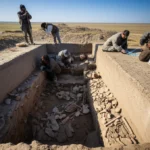
In 1981, the Nautical Archaeology Program at Texas A&M University began a 10-year underwater investigation of the sunken portion of Port Royal. This was a game-changer for understanding the site.
Key Discoveries
The team found that the low oxygen levels in the water had preserved organic materials that would have rotted away on land.
| Artifact Type | Description | Significance |
|---|---|---|
| Pocket Watch | Frozen at 1:43 a.m. | Confirmed the exact time of the earthquake. |
| Surgical Tools | Scalpels, forceps, and saws | Revealed the medical practices of the time. |
| Food Remains | Fish bones, seeds, and shells | Showed the diet of the residents. |
| Wooden Structures | Foundations of buildings | Helped map the layout of the sunken city. |
| Silver Coins | 8 Reale cobs | Evidence of the wealth that passed through the city. |
The Condition of Artifacts
One of the most fascinating aspects of the finds is the condition of the artifacts. Because the city sank into an anaerobic environment, many items were preserved in remarkable condition.
Expert Tip: If you’re looking to authenticate a Port Royal coin, remember that the condition depends on the burial environment. Coins buried under brick walls or in protective mud may look almost new, while those exposed to the elements may be heavily corroded.
For more on how to spot authentic artifacts, check out the discussion on the TreasureNet forum regarding the authentication of an 8 Reale silver coin allegedly recovered from Port Royal.
🗺️ Exploring the Underwater Ruins: Best Dive Sites Near Port Royal
Can You Dive There?
Yes, you can! The Port Royal Underwater Archaeological Site is open to divers, but with strict regulations. The site is managed by the Jamaica National Heritage Trust.
Top Dive Sites
- Fort Charles: The only fort that survived the earthquake. It’s a great spot for history buffs.
- The Sunken City: Dive into the ruins of the 17th-century city. You can see the foundations of buildings and streets.
- The Giddy House: A unique structure that tilted after the 1907 earthquake. It’s a must-see for its quirky architecture.
Safety Tips
- Check the currents: The harbor can have strong currents.
- Respect the site: Do not touch or remove any artifacts.
- Hire a guide: It’s best to go with a certified local guide who knows the site well.
Pro Tip: If you’re planning a dive, make sure to check the weather conditions and the visibility. The best time to dive is during the dry season.
📜 Famous Pirates and Privaters Linked to Port Royal
Henry Morgan
The most famous name associated with Port Royal is Henry Morgan. He was a privater who led raids on Spanish cities and returned with massive amounts of treasure. He was even knighted by the King of England!
Christopher Myngs
Another notable figure is Christopher Myngs, who led a raid on the Spanish city of Santiago de Cuba. His success helped establish Port Royal as a major hub for privaters.
Blackbeard (Edward Teach)
While Blackbeard is more associated with the American colonies, he did visit Port Royal. The city was a common stop for pirates looking to sell their plunder or restock supplies.
Did you know? The city was so popular with pirates that it was often called the “Pirate Capital of the Caribbean.”
🔍 Debunking Myths: Fact vs. Fiction in the Sunken City
Myth 1: The City is Full of Gold
Fact: While there is gold and silver, the real treasure is the archaeological record. The city is a time capsule of 17th-century life.
Myth 2: Anyone Can Dive and Take Treasure
Fact: The site is protected by law. Removing artifacts is illegal and punishable by fines or imprisonment.
Myth 3: The Earthquake Was the Only Disaster
Fact: The city faced multiple disasters, including fires in 1703, 1750, and 1815, and the 1907 earthquake that destroyed much of the rebuilt city.
Myth 4: The City is Completely Underwater
Fact: Only two-thirds of the city sank. The rest of the city was rebuilt and still exists today.
Expert Insight: The confusion often arises from the myth vs. reality of the sunken city. While the legend of the gold is exciting, the real value lies in the historical context and the preservation of the site.
🎒 Planning Your Visit: Museums, Tours, and Safety Tips
What to See
- Port Royal Museum: Located in the historic Naval Hospital, this museum houses artifacts from the sunken city.
- Fort Charles: A must-visit for history buffs.
- The Giddy House: A unique structure that tilted after the 1907 earthquake.
How to Get There
Port Royal is located at the end of the Palisadoes peninsula. You can reach it by car or by boat. The drive from Kingston takes about 30 minutes.
Safety Tips
- Stay hydrated: The Caribbean sun can be intense.
- Wear sunscreen: Protect your skin from the UV rays.
- Respect the site: Do not touch or remove any artifacts.
Pro Tip: If you’re planning a trip, make sure to check the opening hours of the museum and the availability of tours.
Conclusion

So, what’s the verdict on the Port Royal sunken treasure? Is it a city of gold waiting to be discovered, or a myth that’s been blown out of proportion?
The truth is, it’s a bit of both. While the legendary “gold of the Spanish Main” may not be as abundant as the stories suggest, the archaeological treasure is immense. The city is a time capsule of 17th-century life, preserved in the low-oxygen waters of the Caribbean.
For history buffs, divers, and treasure hunters alike, Port Royal offers a unique glimpse into the past. Whether you’re diving into the ruins or exploring the museum, you’re stepping into a world where pirates, privaters, and disasters shaped the course of history.
Our Recommendation: If you’re planning a trip to Jamaica, make sure to include Port Royal in your itinerary. The Port Royal Museum and the underwater ruins are a must-see for anyone interested in history. And remember, the real treasure isn’t just the gold; it’s the story of the city itself.
📚 Recommended Links
If you’re ready to dive deeper into the world of Port Royal, here are some resources to get you started:
- Books:
- The Wickedest City on Earth: The Story of Port Royal
- Port Royal: The Rise and Fall of the Wickedest City
- Artifacts:
Silver Coins: Search for 8 Reale coins on Amazon
Pirate Jewelry: Shop pirate jewelry on Etsy - Tours:
Port Royal Diving Tours: Book a dive tour on Viator
Museum Tickets: Buy tickets to the Port Royal Museum
❓ FAQ: Your Burning Questions About Port Royal Answered

How does the sunken treasure of Port Royal compare to other famous treasure discoveries, such as the Treasure of the Atocha or the Whydah Gally?
While the Treasure of the Atocha and the Whydah Gally are famous for their gold and silver, the Port Royal treasure is unique because it includes organic materials preserved in the low-oxygen environment. The Atocha and Whydah are more focused on shipwrecks, while Port Royal is a sunken city.
What are the challenges and obstacles faced by treasure hunters and archaeologists attempting to recover the sunken treasure of Port Royal?
The main challenges include legal restrictions, environmental conditions, and the fragility of the site. Private treasure hunting is strictly regulated, and the site is protected by the Jamaican government. Additionally, the low oxygen levels and strong currents make diving difficult.
Are there any notable treasure hunters or expeditions that have successfully recovered treasure from the sunken city of Port Royal?
Yes, the Texas A&M University project in the 1980s recovered thousands of artifacts. Robert Marx also conducted excavations in the 1960s, recovering silver coins and other items.
What role did piracy and smuggling play in the accumulation of treasure in Port Royal prior to its sinking?
Piracy and smuggling were the lifeblood of Port Royal. The city was a hub for privaters who attacked Spanish ships and brought back massive amounts of treasure. This wealth fueled the city’s growth and made it one of the richest in the Caribbean.
How does the discovery of sunken treasure in Port Royal impact our understanding of Jamaican history and culture?
The discovery of sunken treasure in Port Royal provides a unique glimpse into the 17th-century Caribbean. It helps us understand the daily life, economy, and culture of the time. The artifacts also highlight the impact of piracy on the region.
What are some of the most famous stories and legends surrounding the sunken treasure of Port Royal?
One of the most famous legends is the story of the pocket watch that still works, frozen at the time of the earthquake. Another is the tale of the gold of the Spanish Main, which is said to be buried in the ruins of the city.
Can visitors explore the sunken city of Port Royal and see the treasure for themselves?
Yes, visitors can explore the underwater ruins of Port Royal, but with strict regulations. The site is managed by the Jamaica National Heritage Trust, and private treasure hunting is prohibited.
What are the current efforts to excavate and preserve the sunken treasure of Port Royal?
Current efforts include archaeological excavations by universities and the Jamaica National Heritage Trust. The focus is on preservation rather than profit, and the site is protected by law.
How did the earthquake and tsunami of 1692 contribute to the sinking of Port Royal and the subsequent loss of treasure?
The earthquake caused soil liquefaction, which turned the sand into a sludge and caused the city to sink. The tsunami that followed added to the destruction, washing away buildings and scattering treasure.
What are the most valuable items that have been recovered from the sunken city of Port Royal?
Some of the most valuable items include silver coins, gold jewelry, and surgical tools. The pocket watch that still works is also a significant find.
Is the sunken treasure of Port Royal still intact and waiting to be discovered?
While much of the treasure has been recovered, there is still much to discover. The site is a time capsule of 17th-century life, and new artifacts are being found regularly.
What is the history of Port Royal and its significance in the context of sunken treasure?
Port Royal was a major hub for privaters and pirates in the 17th century. The city was known for its wealth and debauchery, and the earthquake of 1692 caused it to sink into the sea. The sunken treasure is a testament to the city’s rich history and cultural significance.
Read more about “Treasure of the Nuestra Señora de Atocha: 7 Secrets Revealed! 💰”
📖 Reference Links