Support our educational content for free when you purchase through links on our site. Learn more
The Oak Island Mystery Unveiled: Secrets, Theories & Treasures 🏝️ (2025)

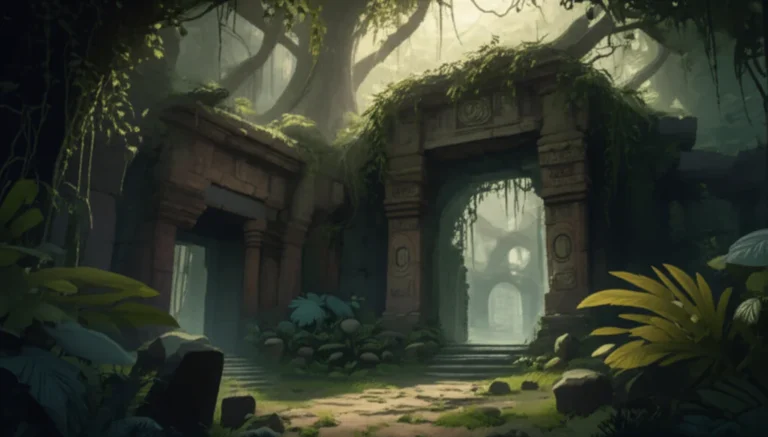
For over two centuries, Oak Island has tantalized treasure hunters, historians, and conspiracy theorists alike with its enigmatic “Money Pit,” cryptic symbols, and a curse that claims seven lives before the treasure is found. From teenage boys stumbling upon a curious depression in 1795 to modern-day explorers deploying cutting-edge technology, the Oak Island mystery is a captivating blend of history, legend, and relentless human curiosity. But what really lies beneath the surface of this small Nova Scotia island? Is it pirate gold, sacred relics, or simply a natural geological oddity?
In this comprehensive guide, we at History Hidden™ peel back every layer of the Oak Island saga — from the earliest discoveries and engineering marvels to the most compelling theories about who buried the treasure and why. Along the way, we explore the tragic human cost, the modern scientific breakthroughs, and the cultural phenomenon that has turned Oak Island into a global obsession. Stick around for our expert take on the mystery and discover why the hunt itself might be the greatest treasure of all.
Key Takeaways
- Oak Island’s Money Pit is a complex, man-made shaft with flood tunnels designed to thwart treasure hunters, discovered in 1795 by three teenagers.
- Multiple theories abound, including pirate treasure, Knights Templar relics, royal jewels, and natural sinkholes, each with passionate advocates and skeptics.
- Modern technology like ground-penetrating radar and seismic surveys has uncovered new clues, but the ultimate treasure remains elusive.
- The island’s curse and tragic history add a chilling dimension to the ongoing search, with six deaths recorded over the centuries.
- The mystery has transformed Oak Island into a tourism hotspot and inspired a hit TV series, fueling global fascination.
- Our expert historians lean toward the Knights Templar theory as the most plausible explanation for the island’s elaborate constructions and artifacts.
Ready to dive deeper? Keep reading to uncover the full story behind one of history’s most enduring enigmas.
Table of Contents
- ⚡️ Quick Tips and Facts: Your Essential Oak Island Primer
- 🗺️ The Enduring Enigma: Unearthing Oak Island’s Deep History
- 🗝️ The Core Components of the Oak Island Mystery
- The Legendary Money Pit: Engineering Marvel or Natural Sinkhole?
- The 90-Foot Stone: A Cryptic Message from the Past?
- Smith’s Cove and the U-Shaped Beach: Unraveling the Shoreline Secrets
- Nolan’s Cross: A Celestial Map or a Geological Coincidence?
- The Oak Island Swamp: Shipwreck, Anomalies, and Buried Secrets
- 📜 Who Buried It? The Most Popular Oak Island Treasure Theories
- 1. Pirate Plunder: Captain Kidd, Blackbeard, and the Buccaneer’s Bounty
- 2. The Knights Templar: Protecting Sacred Relics and Ancient Knowledge
- 3. Francis Bacon and Shakespearean Manuscripts: A Literary Legacy?
- 4. Marie Antoinette’s Jewels: A Royal Escape to Nova Scotia?
- 5. Spanish Galleon Treasure: Lost Riches from the New World
- 6. Natural Geological Phenomena: The Skeptic’s Perspective
- ⛏️ The Relentless Hunt: Key Explorers and Expeditions Through the Ages
- The Original Discoverers: McGinnis, Vaughan, and Smith
- Early Companies: From the Oak Island Association to the Truro Company
- The Blankenship Legacy: Dan and David’s Decades-Long Dedication The Lagina Brothers: Rick, Marty, and the Modern-Day Quest
- Other Notable Figures: Fred Nolan, Robert Restall, and More
- ⚠️ The Perilous Pursuit: Tragedies and Dangers on Oak Island
- 🔬 Modern Science Meets Ancient Mystery: Technology’s Role in the Search
- 👻 The “Curse” of Oak Island: Myth, Legend, or Eerie Coincidence?
- 💰 Beyond the Treasure: Oak Island’s Economic and Tourism Impact
- 📺 The Media Phenomenon: The Curse of Oak Island and Global Fascination
- 🧐 Our Expert Take: History Hidden™ Weighs In on the Oak Island Enigma
- ✅ Conclusion: The Enduring Allure of the World’s Greatest Treasure Hunt
- 🔗 Recommended Links: Dive Deeper into the Mystery
- ❓ FAQ: Your Burning Questions About Oak Island Answered
- 📚 Reference Links: Our Sources for the Oak Island Story
⚡️ Quick Tips and Facts: Your Essential Oak Island Primer
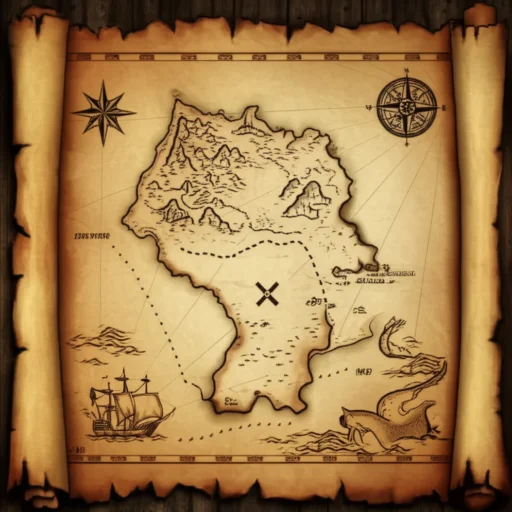
Welcome, fellow history detectives! Before we plunge headfirst into the murky depths of the world’s longest-running treasure hunt, let’s get you geared up with the essentials. Here at History Hidden™, we believe a good foundation is key to cracking any mystery. Think of this as your treasure map to understanding the Oak Island enigma.
| Quick Fact 🗺️ | The Lowdown on Oak Island 🧐 |
|---|---|
| What is it? | A 140-acre, privately owned island off the coast of Nova Scotia, Canada, and the site of a legendary, 225+ year treasure hunt. |
| The Main Attraction | The “Money Pit,” a man-made shaft of unknown depth and origin, discovered in 1795. |
| The Big Problem | Ingenious “booby traps,” including flood tunnels connected to the ocean, have thwarted every excavation attempt. |
| Who’s Hunting Now? | Brothers Rick and Marty Lagina, stars of the hit HISTORY Channel series The Curse of Oak Island. |
| What’s the “Curse”? | A legend, over a century old, stating that seven men must die in the search before the treasure is found. The current death toll stands at six. |
| Potential Treasures? | Theories range from pirate loot (Captain Kidd), the Holy Grail, the Ark of the Covenant, Marie Antoinette’s jewels, to Shakespearean manuscripts. |
| Key Finds So Far | While no main treasure has been found, discoveries include a 14th-century lead cross, a Roman sword (authenticity debated), Spanish coins, and human bone fragments of Middle Eastern origin. |
| The Skeptic’s View | Some geologists argue the “Money Pit” is a natural sinkhole, and the flood tunnels are the result of the island’s porous geology. |
🗺️ The Enduring Enigma: Unearthing Oak Island’s Deep History

Every great mystery has a beginning, a single moment that spirals into centuries of questions. For Oak Island, that moment came in the summer of 1795. But was it truly the beginning, or just the first time someone noticed? We’ve spent countless hours poring over dusty archives and faded maps, and let us tell you, the story is more complex than you can imagine. It’s a tale that has more in common with our deep dive into Unearth the Mystery of Jean Lafitte’s Lost Gold: 7 Fascinating Theories 🏴 ☠️ than you might think.
The Original Discovery: Three Boys and a Peculiar Depression
Picture this: it’s 1795. A teenager named Daniel McGinnis is wandering Oak Island, a place already steeped in local lore of strange lights and pirate whispers. He stumbles upon a peculiar circular depression in the ground, about 13 feet wide, under an old oak tree whose branches show signs of having supported a rope and tackle. His mind, fueled by tales of buccaneers like Captain Kidd, immediately jumped to one conclusion: buried treasure.
McGinnis, along with his two friends, Anthony Vaughan and John Smith, returned to the spot with shovels and high hopes. What they found was anything but natural.
- ✅ Two feet down: A layer of flagstones.
- ✅ Ten feet down: A platform of solid oak logs, sealed tightly together.
- ✅ Twenty feet down: Another oak platform.
- ✅ Thirty feet down: Yet another platform.
The boys, realizing this was a feat of engineering far beyond their capabilities, abandoned their dig due to “superstitious dread,” but the legend of the “Money Pit” was born. They had unknowingly launched what would become “the world’s longest and most expensive treasure hunt.”
Early Expeditions: The First Attempts to Crack the Code
The story didn’t stay buried for long. Around 1802, a group called the Onslow Company picked up where the boys left off. This expedition pushed deeper, uncovering more astounding features that confirmed the pit was man-made. They continued to find oak log platforms at ten-foot intervals, but also discovered layers of charcoal, putty, and, most bizarrely, coconut fiber. Coconuts, as you know, are not native to chilly Nova Scotia, suggesting materials were brought from a great distance.
But it was at the 90-foot level that they found the most tantalizing clue of all: a large, flat stone covered in a cryptic inscription. The very next day, their hopes were dashed. As one researcher later wrote, after a crowbar struck something hard at 98 feet, “the pit was 60 feet deep in saltwater, rendering bailing futile.” The booby trap had been sprung. The Money Pit had claimed its first victory.
🗝️ The Core Components of the Oak Island Mystery
To truly grasp the Oak Island saga, you need to understand its key landmarks and legends. These aren’t just points on a map; they’re characters in a 200-year-old drama, each with its own story, its own secrets, and its own army of believers and debunkers.
The Legendary Money Pit: Engineering Marvel or Natural Sinkhole?
The Money Pit is the heart of the mystery. It’s the reason anyone knows the name “Oak Island.” From the very first dig, it was clear this was no ordinary hole. The perfectly spaced oak platforms, layers of foreign materials, and tool marks on the walls all screamed “man-made.”
But here’s the rub: many modern geologists have a much less romantic theory. They point out that the island’s bedrock is composed of soft limestone and gypsum, which are prone to dissolving in groundwater and forming cavities. According to geoscientist Steven Aitken, “Sinkholes are like garbage cans of the geological world,” suggesting the Money Pit could be a collapsed cave system that has collected debris over centuries.
The Infamous Flood Tunnels: A Masterpiece of Ancient Defense?
The single greatest obstacle for every treasure hunter has been water. Early excavators discovered that the Money Pit is protected by a sophisticated system of flood tunnels. When a dig reaches a certain depth, these tunnels are breached, and seawater from nearby Smith’s Cove rushes in, filling the shaft in minutes.
Investigators in the 1800s discovered an elaborate filtration system at Smith’s Cove, a man-made beach of sorts, with layers of coconut fiber and eelgrass covering five box drains that converge and point directly toward the Money Pit. It was a stunning piece of engineering designed to do one thing: protect whatever lies at the bottom.
❌ The Skeptic’s View: Geologists argue these “tunnels” could be natural fissures in the porous rock. A 1995 survey by the Woods Hole Oceanographic Institution concluded the flooding was likely a natural interaction between the island’s freshwater lens and tidal pressures.
Alleged Artifacts and Layers of Deception
Over the centuries, various drilling and digging operations have reported bringing up tantalizing fragments from the Money Pit’s depths:
- Three links of a gold chain (1849)
- A piece of parchment with the letters “vi” or “wi” written in India ink (1896)
- A supposed iron plate and magnetized filings at the 126-foot level.
Could these be genuine clues, or just the detritus of two centuries of failed excavation attempts? It’s a classic Oak Island puzzle.
The 90-Foot Stone: A Cryptic Message from the Past?
Discovered by the Onslow Company around 1803, the 90-Foot Stone is one of the most enigmatic and controversial pieces of evidence. This flat stone slab was reportedly covered in a cipher of strange symbols. For decades, its meaning was a complete mystery.
Then, in the 20th century, a Halifax professor claimed to have decoded the inscription, translating it to: “Forty feet below, two million pounds lie buried.” This translation electrified the treasure-hunting community and has been quoted endlessly ever since.
But hold on! There’s a huge problem. The stone itself has been missing since the early 1900s. No one alive today has seen it. We only have drawings and second-hand accounts of the inscription. Is the translation accurate, or is it a piece of folklore that has become fact through repetition? Without the stone, we may never know.
Smith’s Cove and the U-Shaped Beach: Unraveling the Shoreline Secrets
Smith’s Cove is more than just the source of the flood tunnels. It has been a hotbed of discovery for the modern team led by Rick and Marty Lagina. Excavations here have revealed:
- A mysterious U-shaped wooden structure.
- The remains of an old wharf.
- A lead cross with potential links to the Knights Templar, possibly dating as far back as the 13th century.
These finds suggest significant, pre-1795 activity on the island, pushing the timeline of the mystery back by centuries and opening the door to a host of new theories.
Nolan’s Cross: A Celestial Map or a Geological Coincidence?
In the 1950s, surveyor and long-time island resident Fred Nolan discovered a formation of five large, cone-shaped boulders that form a perfect Latin cross stretching across the island. This massive structure, now known as Nolan’s Cross, has become a focal point for researchers.
Theories about its purpose are wild and varied:
- A Templar Marker: Many, including researcher Christopher Morford, believe it’s a marker built by the Knights Templar, with the alignment pointing directly to the Money Pit area.
- A Celestial Map: Researcher Petter Amundsen theorizes it mirrors the constellation Cygnus or is part of a larger Kabbalistic Tree of Life pattern on the island.
- A Coincidence: Skeptics argue that with so many boulders on the island, you can connect the dots to make almost any shape you want.
The Oak Island Swamp: Shipwreck, Anomalies, and Buried Secrets
The island’s triangular swamp was long overlooked, but Fred Nolan believed it was man-made and might conceal a sunken ship. Modern seismic testing has confirmed a large, ship-shaped anomaly deep in the muck. The Lagina brothers’ team has since found evidence of an old stone roadway or wharf leading into the swamp, along with wood planking and other potential ship-related artifacts. Could an entire vessel have been intentionally sunk and buried here? The swamp holds its secrets tightly.
📜 Who Buried It? The Most Popular Oak Island Treasure Theories
Ah, the billion-dollar question! Who had the motive, the means, and the sheer engineering genius to construct the Money Pit? Over the centuries, the list of suspects has grown into a fascinating collection of historical figures and secret societies. This is where the story truly enters the realm of Folklore and Legends.
1. Pirate Plunder: Captain Kidd, Blackbeard, and the Buccaneer’s Bounty
This is the OG theory, the one that started it all. The legend of Captain William Kidd burying treasure on an island “east of Boston” was rampant in the 1700s. In fact, a story about a dying sailor from Kidd’s crew confessing to burying £2 million on an island is one of the earliest printed accounts of the mystery.
- ✅ Evidence For: Mahone Bay was a known pirate haven. Captain Kidd is one of the few pirates confirmed to have actually buried treasure (though it was found).
- ❌ Evidence Against: The sheer complexity of the Money Pit seems far beyond the capabilities of a typical pirate crew, who were more known for “dig and dash” burials. Skeptics claim Kidd spent little time near Nova Scotia.
2. The Knights Templar: Protecting Sacred Relics and Ancient Knowledge
This is perhaps the most popular and romantic theory today. The Knights Templar were a wealthy and powerful military order during the Crusades. When they were brutally suppressed by King Philip IV of France on Friday, October 13th, 1307, their vast fleet and legendary treasure mysteriously vanished.
The theory posits that the Templars fled to Scotland and then, with the help of Scottish prince Henry Sinclair, sailed to the New World in 1398, long before Columbus. They chose Oak Island as the hiding place for their most sacred relics, possibly the Holy Grail or the Ark of the Covenant.
- ✅ Evidence For: The lead cross found at Smith’s Cove has been linked to the Templars. Nolan’s Cross is a powerful symbol associated with the order. The engineering of the Money Pit aligns with the Templars’ known skills.
- ❌ Evidence Against: The direct historical link between the Templars and Nova Scotia is still debated and lacks definitive proof.
3. Francis Bacon and Shakespearean Manuscripts: A Literary Legacy?
Could the treasure be not gold, but knowledge? This theory suggests that Sir Francis Bacon, the brilliant philosopher and scientist, was the true author of William Shakespeare’s plays. To protect his original manuscripts and proof of his authorship, he supposedly had them buried in an ingeniously designed vault on Oak Island. This connects to the broader world of Mythology Stories where hidden knowledge is a recurring theme.
4. Marie Antoinette’s Jewels: A Royal Escape to Nova Scotia?
During the French Revolution, as chaos engulfed Paris, Queen Marie Antoinette allegedly entrusted her priceless jewels to a lady-in-waiting. The plan was for the Queen to escape to North America. While she never made it, this theory suggests her jewels did, and were buried on Oak Island for safekeeping.
5. Spanish Galleon Treasure: Lost Riches from the New World
For centuries, Spanish galleons laden with gold, silver, and gems from the Americas sailed the treacherous Atlantic. It’s plausible that one such galleon wrecked off the coast of Nova Scotia, and the survivors buried the treasure on Oak Island, creating the elaborate pit to protect it until they could return. The discovery of a 17th-century Spanish coin adds some weight to this idea.
6. Natural Geological Phenomena: The Skeptic’s Perspective
Of course, there’s the theory that there is no treasure, no depositor, and no grand conspiracy. As we’ve mentioned, geologists suggest the Money Pit is a sinkhole, the flood tunnels are natural waterways, and the “artifacts” are a mix of natural debris and items lost by previous searchers. As Sean Kirby of the Mining Association of Nova Scotia explains, the island’s geology of soft gypsum and limestone makes sinkholes common. It’s the least exciting theory, but one we must consider.
⛏️ The Relentless Hunt: Key Explorers and Expeditions Through the Ages
The story of Oak Island is as much about the hunters as it is about the treasure. Generations of individuals have poured their fortunes, their reputations, and even their lives into this patch of land.
The Original Discoverers: McGinnis, Vaughan, and Smith
These three teenagers started it all in 1795. While they didn’t get far, their initial discovery and unwavering belief that something important was buried on the island set the stage for everyone who followed.
Early Companies: From the Oak Island Association to the Truro Company
The 19th century saw a series of well-funded but ultimately doomed expeditions.
- The Onslow Company (c. 1802): Pushed the dig to 90 feet and found the inscribed stone before being flooded out.
- The Truro Company (1849): Used a steam-powered auger drill, recovering the gold chain links, but also succumbed to flooding after multiple attempts.
- The Oak Island Association (1861): An ambitious attempt that ended in tragedy with the first recorded death on the island when a boiler exploded.
Even a young Franklin D. Roosevelt, future U.S. President, was captivated by the mystery and invested in a search company in the early 1900s, following the hunt for years.
The Blankenship Legacy: Dan and David’s Decades-Long Dedication
No name is more synonymous with the modern search than Blankenship. Dan Blankenship, inspired by the same 1965 Reader’s Digest article that captivated Rick Lagina, moved his family to the island in the 1960s and dedicated over 50 years of his life to the hunt. He was a true legend, responsible for excavating the deep “Borehole 10-X” and possessing an unparalleled knowledge of the island’s secrets before his passing in 2019. His son, David, continues to be a vital part of the current team.
The Lagina Brothers: Rick, Marty, and the Modern-Day Quest
Rick and Marty Lagina are the current torchbearers of the Oak Island quest. Rick, a retired postal worker, has been obsessed with the mystery since reading that Reader’s Digest article as a boy. Marty, a successful engineer and businessman, provides the funding and a more skeptical, scientific approach. In 2006, they purchased a controlling interest in the island and, with the help of the Blankenships and a team of experts, have brought modern technology and a new wave of global attention to the mystery through their TV show.
Other Notable Figures: Fred Nolan, Robert Restall, and More
- Robert Restall: A treasure hunter in the 1960s whose quest ended in the island’s greatest tragedy. He, his son, and two other men died in a single accident.
- Fred Nolan: The surveyor who discovered Nolan’s Cross and spent decades conducting his own, often secretive, research on the island, amassing an incredible collection of maps and artifacts.
⚠️ The Perilous Pursuit: Tragedies and Dangers on Oak Island
The hunt for Oak Island’s treasure has not been without a heavy cost. The physical dangers of deep excavation, combined with the island’s unpredictable nature, have led to multiple fatalities, fueling the legend of the curse.
| Year | Victim(s) | Circumstances of Death |
|---|---|---|
| 1861 | Unnamed Man | A water pump boiler exploded during an excavation by the Oak Island Association. |
| 1897 | Maynard Kaiser | A worker fell to his death while being hoisted from one of the pits. |
| 1965 | Robert Restall, Robert “Bobby” Restall Jr., Karl Graeser, Cyril Hiltz | In the island’s most devastating incident, Robert Restall was overcome by poisonous gas (likely hydrogen sulfide or carbon monoxide) in a shaft. His son and two co-workers died trying to rescue him. |
These six deaths fulfill a large part of the prophecy that “seven must die” before the treasure is found. This grim toll serves as a constant reminder of the very real dangers that lie beneath the island’s surface.
🔬 Modern Science Meets Ancient Mystery: Technology’s Role in the Search
Gone are the days of just shovels and grit. The Lagina brothers’ team has deployed an arsenal of 21st-century technology to peel back the island’s layers. This is where the hunt becomes a fascinating blend of history and high-tech science.
Advanced Geophysical Surveys: Peering Beneath the Surface
Before a single shovel hits the dirt, the team uses non-invasive methods to map what lies beneath:
- Ground-Penetrating Radar (GPR): Sends radar pulses into the ground to detect anomalies, voids, and buried structures.
- Seismic Testing: Creates underground maps by sending sound waves through the earth, helping to identify things like the ship-shaped anomaly in the swamp.
- Metal Detection: Expert Gary Drayton has become a fan favorite, using advanced metal detectors to find countless artifacts just below the surface, including coins, buttons, and the famous lead cross.
Borehole Drilling and Core Samples: What Lies Deep Below?
Instead of massive, dangerous excavations, the team strategically drills boreholes to extract core samples. As highlighted in the featured video, analysis of wood brought up from deep within the Money Pit area has shown surprising traces of gold, fueling the theory that precious metals are down there. This targeted approach allows them to “see” underground without disturbing the entire site.
Underwater Archaeology and Diving Operations: Exploring the Depths
With the island riddled with water-filled shafts like Borehole 10-X and the flooded Garden Shaft, diving is essential. Divers have explored these dark, dangerous voids, reporting back on man-made structures and potential tunnels deep underground. Modern sonar and underwater cameras also help map these flooded chambers.
Metal Detecting and Archaeological Excavations: Unearthing the Clues
Careful, methodical archaeological digs, especially in areas like Smith’s Cove and on Lot 5, have been crucial. These controlled excavations, led by archaeologist Laird Niven, ensure that artifacts are recovered with their context intact, allowing for proper dating and analysis. It’s this painstaking work that has uncovered everything from the U-shaped structure to evidence of pre-1795 human activity.
👻 The “Curse” of Oak Island: Myth, Legend, or Eerie Coincidence?
You can’t talk about Oak Island without talking about the curse. The legend, which has been circulating for over a century, is chillingly specific: “Seven must die before the treasure will be found.”
With the death toll currently at six, every new season of the show and every new excavation is shadowed by this prophecy. Is it a genuine supernatural warning, a piece of folklore created to scare off rival hunters, or simply a grim acknowledgment of the inherent dangers of the search?
- Believers point to the string of tragic and often bizarre accidents as proof that some force is protecting the island’s secret.
- Skeptics, including Marty Lagina, tend to see it as a combination of bad luck and the predictable risks of amateur, high-stakes engineering projects over the centuries.
Regardless of what you believe, the curse adds an undeniable layer of drama and suspense to the ongoing quest. As one fan on Facebook wryly noted, despite the lack of a final discovery, “And yet we watch. Because nothing says ‘edge-of-your-seat television’ like grown men high-fiving over 17th-century tree bark.”
💰 Beyond the Treasure: Oak Island’s Economic and Tourism Impact
While the ultimate treasure remains elusive, the mystery itself has become a goldmine for the region. The global popularity of The Curse of Oak Island has put this small corner of Nova Scotia on the world map.
- Tourism Boom: Oak Island has become a major tourist destination. Oak Island Tours Inc. sells out its walking tours almost instantly each season, bringing thousands of fans—and their wallets—to the area.
- Local Business Boost: Nearby communities like Chester and Mahone Bay have seen a significant increase in visitors, benefiting hotels, restaurants, and shops.
- A Global Brand: The mystery is no longer just a local legend; it’s an international phenomenon, creating jobs in television production, research, and tourism.
In a way, the real treasure of Oak Island might just be the hunt itself.
📺 The Media Phenomenon: The Curse of Oak Island and Global Fascination
Let’s be honest, most of us wouldn’t even know about Oak Island if it weren’t for the HISTORY Channel’s smash-hit reality series, The Curse of Oak Island. Premiering in 2014, the show chronicles the Lagina brothers’ efforts and has become one of the top-rated shows on cable television.
Why is it so addictive?
- The Human Element: It’s a story of brotherhood, passion, and lifelong dreams. Rick’s infectious optimism and Marty’s pragmatic skepticism create a perfect balance.
- Real-Time Discovery: Unlike a scripted drama, viewers get to follow the discoveries—and the disappointments—as they happen. Every “Could it be?” moment is shared.
- The “Fellowship of the Dig”: The show has introduced a cast of compelling characters, from metal-detecting wizard Gary Drayton to the late, great Dan Blankenship.
The show has spawned spin-offs like Beyond Oak Island and a talk show, Drilling Down, creating a full-fledged media franchise. It has transformed a niche historical mystery into a global obsession, proving that sometimes the journey is the most compelling part of the story. As one commenter put it, “These guys have drilled more holes than a Swiss cheese factory during a panic attack,” and we’re here for every single one.
Gear Up for Your Own Investigation
Inspired by the hunt? Dive deeper into the lore with these essential reads and gear.
- Books on the Mystery:
- Official Show Merchandise:
- 👉 Shop The Curse of Oak Island on: History Channel Store | Amazon
🧐 Our Expert Take: History Hidden™ Weighs In on the Oak Island Enigma

So, after sifting through centuries of evidence, what do we, the historians at History Hidden™, think is really going on at Oak Island?
Let’s be clear: the evidence for something significant happening on Oak Island long before 1795 is undeniable. The presence of coconut fiber, the complex engineering of the flood tunnels, the lead cross, and various other artifacts all point to a well-funded and highly sophisticated operation. The “it’s just a sinkhole” theory, while geologically plausible, simply doesn’t account for all the man-made evidence. As the Mining Association of Nova Scotia admits, “While geology may explain some of Oak Island’s mysteries, there is lots that it can’t.”
We believe the pirate theory is largely a red herring. The Money Pit is too complex, too permanent for a pirate’s cache. This was not a deposit meant for quick retrieval. It was meant to stay hidden forever.
Our professional opinion leans strongly toward the Knights Templar theory. The timeline fits, the symbolism (Nolan’s Cross, the lead cross) aligns, and their legendary engineering prowess and need to hide sacred relics provide the strongest motive. The potential connection between the Templars, Freemasonry, and early explorers of the New World is a compelling narrative that accounts for the scale and secrecy of the Oak Island works.
Does this mean the Holy Grail is sitting at the bottom of the Garden Shaft? We can’t say for sure. But the evidence suggests the original depositors were not burying pirate gold; they were protecting something they considered priceless and sacred. The treasure of Oak Island is likely not one of monetary value, but of immense historical and cultural significance. The hunt continues, and we’ll be watching every step of the way.
✅ Conclusion: The Enduring Allure of the World’s Greatest Treasure Hunt

After centuries of digging, drilling, and dreaming, the Oak Island mystery remains as tantalizing as ever. Our deep dive into the history, theories, and modern-day explorations reveals a complex tapestry woven with fact, folklore, and relentless human curiosity. While no definitive treasure has yet been unearthed, the island has yielded enough clues to prove that something extraordinary lies beneath its surface—whether that’s pirate gold, sacred relics, or priceless historical documents.
The positives of the Oak Island story are clear:
- A rich historical narrative that connects centuries of explorers and secret societies.
- The incredible engineering feats of the Money Pit and flood tunnels, which defy simple explanation.
- The modern scientific methods breathing new life into the search.
- The cultural and economic impact on Nova Scotia and the global community of treasure enthusiasts.
On the flip side, the negatives include:
- The high financial and human cost, including tragic fatalities.
- The frustration of inconclusive results despite massive investment.
- The skepticism and accusations of hoaxes or natural phenomena clouding the mystery.
Our confident recommendation? Whether you’re a history buff, a mystery lover, or just curious about human ingenuity, Oak Island is a story worth following. It’s a living legend that teaches us about perseverance, the allure of the unknown, and the power of storytelling. The treasure may still be buried, but the journey itself is a priceless discovery.
And remember that cryptic 90-foot stone inscription? While the original is lost, the legend it inspired continues to drive explorers and dreamers alike. Perhaps the greatest treasure is the mystery itself—one that invites each generation to take up the quest anew.
🔗 Recommended Links: Dive Deeper into the Mystery
Ready to dig deeper into Oak Island lore or gear up for your own adventure? Here are some essential resources and merchandise to fuel your fascination:
Books on the Oak Island Mystery
- The Curse of Oak Island: The Story of the World’s Longest Treasure Hunt by Randall Sullivan
Amazon - The Oak Island Mystery, Solved by Joy A. Steele
Amazon - Oak Island and Its Lost Treasure by Herbert Emerson
Amazon
Official Show Merchandise and Gear
- 👉 Shop The Curse of Oak Island Merchandise on:
History Channel Store | Amazon
❓ FAQ: Your Burning Questions About Oak Island Answered

What is the origin of the Oak Island mystery?
The mystery began in 1795 when teenager Daniel McGinnis discovered a circular depression beneath an oak tree with signs of rope wear. This led to the discovery of the Money Pit, a man-made shaft with multiple layers of oak platforms and strange materials. The initial diggers believed treasure was buried there, sparking centuries of excavation attempts.
Have any valuable treasures been found on Oak Island?
While no definitive treasure chest has been recovered, numerous artifacts have surfaced, including:
- Links of a gold chain possibly from a military epaulette.
- A lead cross with possible Knights Templar origins.
- Spanish coins and tools.
- Human bones with Middle Eastern DNA markers.
These finds suggest historical activity but fall short of confirming a massive treasure.
Who are the main explorers involved in the Oak Island mystery?
Key figures include:
- The original discoverers: Daniel McGinnis, Anthony Vaughan, and John Smith.
- 19th-century companies like the Onslow Company and the Truro Company.
- Dan Blankenship, who dedicated over 50 years to the search.
- The Lagina brothers, Rick and Marty, who currently lead the hunt and star in The Curse of Oak Island.
What theories explain the purpose of the Oak Island Money Pit?
Popular theories include:
- Pirate treasure buried by Captain Kidd or Blackbeard.
- Sacred relics hidden by the Knights Templar.
- Lost royal jewels of Marie Antoinette.
- A repository for Shakespearean manuscripts.
- Natural geological formations mistaken for man-made structures.
Each theory has passionate supporters and skeptics.
How old is the Oak Island treasure legend?
The legend is over 225 years old, dating back to the first discovery in 1795. However, some evidence suggests human activity on the island predates this by centuries, possibly linked to medieval or even ancient explorers.
Read more about “Is Atlantis a Real Sunken City? 🌊 Unveiling 9 Fascinating Theories (2025)”
What role do historical documents play in solving the Oak Island mystery?
Historical documents, including early maps, company records, and cryptic inscriptions like the 90-foot stone, provide context and clues. Unfortunately, many original artifacts and documents have been lost or destroyed, complicating efforts to verify claims.
Are there any recent discoveries related to Oak Island?
Yes! Recent excavations have uncovered:
- The U-shaped wooden structure at Smith’s Cove.
- The lead cross with possible Templar connections.
- Seismic evidence of a shipwreck in the swamp.
- New borehole core samples showing traces of gold and unusual materials.
These discoveries keep the mystery alive and fuel ongoing investigations.
What impact has the Oak Island mystery had on local history and culture?
The mystery has transformed Oak Island and nearby communities into tourist destinations, boosting the local economy. It has inspired books, TV shows, and a global fanbase, embedding the island into popular culture as a symbol of adventure and the pursuit of the unknown.
📚 Reference Links: Our Sources for the Oak Island Story
For those who want to verify facts or dive deeper, here are reputable sources we relied on:
- Oak Island Mystery – Wikipedia
- The Mystery of Oak Island ‹ CrimeReads
- History Channel: The Curse of Oak Island
- Mining Association of Nova Scotia: Oak Island
- Woods Hole Oceanographic Institution
- Oak Island Tours Inc.
- History Hidden™ Folklore and Legends
- History Hidden™ Mythology Stories
Thanks for joining us on this epic journey through the Oak Island mystery! Whether you’re a skeptic or a believer, the island’s secrets continue to captivate the imagination—and we at History Hidden™ will be here to uncover every twist and turn. Happy hunting! 🏴 ☠️✨