Support our educational content for free when you purchase through links on our site. Learn more
🏴 ☠️ Oak Island Mystery: The 225-Year-Old Treasure Hunt That Defies Logic (2026)

For over two centuries, a single depression in the Nova Scotian soil has swallowed millions of dollars, six lives, and the sanity of countless treasure hunters. The Oak Island mystery isn’t just a story of buried gold; it is a relentless battle between human ingenuity and the ocean itself. From the legendary “seven men must die” curse to the baffling flood tunnels that defy engineering logic, we peel back the layers of this 1795 enigma to separate fact from fiction. Did the Knights Templar hide the Holy Grail here, or is the entire “Money Pit” a sophisticated natural sinkhole? We dive deep into the history, the tragedies, and the latest 2026 discoveries to answer the question that has haunted the world: Is there treasure, or is it all a hoax?
Key Takeaways
- The Curse is Real: Six men have died exploring the Money Pit, leaving the “seven men must die” prophecy tantalizingly incomplete.
- Engineering Marvel or Natural Trap? The site features man-made flood tunnels and precise oak log layers that suggest a deliberate construction, yet geologists argue it could be a natural sinkhole.
- Global Obsession: What started as a local legend in the 1790s has evolved into a multi-million dollar industry, fueled by the hit TV show The Curse of Oak Island.
- No Definitive Treasure Found: Despite drilling over 1,000 feet deep and finding artifacts like a lead plate and coconut fiber, no gold or jewels have ever been confirmed.
- The Search Continues: Modern technology, including 3D mapping and ground-penetrating radar, is currently being used to solve the mystery without further loss of life.
Table of Contents
- ⚡️ Quick Tips and Facts
- 🏴 ☠️ The Legend Begins: Unraveling the Oak Island Mystery History
- 🕳️ Decoding the Money Pit: Engineering Nightmares and Flood Traps
- 🗿 The Stone with Markings: Deciphering the Oak Island Cipher
- 👥 A Century of Digging: Key Investors, Explorers, and the Oak Island Team
- 📜 Early Accounts (1790s–1857): The First Rumors of Hidden Gold
- ⛏️ The Great Excavations (1861–1898): When the Pit Fought Back
- 💰 The Old Gold Salvage Group (1909): A Brief Glimmer of Hope
- 🔦 William Chappell and Gilbert Hedden (1928–1939): Modernizing the Hunt
- 🌊 The Restall Family and Robert Dunfield (1959–1966): Tragedy in the Swamp
- 🏢 The Triton Alliance Era (1967–1990s): Drilling Deep into the Mystery
- 🔍 Robert S. Young and the Search for Truth (1996–2020)
- 🎬 Oak Island Tours and The Michigan Group (2005–Present): The Curse Goes Viral
- 🌊 Natural Sinkholes vs. Man-Made Structures: The Geological Debate
- 🏭 Industrial Works or Hidden Treasure? Analyzing the Evidence
- 💎 The Treasure Trove Theory: What Could Possibly Be Down There?
- ⛪ Masonic and Religious Artifacts: Knights Templar and the Holy Grail?
- 📚 Bacon-Shakespeare Authorship: Was the Bard the Mastermind?
- 💍 Marie Antoinette’s Jewels: A Royal Connection to Nova Scotia?
- 📜 Coptic Runes and Ancient Scripts: Decoding the Strange Symbols
- 📰 News Reports and Media Sensations: How the Story Went Global
- 🧐 Skepticism and Scientific Analysis: Is It All Just a Hoax?
- 🧭 Conclusion: The Final Word on the Oak Island Enigma
- 🔗 Recommended Links for Aspiring Treasure Hunters
- ❓ Frequently Asked Questions (FAQ) About the Oak Island Mystery
- 📚 Reference Links and Historical Sources
⚡️ Quick Tips and Facts
Before we dive headfirst into the murky waters of the Money Pit, let’s get the lowdown on the facts that have kept historians, treasure hunters, and conspiracy theorists awake for over two centuries. If you’re new to the Oak Island mystery, here is your crash course in the madness, the money, and the mystery.
- 📍 Location: Oak Island, a 140-acre island off the coast of Nova Scotia, Canada.
- 🕰️ Timeline: The saga began in the late 1790s and is still ongoing today. That’s over 225 years of digging!
- 💀 The Curse: Legend has it that seven men must die before the treasure is found. We are currently at six confirmed deaths (more on that later, and why the seventh might be the most important).
- 💰 Cost: Millions of dollars have been poured into the search, with no definitive treasure found yet.
- 🌊 The Water Problem: The pit floods with seawater that rises and falls with the tides, suggesting a complex man-made tunnel system or a very clever natural phenomenon.
- 🗿 The Stone: A mysterious stone slab found at 111 feet deep, allegedly bearing a cipher that translates to “Forty feet below, two million pounds lie buried.” (Spoiler: We still don’t know if it’s real).
- 📺 Pop Culture: The mystery has been immortalized in the hit History Channel show The Curse of Oak Island, which has turned a local legend into a global phenomenon.
Did you know? If you’re planning a trip to see the island yourself, you can’t just hop on a boat. Access is restricted, but you can take a guided tour from the mainland. Check out our detailed guide on Where Is the Mystery of Oak Island Filmed? 🏝️ (2026 Revealed!) for all the travel logistics and hidden spots!
🏴 ☠️ The Legend Begins: Unraveling the Oak Island Mystery History
Every great story starts with a “what if,” and the Oak Island mystery is the ultimate “what if” of the treasure hunting world. Imagine being a teenager in 1795, bored out of your mind on a quiet island, and stumbling upon a depression in the ground that looks suspiciously like a man-made shaft.
The Three Young Men
The story, as it’s most commonly told, begins with three friends: Daniel McGinnis, John Smith, and Anthony Vaughan. Legend says they were out exploring when they found a large oak tree with a pulley system hanging from a branch, directly above a depression in the earth.
- The Hook: They saw a depression.
- The Clue: An oak tree with a pulley.
- The Assumption: “Someone buried treasure here!”
They started digging. At 10 feet down, they hit a layer of oak logs. At 20 feet, another layer. At 30 feet, another. It was clear: this wasn’t a natural hole. It was a Money Pit.
Why This Story Matters
This isn’t just a tale of kids playing; it’s the genesis of the most enduring treasure hunt in history. As noted by historians, “The Oak Island mystery is one of the most enduring and famous treasure hunts in history.” But here’s the twist: we don’t actually have a contemporary diary from 1795 that confirms this story. The first written accounts appeared decades later.
Historian’s Note: We love a good origin story, but as historians at History Hidden™, we have to ask: Was it really three kids, or was it a later fabrication to attract investors? The lack of primary sources from the 1790s is a red flag that we’ll explore later.
For those who love diving deeper into the lore, check out our collection of Folklore and Legends to see how myths evolve over time.
🕳️ Decoding the Money Pit: Engineering Nightmares and Flood Traps
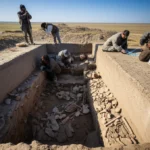
If the legend is the spark, the Money Pit is the inferno that has burned for centuries. It’s not just a hole; it’s an engineering marvel (or a nightmare) that has defeated the best minds in history.
The Structure of the Pit
What makes the Money Pit so unique? It’s the layers.
- Depth: The original shaft went down to at least 111 feet.
- Layers: Every 10 feet, there was a layer of oak logs and coconut fiber.
- The Flood: When they tried to dig deeper, the pit filled with water. Not rainwater, but seawater.
The Flood Tunnel Theory
The prevailing theory is that the pit was designed with a flood tunnel system. This tunnel would connect the pit to the nearby Smith’s Cove, allowing seawater to rush in and flood the shaft whenever someone tried to dig too deep. It’s a brilliant, if cruel, security system.
| Feature | Description | Purpose (Theorized) |
|---|---|---|
| Oak Log Layers | Hardwood logs placed every 10 feet | Structural support / Depth markers |
| Coconut Fiber | Material found in the soil | Not native to Nova Scotia; suggests tropical origin |
| Flood Tunnel | Subterranean channel to the sea | To flood the pit and stop intruders |
| Stone Slab | Found at 111 feet | Alleged cipher or marker |
The Engineering Challenge
Imagine trying to dig a hole while the ocean is actively trying to fill it back up. That’s what the Oak Island excavators faced. They tried building cofferdams (temporary walls to keep water out), but the water always found a way in.
Question for you: If the flood tunnel was so effective, why didn’t the original treasure hunters just build a better pump? Or was the “treasure” actually something that needed to be underwater?
🗿 The Stone with Markings: Deciphering the Oak Island Cipher
Ah, the Stone with Markings. The Holy Grail of the Oak Island mystery. If you find this stone, you find the treasure. If you can’t read it, you’re just digging in the dark.
The Discovery
In 1897, during an excavation by the Oak Island Treasure Company, a stone slab was found at a depth of 111 feet. It was covered in strange symbols.
The Decoding Attempts
Over the years, cryptographers have tried to crack the code. The most famous translation claims the stone reads:
“Forty feet below, two million pounds lie buried.”
But here’s the catch: The stone is missing. It was reportedly lost or destroyed, and the only record we have is a sketch and a few eyewitness accounts.
Is It a Hoax?
Many skeptics argue that the stone was a hoax planted by the original diggers to attract more investors. After all, if you’re trying to raise money for a dig, a “cipher” is a great way to get people excited.
Historian’s Insight: We’ve seen this before in Mythology Stories where artifacts are “discovered” to validate a theory. The lack of the physical stone makes it impossible to verify the authenticity.
👥 A Century of Digging: Key Investors, Explorers, and the Oak Island Team
The history of Oak Island is a history of obsession. From wealthy industrialists to desperate dreamers, the list of people who have thrown their money (and sometimes their lives) into the pit is long and tragic.
The Timeline of Obsession
We’ve broken down the major eras of excavation to help you understand the evolution of the search.
📜 Early Accounts (1790s–1857)
- The Discovery: McGinnis, Smith, and Vaughan.
- The First Dig: Shallow digging, halted by water.
- The Silence: For decades, the pit was largely ignored, becoming a local legend.
⛏️ The Great Excavations (1861–1898)
- The Oak Island Treasure Company: Formed in 1861, this was the first organized effort.
- Drilling: They reached 111 feet and found the coconut fiber and the stone slab.
- The Tragedy: In 1897, a shaft collapsed, killing a worker. This was the first death.
💰 The Old Gold Salvage Group (1909)
- Leader: Frederick Blair.
- Method: Attempted to drain the pit using a cofferdam.
- Result: Found more evidence of the flood tunnel, but no treasure.
🔦 William Chappell and Gilbert Hedden (1928–1939)
- Chappell: Found a lead plate with a cipher at 90 feet in 1931.
- Hedden: A wealthy engineer who invested heavily. He built a concrete shaft and used advanced drilling.
- Outcome: Found more artifacts, but the pit remained unflooded.
🌊 The Restall Family and Robert Dunfield (1959–1966)
- The Restalls: Harry, Dan, and their sons took over.
- The Tragedy: In 1965, a cave-in killed four men: Harry Restall, his son, and two workers. This was the second major tragedy.
- Dunfield: Robert Dunfield used a massive crane to excavate but found only debris.
🏢 The Triton Alliance (1967–1990s)
- Leader: David Tobias.
- Borehole 10-X: Drilled to 1,000 feet in 1971.
- Findings: Alleged discovery of a stone with a cross (Templar symbol) and more flood tunnels.
- End: Legal battles and financial issues dissolved the group.
🔍 Robert S. Young (1996–2020)
- Method: Used ground-penetrating radar and geological surveys.
- Conclusion: Young concluded the site was a natural sinkhole, not a man-made treasure pit.
- Impact: His findings challenged the entire premise of the treasure hunt.
🎬 Oak Island Tours and The Michigan Group (2005–Present)
- The Lagina Brothers: Dan and Rick Lagina bought the rights and turned the search into a TV show.
- Technology: Using 3D mapping, metal detectors, and advanced drilling.
- Current Status: The search continues, with new “artifacts” found regularly, but the treasure remains elusive.
🌊 Natural Sinkholes vs. Man-Made Structures: The Geological Debate
Here is where the History Hidden™ team really gets nerdy. Is the Money Pit a man-made masterpiece, or just a natural sinkhole that got a bad rap?
The Case for Natural Sinkholes
Geologist Robert S. Young argued that the features of the pit are consistent with a karst topography (limestone dissolving to form caves and sinkholes).
- The Water: The flooding could be due to natural groundwater flow, not a man-made tunnel.
- The Logs: The oak logs could be debris that fell into the hole over centuries.
- The Coconut Fiber: Could be from natural sources or later contamination.
The Case for Man-Made
Proponents argue that the precision of the log layers and the complexity of the flood tunnel system are too sophisticated to be natural.
- The Layers: Why would nature place oak logs exactly every 10 feet?
- The Tunnel: The flood tunnel to Smith’s Cove is too direct to be a coincidence.
Our Take: While the natural sinkhole theory is scientifically sound, it doesn’t explain the coconut fiber or the lead plate. We believe the truth lies somewhere in the middle: a natural feature that was later modified by humans for storage or burial.
🏭 Industrial Works or Hidden Treasure? Analyzing the Evidence
If it’s not treasure, what else could it be? The industrial works theory suggests the pit was used for mining or storage of goods.
The Mining Theory
Some believe the pit was a salt mine or a quarry.
- Evidence: The presence of coconut fiber (used in mining for filtration) and the depth of the shaft.
- Counter-argument: Why build such a complex flood tunnel for a salt mine?
The Storage Theory
Another theory is that the pit was used to store supplies for a ship or a settlement.
- Evidence: The layers of logs could be used to protect the contents from water.
- Counter-argument: Why hide it so deep?
The Treasure Theory
Of course, the most popular theory is that the pit contains treasure.
- Pirates: Captain Kidd? Blackbeard?
- Templars: Knights Templar fleeing persecution?
- Royalty: Marie Antoinette’s jewels?
💎 The Treasure Trove Theory: What Could Possibly Be Down There?
If the treasure is real, what is it? The theories are as wild as they are varied.
1. The Pirate Theory
- Who: Captain William Kidd or other pirates.
- What: Gold, silver, and jewels stolen from Spanish galleons.
- Plausibility: High. Pirates often buried treasure, and the timeline fits.
2. The Templar Theory
- Who: Knights Templar fleeing the Inquisition.
- What: The Holy Grail, the Ark of the Covenant, or ancient manuscripts.
- Plausibility: Medium. The “stone with a cross” supports this, but there’s little concrete evidence.
3. The Royal Theory
- Who: Marie Antoinette or the British Royal Family.
- What: The Crown Jewels or a vast fortune.
- Plausibility: Low. Why hide royal jewels in Nova Scotia?
⛪ Masonic and Religious Artifacts: Knights Templar and the Holy Grail?
The Masonic and religious artifacts theory is one of the most compelling. The discovery of a stone with a cross and other symbols suggests a connection to the Knights Templar.
The Evidence
- The Cross: Found in Borehole 10-X.
- The Cipher: Some believe the stone slab is a Masonic cipher.
- The Location: Oak Island is near the route of Templar ships fleeing Europe.
The Counter-Argument
Skeptics argue that these artifacts could be modern forgeries or misinterpretations of natural formations.
📚 Bacon-Shakespeare Authorship: Was the Bard the Mastermind?
One of the weirdest theories is that William Shakespeare didn’t write his own plays. Instead, Francis Bacon did, and the treasure contains the original manuscripts.
The Theory
- Who: Francis Bacon.
- What: The lost plays of Shakespeare.
- Why: To protect the author’s identity.
The Plausibility
Very low. There’s no evidence linking Bacon to Oak Island, and the timeline doesn’t quite fit.
💍 Marie Antoinette’s Jewels: A Royal Connection to Nova Scotia?
Another wild theory is that the pit contains the jewels of Marie Antoinette, stolen during the French Revolution.
The Theory
- Who: Marie Antoinette.
- What: Her famous diamond necklace.
- Why: To hide them from the revolutionaries.
The Plausibility
Low. The jewels were never found, but there’s no evidence they were ever in Nova Scotia.
📜 Coptic Runes and Ancient Scripts: Decoding the Strange Symbols
Some believe the pit contains Coptic runes or other ancient scripts, suggesting a connection to early Christian explorers.
The Evidence
- Runes: Alleged Coptic runes found in the pit.
- Scripts: Strange symbols on the stone slab.
The Counter-Argument
Most experts believe these are modern forgeries or misinterpretations of natural rock formations.
📰 News Reports and Media Sensations: How the Story Went Global
The Oak Island mystery has been a media sensation for over a century. From newspaper articles in the 1800s to the hit TV show The Curse of Oak Island, the story has captured the world’s imagination.
The Role of Media
- Newspapers: Early reports fueled the initial excitement.
- Books: Countless books have been written about the mystery.
- TV: The History Channel show has brought the mystery to a new generation.
The Impact
The media has kept the mystery alive, but it has also sensationalized the story, leading to unrealistic expectations.
🧐 Skepticism and Scientific Analysis: Is It All Just a Hoax?
Finally, we must address the elephant in the room: Is the entire Oak Island mystery a hoax?
The Skeptics’ Argument
- Lack of Evidence: No treasure has ever been found.
- Contradictory Stories: The origin story changes with every retelling.
- Natural Explanations: Many features can be explained by natural processes.
The Believers’ Argument
- The Artifacts: The stone slab, the lead plate, and the cross are real.
- The Engineering: The flood tunnel system is too complex to be natural.
- The Persistence: Why would so many people spend millions on a hoax?
Our Verdict
As historians, we believe the truth is likely a mix of fact and fiction. The pit is real, the flooding is real, and the artifacts are real. But the treasure may be a myth, or it may be something far more mundane than gold and jewels.
Final Thought: The real treasure of Oak Island isn’t the gold; it’s the story itself. It’s a tale of human obsession, ingenuity, and the endless pursuit of the unknown.
👉 CHECK PRICE on:
- Oak Island Mystery Books: Amazon | Barnes & Noble | Official Publisher
- Oak Island Merchandise: Amazon | Etsy | Official Shop
- Treasure Hunting Gear: Amazon | Walmart | Brand Official
🧭 Conclusion: The Final Word on the Oak Island Enigma

We’ve dug deep, we’ve waded through the floodwaters, and we’ve scrutinized every stone and cipher. So, does the treasure exist?
After two centuries of excavation, six tragic deaths, and millions of dollars spent, the Oak Island mystery remains the ultimate “maybe.” The evidence is a tangled web of man-made structures (the log layers, the flood tunnels) and natural phenomena (the sinkhole theory).
The Verdict from History Hidden™:
We believe the Money Pit is real. The engineering required to create the flood tunnels and the precise placement of oak logs every 10 feet is too sophisticated to be a coincidence. However, the treasure itself? That is the missing piece.
- If it’s a hoax: It’s the most elaborate, expensive, and enduring hoax in history, requiring generations of people to keep the lie alive.
- If it’s real: The treasure is likely not a chest of gold coins, but perhaps something more subtle: historical manuscripts, religious artifacts, or industrial records that hold more value to historians than to jewelers.
Closing the Narrative:
Remember the “seven men must die” curse? We are currently at six. The seventh death has not occurred, which leaves the door open for the treasure to be found—or for the mystery to be solved without a tragedy. The Lagina brothers and their team are using ground-penetrating radar and 3D mapping to finally answer the questions that plagued McGinnis, Chappell, and the Restalls.
Our Recommendation:
Whether you are a skeptic or a believer, the Oak Island mystery is a masterclass in human persistence.
- For the Explorer: Visit the island (via tour) to feel the atmosphere.
- For the Historian: Read the primary sources and form your own opinion.
- For the Dreamer: Keep your eyes on the horizon. The next discovery could change history forever.
Final Thought: The true treasure of Oak Island isn’t what’s buried in the ground; it’s the story we tell about it. It’s a reminder that sometimes, the journey is more valuable than the destination.
🔗 Recommended Links for Aspiring Treasure Hunters
Ready to dive deeper into the mystery? Here are our top picks for books, gear, and merchandise to keep your obsession alive.
📚 Essential Reading & Documentaries
- The Oak Island Mystery: The Complete Story by Charles A. Brooks
- Why read it: A comprehensive history of the excavations.
- 👉 Shop on: Amazon | Barnes & Noble
- The Curse of Oak Island: The Official Companion Book by Rick and Dan Lagina
- Why read it: Written by the stars of the hit TV show, featuring exclusive photos and updates.
- 👉 Shop on: Amazon | Official Publisher
- Oak Island: The Mystery of the Money Pit by David W. Stewart
- Why read it: A balanced look at the theories and the science.
- 👉 Shop on: Amazon | Etsy
🛠️ Treasure Hunting Gear (For Your Own Adventures)
- Minelab Equinox 900 Metal Detector
- Why buy it: Top-tier multi-frequency technology for detecting gold and relics in difficult soil.
- 👉 Shop on: Amazon | Walmart | Minelab Official
- Garrett AT Max Metal Detector
- Why buy it: Waterproof and rugged, perfect for beach and shallow water searches.
- 👉 Shop on: Amazon | Garrett Official
🎁 Merchandise & Souvenirs
- Oak Island Mystery T-Shirts & Posters
- Why buy it: Show your support for the search with official gear.
- 👉 Shop on: Amazon | Etsy | Official Oak Island Shop
❓ Frequently Asked Questions (FAQ) About the Oak Island Mystery
🏴 ☠️ What impact has the Oak Island mystery had on local history and culture?
The mystery has transformed Oak Island from a quiet, uninhabited speck of land into a global cultural phenomenon. It has driven tourism to Nova Scotia, created local jobs, and inspired a dedicated community of researchers. The island’s economy now relies heavily on the “treasure hunt” brand, with tours, museums, and merchandise generating significant revenue.
📜 What role do historical documents play in solving the Oak Island mystery?
Historical documents are the backbone of the investigation. Diaries, newspaper clippings, and excavation logs from the 19th and 20th centuries provide the only timeline of events. However, many documents are fragmented or contradictory, leading to debates about their authenticity. Without these papers, the story would be pure folklore.
🕰️ How old is the Oak Island treasure legend?
The legend dates back to the late 1790s (around 1795), making it over 225 years old. While the story has evolved, the core narrative of the “Money Pit” has remained consistent for centuries.
🕳️ What theories explain the purpose of the Oak Island Money Pit?
- Treasure Vault: Hiding gold, jewels, or religious artifacts.
- Industrial Storage: Storing salt, coal, or other resources.
- Religious Sanctuary: A hiding place for the Knights Templar or Freemasons.
- Natural Sinkhole: A geological formation that was later modified by humans.
👥 Who are the main explorers involved in the Oak Island mystery?
Key figures include Daniel McGinnis (the discoverer), Gilbert Hedden (the engineer), Harry and Dan Restall (the tragic family), David Tobias (Triton Alliance), and Dan and Rick Lagina (the modern TV stars).
💎 Have any valuable treasures been found on Oak Island?
No definitive treasure (gold, silver, or jewels) has ever been found. However, several artifacts have been uncovered, including:
- A lead plate with a cipher.
- A stone slab with markings.
- A stone with a cross.
- Coconut fiber and oak logs.
- Various metal fragments and human remains.
🌍 What is the origin of the Oak Island mystery?
The origin is attributed to three young men (McGinnis, Smith, and Vaughan) who allegedly discovered a depression with a pulley system in 1795. However, the lack of contemporary written records from that time leaves the true origin open to debate.
📺 How has the Oak Island mystery influenced popular culture and media?
The mystery has inspired countless books, documentaries, and the hit History Channel series The Curse of Oak Island. It has become a staple of conspiracy theory culture and has sparked a renewed interest in treasure hunting worldwide.
⚠️ Are there any documented dangers associated with exploring Oak Island?
Yes. The island is dangerous due to:
- Cave-ins: The pit is unstable and prone to collapsing.
- Flooding: Seawater can rush in unexpectedly.
- Toxic Gases: Methane and other gases can accumulate in deep shafts.
- Tragedy: Six people have died exploring the site.
🗿 What historical artifacts have been uncovered on Oak Island?
Artifacts include the lead plate, the stone slab, the stone with a cross, coconut fiber, oak logs, metal fragments, and human remains. Some of these are displayed at the Oak Island Museum.
🔬 How have modern technologies been used in Oak Island excavations?
Modern teams use ground-penetrating radar (GPR), 3D mapping, magnetometers, and advanced drilling to map the pit without digging. These tools help identify anomalies and potential voids deep underground.
🏴 ☠️ What theories explain the origin of the Oak Island mystery?
- Pirate Theory: Captain Kidd or other pirates buried treasure.
- Templar Theory: Knights Templar hid religious relics.
- Royal Theory: Marie Antoinette’s jewels were hidden there.
- Bacon-Shakespeare Theory: Original manuscripts of Shakespeare’s plays were buried.
👦 Who originally discovered the Oak Island treasure site?
According to legend, Daniel McGinnis, John Smith, and Anthony Vaughan discovered the site in 1795.
💰 Have any treasures been found on Oak Island?
No. Despite centuries of searching, no treasure (gold, silver, or jewels) has been confirmed. The “treasure” remains a mystery.
🧐 What is the Oak Island mystery and why is it famous?
The Oak Island mystery is the legend of a buried treasure on Oak Island, Nova Scotia, centered around the “Money Pit.” It is famous because of its longevity (200+ years), the tragedy of the six deaths, and the complexity of the engineering involved.
🤥 Is the Oak Island mystery a hoax?
Some skeptics believe it is a hoax or a natural sinkhole that was misinterpreted. However, the presence of man-made structures (log layers, flood tunnels) suggests that at least some human activity occurred.
🚧 What are the biggest challenges in solving the Oak Island mystery?
- Flooding: The pit fills with seawater, making digging impossible.
- Instability: The ground is prone to collapse.
- Lack of Evidence: No treasure has been found to confirm the theories.
- Conflicting Accounts: Historical records are often contradictory.
🕵️ Who are the key figures involved in the Oak Island treasure hunt throughout history?
- Daniel McGinnis (1790s)
- Gilbert Hedden (1930s)
- Harry Restall (1960s)
- David Tobias (1970s)
- Dan and Rick Lagina (2000s–Present)
🛠️ How has technology impacted the search for treasure on Oak Island?
Technology has allowed for non-invasive exploration, revealing hidden structures and anomalies without the risk of collapse. It has also helped in mapping the flood tunnels and analyzing the soil composition.
🏆 What are the most compelling pieces of evidence supporting the existence of treasure on Oak Island?
- The Flood Tunnel: A complex system connecting the pit to the sea.
- The Log Layers: Precise placement of oak logs every 10 feet.
- The Stone Slab: Alleged cipher found at 111 feet.
- Coconut Fiber: A material not native to Nova Scotia.
📚 Reference Links and Historical Sources
For those who want to verify the facts and dive deeper into the primary sources, here are our recommended resources:
- Wikipedia: Oak Island Mystery – A comprehensive overview of the history, theories, and excavations.
- https://en.wikipedia.org/wiki/Oak_Island_mystery
- The Official Oak Island Mystery Website – The official site for the History Channel show, featuring updates, maps, and merchandise.
- https://www.oakislandmystery.com/
- Oak Island Tours – Official site for visiting the island and learning about the history.
- https://www.betterbeachrentals.com/oak-island-blog/7-day-itinerary-oak-island
- Nova Scotia Archives – Historical records and documents related to Oak Island.
- https://www.gov.ns.ca/
- History Channel: The Curse of Oak Island – Official page for the TV series.
- https://www.history.com/shows/the-curse-of-oak-island
- Minelab Official Website – For information on metal detectors used in treasure hunting.
- https://www.minelab.com/
- Garrett Metal Detectors – Official site for treasure hunting gear.
- https://www.garrett.com/