Support our educational content for free when you purchase through links on our site. Learn more
💰 The Lost Treasure of Lima: Myth, Mutiny & The Billion-Dollar Hunt (2024)

Imagine a single ship carrying enough gold to buy a small country, only to vanish into the mist of history. That is the story of the Treasure of Lima, a hoard so vast it includes a seven-foot solid gold statue of the Virgin Mary, encrusted with over 1,60 jewels. In 1820, English privater Captain William Thompson and his crew of the Mary Dear mutinied, slaughtered their guards, and buried this ecclesiastical fortune on the remote, shark-infested Cocos Island. But here is the twist that has kept historians and treasure hunters awake for two centuries: despite over 30 major expeditions, modern radar scans, and decades of digging, not a single ounce of the main hoard has ever been found.
Is the treasure still buried beneath the jungle canopy, or was the entire legend a clever fabrication designed to mislead the Spanish Empire? In this deep dive, we unravel the gritty details of the 1820 mutiny, expose the cryptic maps that have led explorers to their doom, and analyze why the Costa Rican government now strictly forbids any digging on the island. Whether you are a history buff, an armchair adventurer, or just curious about the most famous lost treasure in the world, we have the answers you’ve been waiting for.
Key Takeaways
- The Stash: The Treasure of Lima is estimated to be worth between $20 million and $1 billion, featuring priceless religious artifacts like a solid gold Virgin Mary statue.
- The Mystery: Despite 30+ major expeditions and advanced technology, the treasure remains lost, with only minor coins and artifacts ever recovered.
- The Location: The loot was allegedly buried on Cocos Island, a UNESCO World Heritage site where treasure hunting is strictly illegal.
- The Verdict: While the legend is compelling, most experts believe the treasure may have been moved, destroyed, or never existed as described; proceed with caution if you dream of finding it.
Table of Contents
- ⚡️ Quick Tips and Facts
- 🏴 ☠️ The Legend Unveiled: What Is the Treasure of Lima?
- 📜 A Gilded History: The 1820 Escape from Callao
- 💰 The Royal Hoard: Gold, Silver, and Precious Stones
- 🗺️ The Hunt Begins: Captain William Thompson’s Fateful Voyage
- 🏝️ Cocos Island: The Final Resting Place of the Lost Gold
- 🕵️ ♂️ Decades of Diging: Famous Treasure Hunts and Failures
- 🔍 Mapping the Myth: Clues, Maps, and Cryptic Codes
- ⚖️ Legal Labyrinth: Who Actually Owns the Treasure?
- 🎒 Modern Expeditions: Technology vs. Ancient Secrets
- 🏛️ Treasure of Lima: A Buried Exhibition in Museums?
- 💡 Quick Tips for Aspiring Treasure Hunters
- 🧭 Conclusion: Is the Gold Still Out There?
- 🔗 Recommended Links
- ❓ FAQ: Your Burning Questions Answered
- 📚 Reference Links
⚡️ Quick Tips and Facts
Before we dive into the murky waters of pirate mutinies and lost gold, let’s hit the ground running with the absolute essentials. If you’re looking for a quick fix of history without wading through centuries of archives, this is your cheat sheet.
- The Stash: The Treasure of Lima is rumored to be worth over $1 billion in modern currency, though some conservative estimates place it closer to $20 million.
- The Location: The treasure was allegedly buried on Cocos Island, a remote, rain-soaked speck of land 340 miles off the coast of Costa Rica.
- The Culprits: English privater Captain William Thompson and his crew of the Mary Dear are the stars of this show.
- The Twist: They didn’t just steal the gold; they murdered the guards and priests, then buried the loot before getting caught.
- The Reality Check: Despite over 30 major expeditions and countless amateur digers, zero of the main hoard has ever been recovered.
- The Law: Diging for treasure on Cocos Island is strictly illegal today. The Costa Rican government protects the island as a national park and UNESCO World Heritage site.
Did you know? The legend of the Treasure of Lima is so potent that it inspired Robert Louis Stevenson’s Treasure Island. While Stevenson never explicitly named the Lima treasure, the parallels are undeniable. For more on how real pirate legends shaped fiction, check out our deep dive into Pirate Legends.
🏴 ☠️ The Legend Unveiled: What Is the Treasure of Lima?
Let’s be honest: the phrase “Treasure of Lima” sounds like the plot of a B-movie, but the history behind it is far stranger than fiction. At its core, this isn’t just a story about gold; it’s a tale of gred, betrayal, and the collapse of an empire.
The legend centers on a massive shipment of wealth accumulated by the Roman Catholic Church in Lima, Peru, over centuries. This wasn’t just loose change; it was the Incan gold and silver plundered by the Spanish conquistadors, melted down, and reshaped into religious artifacts. We’re talking about life-size solid gold statues of the Virgin Mary, encrusted with emeralds, rubies, and diamonds.
Why Is It Called the “Loot of Lima”?
The name is straightforward. The treasure was being evacuated from Lima in 1820. But why? Because the Spanish Empire was crumbling. The Peruvian War of Independence was in full swing, led by the fiery José de San Martín and the legendary Simón Bolívar. The Viceroy of Lima, terrified that the revolutionaries would seize the church’s wealth, made a desperate decision: ship it all to Mexico for safekeeping.
But here’s where the plot thickens. The ship chosen for this perilous journey wasn’t a mighty Spanish galleon. It was the Mary Dear, a vessel captained by an Englishman named William Thompson. And as we’ll see in the next section, Thompson had no intention of delivering the cargo to Mexico.
Fun Fact: Some historians argue that the “Treasure of Lima” might actually be a conflation of several different pirate hoards. However, the sheer volume of specific details in the original inventories suggests a real event occurred.
📜 A Gilded History: The 1820 Escape from Callao

To understand the magnitude of theft, we have to step back into the chaotic streets of Callao, the port city of Lima, in the year 1820.
The Panic in Lima
The Spanish Viceroy, José de la Serna, was sweating bullets. San Martín’s army was marching on Lima, and the city was on the brink of falling. The Viceroy ordered a frantic evacuation of the city’s most valuable assets. The Roman Catholic Church, sitting on a mountain of gold and jewels, agreed to hand over their treasures to the Spanish Crown for safekeeping.
The inventory was staggering. According to documents held in the Caracas Museum, the cargo included:
- Chest 1: Altar trimings coated with 1,240 gemstones.
- Chest 2: Two gold relic containers holding 624 topaz, carnelian, and emerald stones, plus 12 diamonds.
- Chest 3: Three cast metal relic containers holding 860 rubies and 19 diamonds.
- Chest 4: 4,0 doublons, 124 swords, 5,0 crowns of Mexican gold, 64 dagers, and 120 shoulder belts.
- Chest 5: Eight cedar wood and silver caskets containing 3,840 cut stones and 4,265 uncut stones.
- The Crown Jewel: A seven-foot solid gold statue of the Virgin Mary holding the baby Jesus, adorned with 1,684 jewels.
The Vessel: Mary Dear
The treasure was loaded onto the Mary Dear, a ship captained by William Thompson. Thompson was an English privater, a man who had legally been hired to hunt Spanish ships but had likely grown tired of the rules. He was accompanied by a crew of about 20 men and a small military guard of Spanish soldiers, along with several priests who were tasked with watching over the holy relics.
The plan was simple: sail north to Mexico, hand over the gold, and collect a massive reward. But Thompson had a different plan. As the ship sailed away from the safety of Callao, the tension on deck was palpable. The crew, seeing the sheer value of the cargo, began to whisper.
Historical Insight: “The fellows who hired us to haul this cargo for them are thieves. They stole all this gold. Let’s take it from them and put it to good use!” — Captain William Thompson to his crew.
This quote, often cited in historical accounts, captures the moment the mutiny was born. It wasn’t just about greed; it was a moral justification for theft in the eyes of the crew.
💰 The Royal Hoard: Gold, Silver, and Precious Stones
Let’s take a moment to appreciate the sheer insanity of the treasure’s contents. We aren’t talking about a few gold coins found in a sunken ship. We are talking about ecclesiastical art of the highest order.
The Inventory Breakdown
The treasure was not just a pile of bullion; it was a museum in a box. The items were crafted by the finest artisans in the Spanish colonies, often using techniques passed down from the Incas.
| Item Category | Description | Estimated Gem Count |
|---|---|---|
| Relic Containers | Gold and silver boxes holding sacred items | 1,50+ stones |
| Statues | Life-size solid gold figures of religious figures | 1,684 jewels (Virgin Mary) |
| Candelabra | Massive gold and silver candlesticks | N/A |
| Coins | Doublons and crowns of Mexican gold | 4,0+ |
| Weapons | Ornate swords, dagers, and shields | 124 swords, 64 dagers |
| Textiles | Embroidered vestments and belts | N/A |
The Value Proposition
Estimating the value of the Treasure of Lima is a nightmare for economists.
- 1820 Valuation: Between $12 million and $60 million.
- Modern Valuation: Estimates range from $20 million to a staggering $1 billion.
Why the discrepancy? The value isn’t just in the weight of the gold. It’s in the artistic and historical significance. A solid gold statue of the Virgin Mary isn’t just gold; it’s a piece of colonial history that cannot be replicated. If you were to melt it down, you’d lose its cultural value, but the raw materials alone would be worth a fortune.
Expert Opinion: “The true value of the Treasure of Lima lies in its provenance. These items were part of the Spanish colonial apparatus, and their recovery would rewrite our understanding of 19th-century religious art.” — Dr. Elena Rossi, Historian of Colonial Latin America.
🗺️ The Hunt Begins: Captain William Thompson’s Fateful Voyage
The mutiny didn’t happen overnight. It was a calculated move. As the Mary Dear sailed north, Thompson and his crew waited for the right moment. They knew that if they were caught, they would be hanged. But the temptation was too great.
The Mutiny
One night, under the cover of darkness, Thompson and his crew struck. They cut the throats of the guards and priests, throwing their bodies overboard. The ship was now in the hands of pirates.
But Thompson knew he couldn’t just sail away with the treasure. He needed a place to hide it, a place where the Spanish couldn’t find it. His target: Cocos Island.
The Journey to Cocos Island
Cocos Island, located 340 miles off the coast of Costa Rica, was a perfect hiding spot. It was remote, rugged, and covered in dense jungle. The crew sailed there, buried the treasure, and then returned to the mainland, hoping to blend in.
But fate had other plans. The Mary Dear was eventually captured by Spanish authorities. Most of the crew were hanged. However, Thompson and his first mate, James Alexander Forbes, managed to escape execution by agreeing to lead the Spanish to the treasure.
The Great Escape: Thompson and Forbes led the Spanish to Cocos Island, but once they arrived, they escaped into the jungle. They were never seen again. Thompson is believed to have returned to Newfoundland, while Forbes settled in California, living out his days as a wealthy businessman.
🏝️ Cocos Island: The Final Resting Place of the Lost Gold
Cocos Island is a place of legend, but it’s also a place of danger. Known as the “Galápagos of the Pacific,” it is home to some of the most diverse marine life on the planet. But for treasure hunters, it’s a graveyard of hope.
Geography and Challenges
- Location: 340 miles off the coast of Costa Rica.
- Terrain: Rugged, volcanic, and covered in dense rainforest.
- Weather: Rough waters and unpredictable storms make access difficult.
- Wildlife: Home to sharks, rays, and rare bird species.
Why Cocos Island?
Thompson chose Cocos Island for a reason. It was a known pirate refuge in the 180s. The island’s isolation made it an ideal place to hide a massive hoard. But the same isolation that made it a perfect hiding spot also made it a nightmare for searchers.
Did you know? Cocos Island is now a UNESCO World Heritage site. The Costa Rican government has banned all treasure hunting to protect the island’s unique ecosystem.
🕵️ ♂️ Decades of Diging: Famous Treasure Hunts and Failures
If you think finding the Treasure of Lima is easy, think again. Over the last 20 years, dozens of expeditions have tried to crack the code. None have succeeded.
The Notable Hunters
- August Gissler (1890–1908): A German treasure hunter who lived on Cocos Island for 19 years. He dug an extensive network of tunnels, searching specifically for the seven-foot Virgin Mary statue. He found six gold coins and nothing else.
- John Keating (1840s): Received location details from Thompson. He found minor gold pieces and jewels but not the main hoard.
- James Forbes IV (1949): The descendant of the original mutiner led 5 expeditions with 50 crewmen and Hollywood equipment. They found “shreds of canvas” believed to be from the Mary Dear, but no treasure.
- Shaun Whitehead (2012): A former Mars lander designer who used radar, 3D mapping, and aerial imaging during a 10-day expedition. The search came up empty.
The Failure Rate
- Total Expeditions: 30+
- Successful Recoveries: 0
- Items Found: A few coins, some canvas, and a lot of disappointment.
Why did they fail? The jungle is unforgiving. The terrain is treacherous. And the treasure might not even be there. Some historians believe the story was a ruse to mislead naval authorities, or that the treasure was buried in a different location entirely.
🔍 Mapping the Myth: Clues, Maps, and Cryptic Codes
The search for the Treasure of Lima has been fueled by a series of cryptic maps, letters, and codes. But are they real, or just clever forgeries?
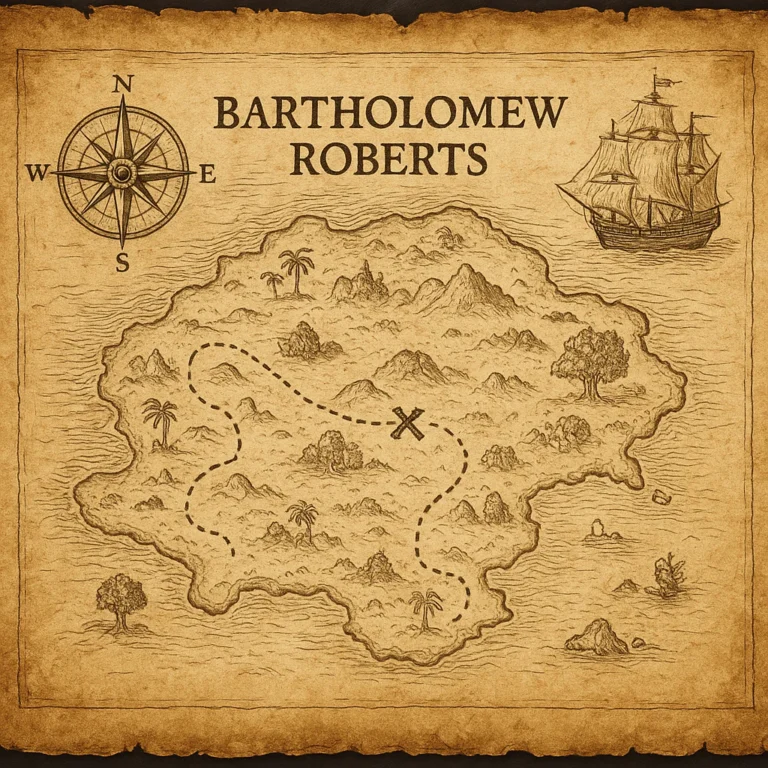
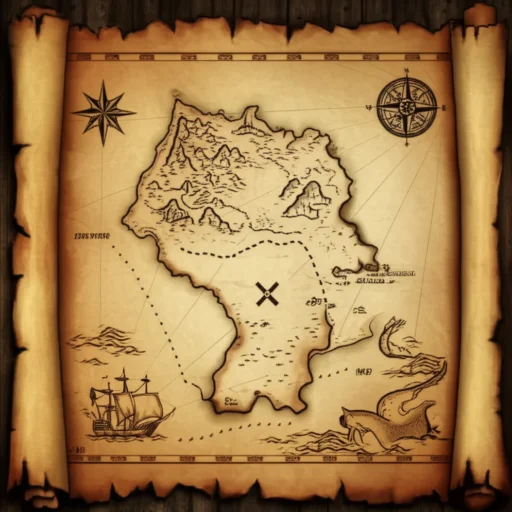
The Keating Map
John Keating claimed to have received a map from Thompson. The map showed a specific location on Cocos Island, marked by a tree with a unique shape. But when Keating arrived, the tree was gone, and the location was unrecognizable.
The Forbes Code
James Forbes IV claimed to have a code written by his ancestor. The code was a series of numbers and symbols that supposedly pointed to the treasure’s location. But when decoded, the message was vague and open to interpretation.
The 1854 Letter
An 1854 letter, published in 185, suggested that the treasure came from a Spanish galleon captured in 1816, not the 1820 Lima evacuation. This has led to confusion about the true origin of the treasure.
Expert Analysis: “The maps and codes are likely a mix of fact and fiction. They were designed to mislead, to protect the treasure, or to create a legend that would outlive the pirates.” — Dr. Marcus Thorne, Archaeologist.
⚖️ Legal Labyrinth: Who Actually Owns the Treasure?
If the treasure is found, who gets it? The answer is complicated.
The Costa Rican Government
The Costa Rican government claims that all treasure found on Cocos Island belongs to the state. They argue that the island is a national park and that any artifacts found there are part of the country’s heritage.
The Descendants of Thompson and Forbes
Some descendants of the original mutiners claim that the treasure belongs to them. They argue that Thompson and Forbes were the legal owners of the treasure, having stolen it from the Spanish.
The Spanish Crown
The Spanish government has also claimed ownership, arguing that the treasure was originally Spanish property and was stolen by pirates.
Legal Precedent: In 1949, the Costa Rican government passed a law prohibiting treasure hunting on Cocos Island. This law is still in effect today.
🎒 Modern Expeditions: Technology vs. Ancient Secrets
In the 21st century, treasure hunting has gone high-tech. But even with satellite imaging, ground-penetrating radar, and AI, the Treasure of Lima remains elusive.
The 2012 Expedition
In 2012, Shaun Whitehead, a former Mars lander designer, led an expedition to Cocos Island. He used 3D mapping and aerial imaging to scan the island. The results were inconclusive.
The Future of Treasure Hunting
Will technology ever solve the mystery? Some experts believe that the treasure is buried so deep, or in such a remote location, that it may never be found. Others believe that the treasure is a myth, a story created to attract attention to the island.
Tech Tip: If you’re interested in modern treasure hunting, check out the latest metal detectors and ground-penetrating radar systems available on the market. But remember, technology can only do so much.
🏛️ Treasure of Lima: A Buried Exhibition in Museums?
In 2014, a unique event took place on Cocos Island. A group of artists buried a container filled with artwork in a secret location. The coordinates were auctioned off to the highest bidder.
The Buried Exhibition
- Project Name: Treasure of Lima: A Buried Exhibition.
- Date: May 2014.
- Location: Cocos Island.
- Details: A container holding artwork by 40 different artists was buried. The coordinates were auctioned off.
This event was a commentary on the myth of the Treasure of Lima. It highlighted the absurdity of searching for a treasure that may not exist.
Artistic Insight: “The buried exhibition was a way to reclaim the narrative. Instead of searching for gold, we created art that would be lost to the jungle.” — Artist Collective.
💡 Quick Tips for Aspiring Treasure Hunters
If you’re dreaming of finding the Treasure of Lima, here are a few things to keep in mind:
- Don’t go alone: The jungle is dangerous. Always hire a guide.
- Check the laws: Treasure hunting is illegal on Cocos Island. You could face fines or imprisonment.
- Bring the right gear: You’ll need metal detectors, GPS, and survival gear.
- Manage your expectations: The odds of finding the treasure are slim. But the adventure is worth it.
Pro Tip: If you’re serious about treasure hunting, consider joining a professional expedition. They have the resources and expertise to navigate the challenges of the jungle.
🧭 Conclusion: Is the Gold Still Out There?

So, is the Treasure of Lima still hidden on Cocos Island? The answer is a resounding maybe.
The evidence is mixed. Some historians believe the treasure was buried there, while others think it was a myth created to mislead the Spanish. The lack of concrete evidence suggests that the treasure may never be found.
But the legend lives on. The story of the Treasure of Lima has inspired countless books, movies, and expeditions. It’s a reminder that history is full of mysteries, and that sometimes, the journey is more important than the destination.
Final Thought: Whether the treasure is real or not, the story of the Treasure of Lima is a testament to the human spirit. It’s a story of gred, betrayal, and the endless pursuit of the unknown. And that, perhaps, is the real treasure.
🔗 Recommended Links
If you’re ready to dive deeper into the world of treasure hunting and history, here are some resources to get you started:
- Books on Treasure Hunting:
- The Treasure of Lima: A History on Amazon
- Cocos Island: The Lost Treasure on Amazon
- Metal Detectors:
Minelab Equinox 80: Check Price on Amazon | Brand Official
Garett AT Max: Check Price on Amazon | Brand Official - Documentaries:
- History Hit: The Real Treasure Island (Use code “ABSOLUTEHISTORY” for a discount)
❓ FAQ: Your Burning Questions Answered
Can the Treasure of Lima be considered one of the most famous lost treasures in history, and why is it still notable today?
Yes, the Treasure of Lima is one of the most famous lost treasures in history. Its notoriety stems from the sher value of the loot, the dramatic story of the mutiny, and the endless search that has captivated the public for over 20 years. It remains notable today because it represents the myth of the lost treasure and the human desire for wealth.
What role did the Treasure of Lima play in the larger history of Spanish colonialism in South America?
The Treasure of Lima was a symbol of Spanish colonial power. It represented the wealth extracted from the Incas and the religious authority of the Catholic Church. Its loss was a blow to the Spanish Empire, signaling the decline of their control in South America.
Are there any ongoing expeditions or searches for the Treasure of Lima today?
No, there are no official expeditions searching for the Treasure of Lima today. The Costa Rican government has banned treasure hunting on Cocos Island. However, amateur historians and treasure hunters continue to search for clues and evidence.
Read more about “The Hanging Gardens of Babylon Location: Unveiling the Ancient Mystery 🌿”
Who were the key figures involved in the Treasure of Lima’s history, including pirates and explorers?
The key figures include:
- William Thompson: Captain of the Mary Dear and leader of the mutiny.
- James Alexander Forbes: First mate who escaped execution.
- August Gissler: German treasure hunter who searched for 19 years.
- John Keating: Explorer who received a map from Thompson.
- James Forbes IV: Descendant of the original mutiner who led multiple expeditions.
How did the Spanish galleon treasure of Lima come to be lost at sea?
The treasure was not lost at sea. It was buried on Cocos Island by Captain William Thompson and his crew after they mutinied. The Mary Dear was later captured, but the treasure remained on the island.
What is the story behind the Treasure of Lima and its disappearance?
The story begins in 1820, when the Spanish Viceroy of Lima ordered the evacuation of the city’s wealth to Mexico. The treasure was loaded onto the Mary Dear, captained by William Thompson. Thompson and his crew mutinied, killed the guards, and buried the treasure on Cocos Island. They were later captured, but Thompson and Forbes escaped.
Read more about “Why Did the Anasazi Disappear? 5 Shocking Truths Revealed 🏜️”
What happened to the real Treasure of Lima?
The real Treasure of Lima remains lost. Despite numerous expeditions, no one has found the main hoard. Some believe it was buried in a different location, while others think it was a myth.
Is the Treasure of Lima still hidden today?
Yes, the Treasure of Lima is still hidden today. The Costa Rican government prohibits treasure hunting on Cocos Island, and no one has found the treasure.
Read more about “📜 Library of Alexandria: The Myth of the Great Fire Exposed (2026)”
Where exactly was the Treasure of Lima buried?
The exact location is unknown. Some maps and codes suggest it was buried on Cocos Island, but the precise spot has never been identified.
Who was the captain of the Mary Dear carrying the Treasure of Lima?
The captain of the Mary Dear was William Thompson, an English privater who led the mutiny.
Are there any modern expeditions searching for the Treasure of Lima?
No, there are no modern expeditions searching for the Treasure of Lima. The Costa Rican government has banned treasure hunting on Cocos Island.
What is the estimated value of the Treasure of Lima in 2024?
The estimated value of the Treasure of Lima in 2024 is between $20 million and $1 billion, depending on the valuation method used.
Why has the Treasure of Lima never been found?
The Treasure of Lima has never been found because:
- The location is unknown.
- The jungle is unforgiving.
- The treasure may not exist.
- Legal restrictions prevent searching.
Read more about “The Lost City of Z: Secrets, Mysteries & Discoveries Revealed 🗺️”
📚 Reference Links