Support our educational content for free when you purchase through links on our site. Learn more
Why Is There a Forbidden Zone in Mongolia? 🏔️

Mongolia’s “forbidden zone” exists because Burkhan Khaldun and the surrounding Ikh Khorig became sacred, historically sensitive, politically restricted, and environmentally protected. The area is linked to Genghis Khan, possible royal burials, ancient spiritual traditions, Soviet-era controls, and modern conservation rules.
So, why is there a forbidden zone in Mongolia? The answer is not simply “a secret tomb.” The famous restricted landscape in Khentii Province is a layered cultural site where sacred customs, royal memory, border security, and wilderness protection overlap.
The most famous location is Burkhan Khaldun, a forested mountain associated with Genghis Khan’s early life and possible burial place. The UNESCO World Heritage Centre recognizes the mountain and its surrounding sacred landscape for precisely this blend of history, spirituality, and nature.
Here’s the twist: the entire Khentii region is not one giant no-entry circle. The historic Ikh Khorig, the much larger Soviet-restricted area, and the modern Khan Khentii protected landscape are often blended together in popular articles. That confusion makes the mystery sound even bigger.
One traditional account says that after finding refuge on Burkhan Khaldun, Temüjin prayed to the mountain and vowed to honor it. Centuries later, access remained so restricted that the mountain became less a tourist attraction than a cultural boundary: a place where curiosity is expected to stop at the tree line.
The tomb of Genghis Khan may be hidden somewhere in this landscape, but no archaeological discovery has confirmed it. The more defensible conclusion is that Mongolia is protecting a sacred heritage site and fragile wilderness, while an 800-year-old burial mystery continues to attract attention.
Key Takeaways
- The forbidden zone is primarily associated with Ikh Khorig and Burkhan Khaldun in Mongolia’s Khentii Province.
- Sacred mountain traditions and royal burial customs created the earliest restrictions.
- Soviet authorities expanded access controls partly because Genghis Khan represented Mongolian national identity.
- Modern conservation rules protect forests, wildlife, archaeological features, and sacred sites.
- Genghis Khan’s tomb has not been conclusively found, despite expeditions and remote-sensing surveys.
- Not every part of Khentii is forbidden, but sacred peaks, protected areas, and border-sensitive locations may require permission.
- The phrase “forbidden zone” hides several different boundaries, which explains conflicting reports about its size.
- The best way to visit the region is with a licensed local guide, proper permits, and deep respect for Mongolian customs.
Table of Contents
- ⚡️ Quick Tips and Facts
- What “Forbidden Zone” Means in Mongolia
- Where the Restricted Area Is Located
- Can Tourists Visit the Forbidden Zone?
- 🗺️ Mongolia’s Forbidden Zone at a Glance
- The Khentii Mountains and Burkhan Khaldun
- Khan Khentii Strictly Protected Area
- The Difference Between a Sacred Mountain and a No-Entry Zone
- 🏺 Sacred Geography and the History of Restricted Access
- Pre-Mongol Spiritual Traditions and Tengrism
- How Genghis Khan’s Connection Shaped the Region
- Why the Khentii Landscape Became Taboo
- Soviet-Era Restrictions and Closed Borders
- 🕵️ Theories About Why There Is a Forbidden Zone in Mongolia
- Religious Prohibition and Sacred Mountain Rules
- Environmental Protection and Wildlife Conservation
- Military, Border, and Security Explanations
- Archaeological Secrets and Hidden Tomb Claims
- The Search for Genghis Khan’s Burial Site
- What Evidence Supports Each Theory?
- 🔍 Is Genghis Khan’s Tomb Hidden Inside the Forbidden Zone?
- The Secret Burial Tradition
- Historical Accounts of the Khan’s Final Resting Place
- Archaeological Expeditions in the Khentii Mountains
- Why No Confirmed Tomb Has Been Found
- Separating History From Internet Myth
- 🌿 Wildlife, Landscapes, and Conservation in the Restricted Area
- Taiga, Stepe, Rivers, and Alpine Ecosystems
- Rare Animals of the Khentii Region
- Why Access Controls Protect Mongolia’s Wilderness
- UNESCO Recognition and International Protection
- 🚫 What Is Actually Forbidden?
- Climbing or Entering Burkhan Khaldun
- Taking Photographs, Camping, or Collecting Artifacts
- Hunting, Mining, and Off-Road Travel
- Local Customs Visitors Must Respect
- 🧭 Can You Visit Mongolia’s Forbidden Zone Legally?
- Permitted Visitor Areas Near Khan Khentii
- Travel Permits, Protected-Area Rules, and Border Permissions
- Why a Licensed Local Guide Matters
- What Happens If You Ignore the Restrictions?
- 🎒 Planning a Respectful Khentii Mountains Trip
- Best Time to Visit Eastern Mongolia
- How to Reach the Khentii Region
- What to Pack for Remote Mongolian Wilderness
- Safety Tips for Weather, Roads, and Wildlife
- Responsible Tourism and Leave-No-Trace Practices
- 🏛️ Nearby Historical and Cultural Attractions
- Genghis Khan’s Birthplace and the Onon River
- The Genghis Khan National Museum and Equestrian Statue
- Khökh Nuur and Other Sacred Sites
- Mongolian Monasteries, Ovos, and Pilgrimage Routes
- 📚 What Historians and Archaeologists Actually Know
- Primary Sources About Genghis Khan’s Homeland
- Modern Satellite Surveys and Remote Sensing
- The Role of Oral History in Mongolian Heritage
- Why the Mystery Continues
- 🌐 Why Mongolia’s Forbidden Zone Captivates the Internet
- Viral Stories About an 800-Year-Old Secret
- How Travel Articles and Documentaries Frame the Mystery
- The Difference Between a Restricted Heritage Site and a Conspiracy
- How to Evaluate Claims About Hidden Mongolian Ruins
- 🧠 Common Myths About Mongolia’s Forbidden Zone
- Myth: The Entire Khentii Region Is Completely Inaccessible
- Myth: Every Restricted Area Contains Buried Treasure
- Myth: Genghis Khan’s Tomb Has Definitely Been Located
- Myth: Foreign Visitors Are Automatically Banned
- ❓ Questions to Ask Before Visiting the Khentii Region
- Do You Need a Permit or Special Authorization?
- Can You Hike Near Burkhan Khaldun?
- Are Drones Allowed in Protected Areas?
- Can You Hire a Guide in Ulaanbatar?
- ✅ A Clear Answer: Why Is There a Forbidden Zone in Mongolia?
- Conclusion
- Recommended Links
- FAQ
- Reference Links
Quick Tips and Facts
If you want the short answer first: Mongolia’s “forbidden zone” exists because a sacred mountain, a possible royal burial landscape, centuries of customary protection, Soviet-era political control, and modern conservation rules overlap in one remote region. The most famous restricted core is Ikh Khorig, or “Great Taboo,” around Burkhan Khaldun in Khentii Province.
The first line of the mystery is also the most famous: the cursed tomb of Genghis Khan has never been conclusively identified. That missing tomb is the hook, but it is not the whole explanation.
| Fact | Best-supported answer |
|---|---|
| What is the forbidden zone? | Ikh Khorig, a historically restricted sacred landscape associated with Burkhan Khaldun |
| Where is it? | Khentii Aimag, northeastern Mongolia |
| Why was it restricted? | To protect sacred ground and royal burials, later reinforced by political and conservation controls |
| Is it one giant sealed-off area? | Not exactly. The historic core, Soviet restricted zone, and modern protected landscape are often blended together |
| Is Genghis Khan’s tomb confirmed there? | No. It is a persistent tradition, not an archaeological fact |
| Can tourists visit? | Some surrounding areas may be accessible with permissions and local guidance; the sacred core is not an ordinary hiking destination |
| What should visitors do? | Treat the site as a living sacred landscape, follow permits, avoid unauthorized entry, and never disturb graves or ritual objects |
Five facts worth remembering
- Ikh Khorig means “Great Taboo.”
- Burkhan Khaldun is associated with Genghis Khan’s youth, prayers, and burial tradition.
- Traditional guardians known as the Darkhad reportedly protected the area for centuries.
- The Soviet government expanded restrictions in the twentieth century, partly because Genghis Khan had become a powerful symbol of Mongolian identity.
- The larger surrounding landscape is protected today through the Khan Khentii Strictly Protected Area and UNESCO recognition of the sacred landscape. UNESCO describes the site here.
The crucial distinction
There are at least three overlapping “forbidden zones” in popular accounts:
- The historic Ikh Khorig core, tied to sacred and royal burial traditions.
- The much larger Soviet-era restricted area, created for security and political reasons.
- The modern Khan Khentii protected landscape, governed by environmental and heritage regulations.
That distinction solves one of the article’s biggest puzzles: why one source describes a compact 240-square-kilometer taboo area while another talks about roughly 10,400 square kilometers or even larger figures. These numbers refer to different boundaries and different periods, not necessarily contradictory maps.
Mongolia’s Forbidden Zone at a Glance
What “Forbidden Zone” Means in Mongolia
The English phrase sounds like something from a spy thriller: a red line on a map, guards in dark coats, and a secret hidden beneath the forest. The Mongolian term Ikh Khorig is more culturally specific. “Great Taboo” points toward sacred prohibition, not merely modern military secrecy.
The area is connected to the Khentii mountain region, particularly Burkhan Khaldun, a place deeply associated with Temüjin, later known as Genghis Khan. According to the Secret History of the Mongols, after escaping danger in the mountains, he developed a lasting relationship with the sacred landscape and vowed to honor it.
The UNESCO World Heritage Centre describes Burkhan Khaldun and its surrounding sacred landscape as a place linked to religious practices, pilgrimage, and the cultural memory of the Mongol Empire.
Where the Restricted Area Is Located
The core landscape lies in Khentii Aimag, where forested mountains, open stepe, rivers, and remote valleys create a natural barrier. Burkhan Khaldun sits within the wider Khan Khentii Strictly Protected Area, established in 1992.
| Name | Meaning or role | Why it matters |
|---|---|---|
| Khentii Aimag | Eastern Mongolian province | Administrative setting of the sacred landscape |
| Khentii Mountains | Forest-stepe mountain system | Genghis Khan’s traditional homeland |
| Burkhan Khaldun | Sacred mountain | Central religious and historical landmark |
| Ikh Khorig | “Great Taboo” | Historic restricted burial landscape |
| Khan Khentii Strictly Protected Area | Modern protected area | Conservation framework surrounding the region |
| Great Burkhan Khaldun Mountain and its surrounding sacred landscape | UNESCO World Heritage property | Internationaly recognized heritage site |
Maps often become slippery here. A popular video about the area, referenced in the article’s featured video, describes a zone of approximately 4,700 square miles. That figure may reflect a broad protected or restricted landscape rather than the historic Ikh Khorig core. Meanwhile, the commonly cited 240-square-kilometer figure refers to the traditional “Great Taboo.”
Our historians’ advice: whenever you see a dramatic area measurement, ask, “Which boundary, and from which century?”
Can Tourists Visit the Forbidden Zone?
Not as a casual sightseeing stop. Travelers may visit parts of the Khentii region, but access to sacred peaks, protected areas, border-adjacent zones, and archaeological locations can require authorization.
A responsible trip usually involves:
- A licensed Mongolian guide or tour operator
- Confirmation of protected-area rules
- Any required border-zone or local permissions
- Respect for restrictions around Burkhan Khaldun itself
- No excavation, artifact collecting, or unauthorized drone use
Mongolia’s tourism authorities and local protected-area offices are the best sources for current rules because regulations can change. The Mongolian Ministry of Environment and Tourism and Mongolia’s official tourism portal are useful starting points.
✅ You can explore the broader cultural region with planning.
❌ You should not assume that a GPS route or social-media post gives permission to enter a sacred restricted area.
Sacred Geography and the History of Restricted Access

Pre-Mongol Spiritual Traditions and Tengrism
Mongolian sacred geography predates the Mongol Empire. Mountains, rivers, springs, and the sky could be treated as spiritually powerful beings or places. These traditions are often discussed under the broad label of Tengrism, although historians caution that the term can flatten several changing beliefs into one neat package.
A mountain was not simply scenery. It could be:
- A place of ancestral presence
- A protector of people and animals
- A site for offerings and prayers
- A boundary between ordinary space and sacred space
The modern practice of honoring ovoo, stone cairns often associated with local ritual, reflects the continuing cultural significance of landscape. Visitors should walk around an ovo clockwise, avoid taking stones, and never treat ritual objects as souvenirs.
For more context, our Folklore and Legends archive explores how sacred landscapes become storytelling landscapes. The difference matters: a legend may preserve cultural memory without functioning as a literal map.
How Genghis Khan’s Connection Shaped the Region
The Secret History of the Mongols, one of the most important sources for early Mongol history, places Temüjin in a landscape of danger, refuge, kinship, and spiritual power. The text recounts his connection to Burkhan Khaldun and includes a passage commonly translated along the lines of:
“What a beautiful view! Bury me here when I pass away.”
Translations vary, so we should not treat one English sentence as a courtroom transcript. Still, the broader tradition is clear: Burkhan Khaldun was central to the origin story of Genghis Khan and to later ideas about his burial place.
The mountain’s importance rests on several connections:
- Temüjin’s early life unfolded near the Khentii region.
- Burkhan Khaldun was associated with his escape from enemies.
- He reportedly made regular offerings and prayers there.
- Later generations connected the mountain to the final resting places of Mongol rulers.
The mountain therefore became both a biographical landmark and a dynastic shrine.
Why the Khentii Landscape Became Taboo
The sacred status of Burkhan Khaldun alone may not explain centuries of severe access restrictions. The taboo became stronger because several factors reinforced one another:
- Sacred geography: the mountain was spiritually protected.
- Dynastic memory: royal burials may have been connected to the region.
- Security: protecting graves protected political legitimacy.
- Landscape: forests and mountains made surveillance easier than it sounds.
- Custom: repeated restrictions became inherited tradition.
- Fear of disturbance: opening graves could be seen as spiritually dangerous or culturally disrespectful.
The resulting system was not a single law invented one afternoon. It was more like a thick rope braided from religion, royal authority, geography, and fear.
Soviet-Era Restrictions and Closed Borders
After the Mongolian People’s Republic was established in 1924, the political meaning of Genghis Khan changed dramatically. Soviet-aligned authorities often treated him as a symbol that could encourage Mongolian nationalism and challenge socialist internationalism.
The area around Burkhan Khaldun was reportedly designated a highly restricted zone, and the controlled perimeter became much larger than the traditional Ikh Khorig core. This is one reason modern summaries sometimes describe an enormous “forbidden zone.”
| Period | Main reason for restriction | Character of control |
|---|---|---|
| Before the Mongol Empire | Sacred landscape traditions | Ritual and customary |
| Mongol and post-Mongol eras | Royal burials and dynastic protection | Guarded, hereditary, politically sensitive |
| 1924–1990 | Security and suppression of nationalist symbolism | State restriction |
| Since 1990 | Heritage, conservation, cultural respect, and access regulation | Protected-area management |
The Soviet-era story is not merely an entertaining footnote. It explains why a sacred tradition survived into a modern bureaucratic system.
Theories About Why There Is a Forbidden Zone in Mongolia
Religious Prohibition and Sacred Mountain Rules
The most straightforward explanation is also the one most likely to be overlooked: people restricted access because they believed the mountain was sacred.
Not every prohibition conceals treasure. Some prohibit behavior because the community believes the place itself deserves protection. In this case, taboo could mean:
- No unnecessary climbing
- No hunting
- No cutting trees
- No disturbing graves
- No casual camping
- No disrespectful behavior
- No removal of stones, objects, or offerings
This interpretation aligns with UNESCO’s description of the site as a sacred cultural landscape, not merely an archaeological puzzle.
Environmental Protection and Wildlife Conservation
The modern protected-area explanation is equally important. Khan Khentii contains forest-stepe ecosystems that support wildlife and protect watersheds. Limiting roads, hunting, mining, and mass tourism can preserve a landscape that would otherwise be damaged by vehicle tracks, litter, fires, and illegal extraction.
The International Union for Conservation of Nature provides broader context on protected-area management, while Mongolia’s protected-area framework reflects the country’s effort to balance conservation with pastoral livelihoods.
This is where the romantic mystery meets practical administration. Even if no tomb existed, protecting the region would still make environmental sense.
Military, Border, and Security Explanations
Eastern and northeastern Mongolia include areas near international borders. Remote borderlands often have stricter controls for reasons unrelated to archaeology:
- Preventing unauthorized crossings
- Protecting military infrastructure
- Controlling smuggling
- Managing sensitive roads and communications
- Limiting foreign surveying or photography
That does not prove a secret military installation lies beneath Burkhan Khaldun. It does explain why a traveler can encounter restrictions that feel more severe than ordinary national-park rules.
Archaeological Secrets and Hidden Tomb Claims
The most seductive theory says the forbidden zone protects the burial of Genghis Khan or other Mongol rulers. This belief has deep historical roots, but the location remains unconfirmed.
The argument usually runs like this:
- Genghis Khan was connected to Burkhan Khaldun.
- Royal burials were meant to be hidden.
- The area was guarded for centuries.
- Access restrictions preserved the mystery.
- Therefore, the tomb must be there.
The first four points are historically plausible or widely reported. The final “therefore” is not proven.
There may be graves in the region. There may even be elite burials. But a protected sacred landscape is not automatically a confirmed tomb site.
The Search for Genghis Khan’s Burial Site
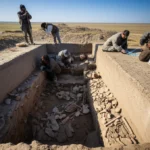
The search has inspired historians, archaeologists, remote-sensing specialists, treasure hunters, and television crews. Some projects have used satellite imagery, geographic modeling, ground surveys, and non-invasive techniques.
A widely discussed Mongolian-Japanese project, known as the Three Rivers expedition, operated in the region after Mongolia opened more historical space for studying Genghis Khan. Reports associated with the expedition claimed that ultrasound or geophysical methods identified numerous possible graves, sometimes cited as 1,380 potential noble burials.
That number needs careful handling:
- “Possible graves” does not mean excavated, identified, or attributed to Genghis Khan.
- Remote sensing can detect anomalies, but anomaly is not automatically a tomb.
- Many Mongolians oppose intrusive excavation because of religious and cultural concerns.
- Archaeological conclusions require independent verification, documentation, and context.
What Evidence Supports Each Theory?
| Explanation | Evidence strength | What it explains well | What it does not prove |
|---|---|---|---|
| Sacred mountain tradition | High | Ritual restrictions and cultural reverence | The exact tomb location |
| Royal burial landscape | Moderate | Long-term secrecy and dynastic protection | That Genghis Khan is buried there |
| Soviet political control | High | Large twentieth-century restricted perimeter | Ancient origins of the taboo |
| Environmental conservation | High for modern policy | Protected-area regulations | Medieval burial traditions |
| Military or border security | Variable | Some present-day access controls | A hidden archaeological secret |
| Secret tomb theory | Possible but unconfirmed | Popular mystery and oral tradition | The existence of a verified burial chamber |
The responsible answer is therefore layered: there is no single explanation that covers every century.
Is Genghis Khan’s Tomb Hidden Inside the Forbidden Zone?
The Secret Burial Tradition
The Mongol elite understood that a ruler’s grave could become a political shrine, a treasure target, or a rallying point for enemies. Concealing a burial could protect the body, the dynasty, and the symbolic power of the grave.
Popular accounts describe elaborate secrecy: mourners killed, landscapes altered, trees planted, or large numbers of animals driven over tracks. Some stories are likely later embellishments. Medieval sources do not provide a secure, detailed burial plan that resolves the mystery.
The key historical point is simpler: the exact tomb was not publicly preserved in a reliable surviving record.
Historical Accounts of the Khan’s Final Resting Place
Genghis Khan died in 1227. The Secret History of the Mongols is indispensable but does not provide a modern survey coordinate. Other sources, including Persian chronicles, contribute to the historical picture but also leave ambiguity.
The tradition connecting him to Burkhan Khaldun is strong because:
- He had a personal relationship with the mountain.
- The landscape lay near his ancestral homeland.
- The area had sacred status.
- Royal burial secrecy was plausible.
- Later Mongolian memory preserved the association.
But historians must separate “associated with” from “located at.”
Archaeological Expeditions in the Khentii Mountains
The Three Rivers project in the late 1980s and early 1990s is frequently cited in discussions of the forbidden zone. It represented a major change: scholars could investigate an area that had been politically and culturally difficult to approach.
Reported methods included:
- Remote sensing
- Geophysical surveys
- Ground reconnaissance
- Historical mapping
- Examination of burial mounds and landscape features
The work contributed to a broader understanding of the region, but it did not produce a universally accepted identification of Genghis Khan’s tomb.
Modern archaeologists generally favor non-invasive methods where local communities regard excavation as unacceptable. That is not a failure of science. Sometimes the ethical answer is to learn what can be learned without opening a grave.
Why No Confirmed Tomb Has Been Found
Several obstacles stand in the way:
- Huge search area: even the core restricted area is substantial.
- Difficult terrain: forest, steep slopes, snow, rivers, and bogs conceal traces.
- Erosion and vegetation: centuries can erase surface markers.
- Looting or concealment: burial features may have been deliberately minimized.
- Incomplete records: medieval sources are valuable but not precise maps.
- Cultural objections: communities may oppose excavation.
- False positives: natural formations can resemble archaeological features.
A satellite image can whisper, “Something is here.” It cannot automatically say, “This is the tomb of Genghis Khan.”
Separating History From Internet Myth
The internet often combines three different layers:
- Documented history
- Traditional legend
- Modern speculation
For example, the claim that Genghis Khan’s genetic legacy reaches millions of living men is based on a controversial 2003 study that identified a Y-chromosome lineage common across parts of Asia. The study suggested a possible link to a male-line ancestor associated with the Mongol Empire, but it did not prove that every carrier descends directly from Genghis Khan.
The Nature paper behind that discussion is worth reading alongside popular summaries. DNA can illuminate population history; it cannot reveal a tomb hidden under a mountain.
Wildlife, Landscapes, and Conservation in the Restricted Area
Taiga, Stepe, Rivers, and Alpine Ecosystems
The Khentii region is ecologically striking because it lies at a meeting point between:
- Siberian-style taiga forest
- Open Mongolian stepe
- Mountain valleys
- Wetlands and rivers
- Alpine and subalpine habitats
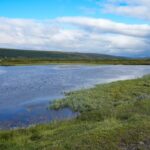
This ecological variety helps explain why conservationists care about the region independently of the Genghis Khan story. Forested headwaters and wetlands support biodiversity while also contributing to water security.
The World Wide Fund for Nature provides useful background on Mongolia’s stepe and forest ecosystems, though local protected-area management remains the most relevant source for conditions on the ground.
Rare Animals of the Khentii Region
Wildlife reported in the wider Khentii landscape may include:
- Red deer
- Siberian roe deer
- Moose
- Wild boar
- Gray wolf
- Lynx
- Brown bear
- Wolverines
- Golden eagles and other raptors
Species presence varies by habitat and survey. A traveler should never assume that a dramatic animal list guarantees sightings. The forest is not a wildlife-themed vending machine.
Conservation restrictions help reduce:
- Illegal hunting
- Disturbance during breeding seasons
- Off-road habitat damage
- Fires
- Waste and water pollution
- Unregulated construction
Why Access Controls Protect Mongolia’s Wilderness
Strict access can provide practical benefits:
| Threat | How controlled access helps |
|---|---|
| Off-road driving | Keeps vehicles from fragmenting soil and vegetation |
| Illegal hunting | Makes enforcement easier |
| Firewood collection | Protects slow-growing forest |
| Litter | Reduces waste in remote valleys |
| Archaeological loting | Limits disturbance around burial features |
| Mass pilgrimage | Prevents erosion at sacred sites |
| Unplanned construction | Preserves landscape integrity |
However, restrictions can also create problems if local communities are excluded from decision-making. Pastoralists have long used Mongolian landscapes, and conservation policies must account for livelihoods, seasonal movement, and customary rights.
UNESCO Recognition and International Protection
In 2015, UNESCO inscribed Great Burkhan Khaldun Mountain and its surrounding sacred landscape on the World Heritage List. The designation recognizes the area’s combined spiritual, historical, and environmental importance.
UNESCO status does not mean the site is “owned” by an international body or that every visitor is banned. It means Mongolia has committed to preserving the property’s outstanding cultural values under an international framework.
The designation also strengthens the case against sensational excavation. Once a landscape is valued as a whole, a single search for treasure can damage the very heritage that makes the place significant.
What Is Actually Forbidden?
Climbing or Entering Burkhan Khaldun
The phrase “no one may ever enter” is too absolute. Rules may vary by location, purpose, season, and authorization. Traditional restrictions on climbing the summit or entering certain sacred areas remain especially important.
Before traveling, ask:
- Is this exact route inside the restricted core?
- Is the activity allowed by the protected-area authority?
- Does it require a local or border permit?
- Is the visit cultural, scientific, pastoral, or recreational?
- Has a local guide confirmed the current rule?
Do not rely on a decades-old blog post.
Taking Photographs, Camping, or Collecting Artifacts
Photography may be acceptable in some areas and inappropriate or prohibited in others. The safest approach is to ask before photographing:
- Ritual sites
- Graves
- Local people
- Ceremonies
- Military or border infrastructure
- Archaeological features
Camping can also be restricted near sacred peaks or sensitive archaeological areas. Never collect:
- Potery fragments
- Bones
- Stones from ovo
- Coins
- Metal objects
- Burial goods
- Animal remains
Even a “tiny souvenir” can be an archaeological object, a ritual item, or evidence needed by researchers.
Hunting, Mining, and Off-Road Travel
These activities present some of the biggest environmental risks. In a strictly protected area:
✅ Stay on authorized roads or tracks.
✅ Use established camps where possible.
✅ Carry out all waste.
✅ Keep fires controlled and small.
❌ Do not hunt or fish without explicit legal authorization.
❌ Do not prospect for gold or minerals.
❌ Do not dig, metal-detect, or search for burial treasure.
❌ Do not drive across fragile wetlands or slopes for a better photograph.
Local Customs Visitors Must Respect
A respectful visitor should:
- Ask before entering a household or photographing residents.
- Accept hospitality graciously without demanding entertainment.
- Walk clockwise around ovo.
- Avoid touching or removing offerings.
- Keep voices low at sacred sites.
- Dress practically and respectfully.
- Follow the guide’s instructions, especially around animals and ceremonies.
- Avoid treating Genghis Khan as a costume prop.
For more cultural context, our Mythology Stories archive examines how legendary figures remain part of living traditions rather than frozen museum exhibits.
Can You Visit Mongolia’s Forbidden Zone Legally?
Permitted Visitor Areas Near Khan Khentii
The broader Khentii region offers opportunities for:
- Cultural tours
- Horse trekking
- River and forest excursions
- Visits to historic settlements
- Wildlife observation
- Meetings with local pastoral families
- Exploration of areas associated with Genghis Khan’s early life
The sacred summit and restricted core are different matters. A reputable operator should tell you plainly what is accessible and what is not. Be wary of any company promising a secret route to the tomb. That is a red flag with a Mongolian horse attached.
Travel Permits, Protected-Area Rules, and Border Permissions
Depending on your route, you may need:
- Passport and visa compliance
- Protected-area permission
- Local administrative approval
- Border-zone authorization
- Permission for photography, research, or filming
- Vehicle documentation
- A registered guide or tour operator
Requirements can change. Check with the Embassy of Mongolia or the relevant Mongolian government office before departure.
Why a Licensed Local Guide Matters
A local guide offers more than translation. The right guide can help you:
- Identify sacred boundaries
- Avoid unmarked military or border zones
- Understand seasonal road conditions
- Communicate with herder families
- Handle permits
- Prevent accidental cultural offenses
- Find safe water and campsites
- Respond to sudden weather changes
We once spoke with a Mongolian guide who described the landscape as “open, but not empty.” That phrase captures the region beautifully. A valley without fences can still be full of rules, memories, and invisible boundaries.
What Happens If You Ignore the Restrictions?
Consequences may include:
- Removal from the area
- Fines
- Confiscation of equipment
- Detention near border zones
- Legal action for trespass, illegal excavation, hunting, or photography
- Damage to relationships with local communities
The practical consequence can be worse than a fine: you may create problems for the next visitors and for local residents who depend on continued access to the landscape.
Planning a Respectful Khentii Mountains Trip
Best Time to Visit Eastern Mongolia
Summer generally offers the easiest travel conditions, but it also brings more visitors, insects, and sudden storms. Spring and autumn can beautiful yet unpredictable. Winter is severe and should be attempted only with specialist preparation.
| Season | Advantages | Challenges |
|---|---|---|
| Late spring | Fresh grass, fewer tourists | Mud, swollen rivers, unstable roads |
| Summer | Warmer weather, accessible routes | Storms, insects, busier camps |
| Early autumn | Clear skies, autumn color | Rapidly falling temperatures |
| Winter | Dramatic snow landscapes, solitude | Extreme cold, difficult transport |
How to Reach the Khentii Region
Most international visitors begin in Ulaanbatar, then travel east by road. Depending on the exact destination, the journey may involve:
- Long stretches of rough track
- Limited fuel access
- River crossings
- No mobile signal
- Mechanical problems
- Delays caused by weather
A four-wheel-drive vehicle with experienced local drivers is often more practical than attempting an improvised rental-car expedition.
What to Pack for Remote Mongolian Wilderness
Pack for self-sufficiency:
- Layered clothing
- Waterproof shell
- Warm hat and gloves
- Sturdy boots
- Sun protection
- Insect repellent
- Personal medication
- Water purification method
- Headlamp
- Power bank
- Offline maps
- Paper copies of permits
- Small first-aid kit
- Biodegradable toiletries
- Reusable water bottle
- Waste bags
For navigation, do not rely on a single phone. A Garmin satellite communicator or similar device can be useful in remote terrain, but it does not replace a guide or official permission.
👉 CHECK PRICE on:
- Garmin inReach Mini 2: Amazon | Garmin Official Website
- Garmin GPSMAP 67: Amazon | Garmin Official Website
Safety Tips for Weather, Roads, and Wildlife
- Tell someone your itinerary.
- Carry extra water and fuel.
- Expect weather to change quickly.
- Keep food sealed around camps.
- Never approach wild animals.
- Do not wander away from camp without telling your guide.
- Check river levels before crossings.
- Keep a physical map.
- Avoid driving after dark.
- Have a plan for vehicle breakdowns.
The Khentii Mountains are not “dangerous” because they are haunted. They are dangerous because they are remote.
Responsible Tourism and Leave-No-Trace Practices
Use the principles of Leave No Trace adapted to Mongolian conditions:
- Plan ahead and know the rules.
- Travel on durable surfaces.
- Dispose of waste properly.
- Leave cultural and natural objects where you find them.
- Minimize campfire impacts.
- Respect wildlife.
- Be considerate of local people.
The best souvenir is a story you can tell without having damaged the place that made it memorable.
Nearby Historical and Cultural Attractions
Genghis Khan’s Birthplace and the Onon River
The Onon River and surrounding Khentii landscapes are strongly associated with Temüjin’s early life. Exact birthplace traditions vary, and historians distinguish between cultural geography and a confirmed modern coordinate.
The landscape matters because it helps explain how Mongol power developed through:
- River valleys
- Pastoral mobility
- Clan networks
- Mountain refuges
- Seasonal movement
- Strategic knowledge of terrain
The Genghis Khan National Museum and Equestrian Statue
In Ulaanbatar, the National Museum of Mongolia and the Chingis Khaan National Museum provide essential context before heading into the countryside. They offer a useful corrective to sensational claims because they place Genghis Khan within broader Mongolian, Eurasian, and imperial history.
The Genghis Khan Equestrian Statue Complex outside Ulaanbatar is another popular attraction. It is accessible, theatrical, and enormous, while Burkhan Khaldun is quiet, remote, and sacred. Confusing the two would be like mistaking a cathedral souvenir shop for the mountain on which a pilgrimage takes place.
Khökh Nuur and Other Sacred Sites
Khökh Nuur, or Blue Lake, is traditionally connected with Temüjin’s rise and proclamation as Genghis Khan. Like many historical sites in Mongolia, its importance comes from a blend of textual sources, oral tradition, landscape, and later national memory.
Visitors should treat these sites as more than photo backdrops. Ask:
- Which details come from primary sources?
- Which come from later tradition?
- What do local communities say?
- How has the site been interpreted in different political periods?
Mongolian Monasteries, Ovos, and Pilgrimage Routes
Mongolian religious heritage includes Buddhist monasteries, sacred mountains, ovo rituals, and local pilgrimage routes. The combination can surprise visitors who expect a single, uniform belief system.
When visiting a monastery or sacred site:
- Follow posted rules.
- Dress modestly.
- Ask before photographing.
- Do not interrupt ceremonies.
- Avoid touching religious objects.
- Follow clockwise movement where customary.
What Historians and Archaeologists Actually Know
Primary Sources About Genghis Khan’s Homeland
The key source is the Secret History of the Mongols, composed in the thirteenth century and preserved through later transmission. It offers invaluable material on Temüjin’s family, alliances, conflicts, and spiritual geography.
Other important source traditions include:
- Persian histories
- Chinese dynastic records
- Armenian and European accounts
- Archaeological evidence
- Mongolian oral traditions
- Landscape and place-name studies
No source alone provides a complete answer. A medieval chronicle may preserve memory but lack coordinates. An archaeological survey may locate structures but not identify their occupants. Oral tradition may preserve sacred meaning even when chronology is fluid.
Modern Satellite Surveys and Remote Sensing
Remote sensing can help archaeologists identify:
- Burial mounds
- Ancient roads
- Enclosures
- Field systems
- Soil disturbances
- Possible structures
But technology is not magic. Satellite imagery can be obscured by:
- Forest cover
- Snow
- Shadow
- Erosion
- Natural geological patterns
- Poor resolution
- Incomplete ground verification
The strongest archaeological claims combine remote sensing with field inspection, dating, artifacts, stratigraphy, and transparent publication.
The Role of Oral History in Mongolian Heritage
Oral traditions have preserved names, routes, genealogies, sacred boundaries, and stories of rulers. They should not be dismissed simply because they do not resemble a modern archive.
At the same time, oral history should be interpreted carefully:
- Stories change through retelling.
- Different communities may preserve different versions.
- Later nationalism can reshape older traditions.
- A symbolic story may not be a literal geographical instruction.
The best historians do not force oral tradition into a yes-or-no contest with archaeology. They ask what each kind of evidence can actually tell us.
Why the Mystery Continues
The mystery survives because the evidence is incomplete and the landscape is protected. Those two facts reinforce each other:
- Limited access reduces direct investigation.
- Limited investigation preserves uncertainty.
- Uncertainty encourages new theories.
- New theories attract attention and tourism.
- Tourism increases pressure for access.
- Cultural objections strengthen the case for restraint.
That cycle is why the tomb remains one of history’s most durable unanswered questions.
Why Mongolia’s Forbidden Zone Captivates the Internet
Viral Stories About an 800-Year-Old Secret
The phrase “800-year-old secret” is irresistible because it compresses an enormous historical problem into a dramatic headline. It suggests that someone knows the answer but refuses to share it.
The reality is more interesting: the secret is not necessarily a hidden chamber; it is the persistence of uncertainty across eight centuries.
Popular articles often repeat lines such as “carefully guarded for most of its history” or describe a “Great Taboo.” Those phrases capture genuine traditions, but they can blur:
- Ancient custom
- Soviet state policy
- Modern conservation
- Internet exaggeration
How Travel Articles and Documentaries Frame the Mystery
Travel media tends to emphasize:
- The lost tomb
- The giant restricted area
- The bodyguard tradition
- The possibility of treasure
- The forbidding landscape
- Genghis Khan’s global legacy
Those are compelling entry points. However, a responsible account must also include:
- Local spiritual beliefs
- Environmental protection
- Pastoral livelihoods
- The difference between restricted zones
- Ethical limits on excavation
- Uncertainty in the evidence
The accessible summary of the first video emphasizes Burkhan Khaldun, strict prohibitions, multiple burial theories, and a broad zone of roughly 4,700 square miles. It also mentions dramatic stories that Genghis Khan may have been poisoned, struck by lightning, or cursed. These are legendary possibilities, not established causes of death.
The Difference Between a Restricted Heritage Site and a Conspiracy
A restricted site may have perfectly ordinary reasons for limited access:
- Conservation
- Sacred custom
- Security
- Dangerous terrain
- Border control
- Archaeological preservation
A conspiracy theory assumes hidden coordination and secret knowledge. There is no need to invoke a grand conspiracy to explain why Mongolia protects Burkhan Khaldun. A sacred mountain with possible royal burials is already reason enough.
How to Evaluate Claims About Hidden Mongolian Ruins
Use this quick test:
| Question | Why it matters |
|---|---|
| Does the claim name a source? | Vague “experts say” language is weak |
| Is the source primary or secondary? | A translated chronicle differs from a blog |
| Are measurements clearly defined? | Core zones and broad regions get confused |
| Does “possible” become “confirmed”? | Common problem in archaeology reporting |
| Is the claim independently verified? | One expedition may not settle an issue |
| Does the story respect local objections? | Ethics are part of the evidence context |
| Is the date correct? | Soviet, medieval, and modern restrictions differ |
Common Myths About Mongolia’s Forbidden Zone
Myth: The Entire Khentii Region Is Completely Inaccessible
False. The Khentii region is vast, and access varies. Some areas can be visited with planning, while sacred peaks, archaeological locations, and protected zones may have special restrictions.
The phrase “forbidden zone” often turns a layered geography into one giant red circle.
Myth: Every Restricted Area Contains Buried Treasure
False. Protected land may contain biodiversity, sacred places, military facilities, or fragile archaeological remains. The treasure-hunting interpretation is a modern fantasy layered onto a much older cultural landscape.
Myth: Genghis Khan’s Tomb Has Definitely Been Located
False. No discovery has achieved broad scholarly acceptance as the confirmed tomb of Genghis Khan.
Possible graves and archaeological anomalies are not the same as a verified royal burial.
Myth: Foreign Visitors Are Automatically Banned
Usually false, but access is conditional. Foreign travelers may visit parts of Khentii through legal, guided, and permitted arrangements. The key question is not nationality alone. It is where you are going, why you are going, and whether you have authorization.
Myth: The Forbidden Zone Exists Only Because of Genghis Khan
Incomplete. Genghis Khan is central to the cultural story, but modern restrictions also reflect:
- Environmental conservation
- Border security
- Soviet political history
- Archaeological protection
- Local religious practice
Myth: Satellite Technology Must Have Found the Tomb by Now
False. Remote sensing can identify patterns, but forests, terrain, deliberate concealment, and ethical restrictions make the search difficult. Technology narows possibilities; it does not eliminate uncertainty.
Questions to Ask Before Visiting the Khentii Region
Do You Need a Permit or Special Authorization?
Possibly. Requirements depend on your itinerary and whether you enter protected, restricted, or border-adjacent areas.
Ask your tour operator to confirm:
- Protected-area permission
- Border-zone authorization
- Local administrative requirements
- Photography restrictions
- Vehicle permissions
- Seasonal closures
Get the answer in writing where possible.
Can You Hike Near Burkhan Khaldun?
You may be able to travel in the broader landscape, but hiking near the sacred mountain is not the same as climbing or entering the sacred core. Follow local instructions and do not treat a lack of fencing as permission.
Are Drones Allowed in Protected Areas?
Do not assume they are. Drones may be restricted because of:
- Protected-area regulations
- Privacy
- Sacred-site etiquette
- Border security
- Military sensitivity
- Aviation rules
Ask the relevant authority before packing one. A drone shot is not worth turning a heritage visit into a legal problem.
Can You Hire a Guide in Ulaanbatar?
Yes, but choose carefully. Look for an operator with:
- Mongolian registration
- Experience in Khentii
- Protected-area knowledge
- Clear permit procedures
- Local partnerships
- Emergency planning
- Transparent itineraries
- Respect for sacred-site restrictions
Avoid companies promising “secret access,” artifact hunting, or a guaranteed tomb discovery.
A Clear Answer: Why Is There a Forbidden Zone in Mongolia?
Mongolia’s forbidden zone exists because Burkhan Khaldun and the surrounding Ikh Khorig became sacred, historically significant, politically sensitive, and environmentally valuable at the same time.
The story unfolds in layers:
- Sacred mountain: Burkhan Khaldun was tied to Mongolian spiritual traditions.
- Genghis Khan’s homeland: the mountain was connected to Temüjin’s early life and personal devotion.
- Royal burial tradition: the region became associated with hidden graves and dynastic memory.
- Hereditary guardianship: the Darkhad reportedly protected the area for centuries.
- Soviet restriction: the state expanded controls to suppress nationalist symbolism and manage security.
- Modern conservation: Mongolia protected the wider ecosystem and cultural landscape.
- UNESCO recognition: international heritage status reinforced preservation.
So, is Genghis Khan buried there? Possibly, according to tradition. Not proven by archaeology.
Is the entire region forbidden? No. Different restrictions apply to different boundaries and activities.
Is there an “800-year-old secret”? There is an 800-year-old mystery, but the honest secret is that no one has conclusively solved it.
And that may be precisely why Burkhan Khaldun still matters. The mountain’s power does not depend on a tourist sign saying, “Tomb confirmed.” Its meaning survives in the landscape, in Mongolian memory, and in the decision to leave some questions respectfully unanswered.
Conclusion

Mongolia’s forbidden zone is not one simple locked box. It is a sacred landscape, a historical refuge, a possible royal burial region, a Soviet-restricted territory, and a modern protected area layered across centuries.
Our recommendation is clear:
- Visit the broader Khentii region with a reputable local operator.
- Treat Burkhan Khaldun as a living sacred site, not an archaeological treasure hunt.
- Verify current permits through official Mongolian authorities.
- Trust UNESCO, archaeological publications, and transparent primary sources over viral claims.
- Be skeptical of exact tomb-location announcements unless they include independent evidence.
- Leave artifacts, graves, ovo, wildlife, and local customs undisturbed.
The forbidden zone continues to guard something important, but perhaps not a golden chamber. It guards memory, biodiversity, cultural dignity, and the right of a community to decide how its most sacred mountain is approached.
Recommended Links
Research and official heritage sources
- UNESCO: Great Burkhan Khaldun Mountain and its surrounding sacred landscape: UNESCO World Heritage Centre
- UNESCO World Heritage Convention: Official UNESCO site
- Mongolian tourism information: Mongolia Travel
- Mongolian environmental authority: Ministry of Environment and Tourism
- National Museum of Mongolia: Official museum information
- Chingis Khaan National Museum: Official museum website
Related History Hidden™ reading
Books and documentary research
- The Secret History of the Mongols: Amazon
- Genghis Khan and the Making of the Modern World by Jack Weatherford: Amazon
- The Mongols and the Islamic World by Peter Jackson: Amazon
- The Mongol Empire: A Historical Encyclopedia: Amazon
Travel equipment for remote Mongolia
- Garmin inReach Mini 2: Amazon | Garmin Official Website
- Garmin GPSMAP 67: Amazon | Garmin Official Website
- National Geographic Mongolia map: Amazon
FAQ
Why is Mongolia’s forbidden zone considered off-limits?
Is the restriction religious, political, or environmental?
It is all three, depending on the period and boundary. The historic Ikh Khorig was associated with sacred mountain traditions and royal burials. During the Soviet era, the area was also restricted for political and security reasons. Today, protected-area management and heritage conservation add further controls.
Does “off-limits” mean nobody can enter?
No. The phrase is too broad. Some surrounding areas may be accessible with permission, while particular sacred, archaeological, or border-sensitive places may be closed or tightly regulated.
What is the history behind the forbidden zone in Mongolia?
When did the restriction begin?
The cultural restriction reaches back to Mongol-era traditions surrounding Burkhan Khaldun and royal burial practices. The modern state-restricted zone became especially significant after 1924, when Soviet-aligned authorities limited access to Genghis Khan-related sites.
Who guarded the area?
Historical summaries identify the Darkhad as hereditary guardians associated with protecting the burial landscape and its traditions. Details vary among sources, and popular accounts sometimes dramatize their role, but the long-term guardianship tradition is central to the story.
Read more about “🏜️ The Cursed Tomb of Genghis Khan: Why It Remains Lost (2026)”
Can tourists visit the forbidden zone in Mongolia?
What can visitors realistically do?
Travelers may visit parts of Khentii Aimag and the broader Khan Khentii region through legal arrangements. Activities can include cultural touring, wildlife observation, horse trekking, and visits to associated historical sites.
What should tourists avoid?
Avoid unauthorized entry, summit climbing where prohibited, excavation, metal detecting, artifact collecting, unapproved drone flights, hunting, and disrespectful behavior at sacred sites.
What is believed to be hidden inside Mongolia’s forbidden zone?
Is Genghis Khan’s tomb believed to be there?
Yes. Burkhan Khaldun is one of the strongest traditional candidates for Genghis Khan’s burial place because of his connection to the mountain and the region’s long association with royal graves.
Has the tomb been found?
No confirmed tomb has been universally accepted by historians and archaeologists. Survey projects have identified possible burial features, but no discovery has conclusively demonstrated that Genghis Khan rests at a specific location.
Could other royal burials be present?
Possibly. The region has long been associated with burials of Mongol and later Mongolian elites. However, individual identifications require archaeological evidence rather than tradition alone.
Are there legends about Genghis Khan connected to Mongolia’s forbidden zone?
What burial legends are most common?
Stories describe secret funerals, hidden graves, erased tracks, and protective measures designed to prevent discovery. Some accounts add dramatic claims involving murdered witnesses, altered landscapes, or supernatural consequences.
Are stories that Genghis Khan was cursed or struck by lightning historically proven?
No. Such stories belong to legend and later speculation. The circumstances of his death in 1227 are not established with certainty, and popular retellings often mix different traditions.
Where is Mongolia’s forbidden zone located?
Is it near Ulaanbatar?
It is in Khentii Aimag, east and northeast of Ulaanbatar, in the Khentii Mountains. The exact travel distance depends on which part of the region you mean.
Is it inside a national park?
The wider sacred landscape lies within or alongside modern protected areas, especially the Khan Khentii Strictly Protected Area. The historic Ikh Khorig and modern protected-area boundaries should not be treated as identical.
What archaeological discoveries have been made near Mongolia’s forbidden zone?
What did the Three Rivers expedition investigate?
The Mongolian-Japanese Three Rivers expedition, conducted around 1989–1992, investigated the broader region using archaeological and geophysical methods. Reports linked the project to numerous possible burial locations.
Did researchers uncover Genghis Khan’s tomb?
No. The expedition did not produce a universally verified identification of the tomb. Reported figures such as 1,380 possible graves refer to survey anomalies or potential burial sites, not confirmed graves of named rulers.
Why do sources give different sizes for the forbidden zone?
Which figure should readers trust?
Trust figures only when the source defines the boundary and date. The 240-square-kilometer figure commonly refers to the historic Ikh Khorig core, while much larger measurements may describe Soviet restrictions or the modern protected landscape.
Why has the tomb not been excavated?
Is excavation forbidden?
Excavation may be restricted by law, conservation policy, or local custom. Many Mongolians also oppose disturbing a presumed royal burial because of religious reverence and cultural respect.
Does refusing excavation weaken the historical case?
No. Archaeology must operate ethically. A site can be historically important even when researchers decide that excavation would cause unacceptable cultural harm.
Reference Links
- UNESCO: Great Burkhan Khaldun Mountain and its surrounding sacred landscape
- UNESCO World Heritage Centre
- Encyclopaedia Britannica: Genghis Khan
- The Secret History of the Mongols, Internet History Sourcebooks
- Nature: The Genetic Legacy of the Mongols
- International Union for Conservation of Nature
- Leave No Trace principles
- Mongolia Travel
- Mongolian Ministry of Environment and Tourism
- National Museum of Mongolia
- Chingis Khaan National Museum
- Atlas Obscura: Mongolia’s “Forbidden Zone”
- Big Think: Mongolia’s “Forbidden Zone” and the 800-year-old secret
- History Hidden™: Cursed Tomb of Genghis Khan
- History Hidden™: Folklore and Legends
- History Hidden™: Mythology Stories